Lawmakers and experts warn agentic AI could accelerate bank runs; urge regulators to study implications
Summary
Members and witnesses told a House subcommittee that agentic AI may speed trading and deposit outflows, increasing volatility and the risk of seconds‑scale runs; experts recommended stress‑testing, better liquidity tools and data before easing capital constraints.
Multiple members raised the potential for artificial intelligence to change the tempo of financial markets and deposit behavior, and several witnesses told the Subcommittee on Financial Institutions they view AI as a near‑term systemic risk.
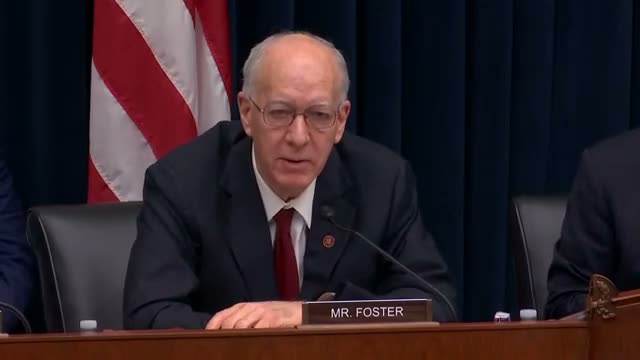
Ranking Member Dr. Foster framed the risk directly: agentic AI could enable runs at "the speed of AI rather than the speed of Internet gossip," shifting the time horizon for supervisory tools. Professor Simon Johnson told lawmakers that while exact impacts are uncertain, "AI can make decisions much faster than humans can... once they spot a weakness ... it'll be seconds, not minutes, before the deposits run out the door." He said that concentration around a few large models and common algorithms could create correlated behavior across many market participants.
Witnesses and members agreed on two practical implications: first, capital is a buffer against insolvency but does not substitute for liquidity tools and deposit insurance; second, regulators need forward‑looking analysis. Margaret Tire and Andrew Ullman urged that capital policy be part of an integrated toolkit including supervision, resolution planning, liquidity regulation, and deposit insurance.
Members pressed for regulatory study and better coordination across agencies (FDIC, Federal Reserve, OCC, FSOC). Professor Johnson and ranking members called for regulators to provide detailed cost‑benefit analysis and scenario work on agentic AI effects before moving to reduce capital or leverage constraints for large banks.
Next steps signaled by members included seeking regulator responses in writing and continued oversight of stress testing and leverage rule changes.