
Appeals court hears challenge to permanent custody order after mother’s travel and return
Get AI-powered insights, summaries, and transcripts
Subscribe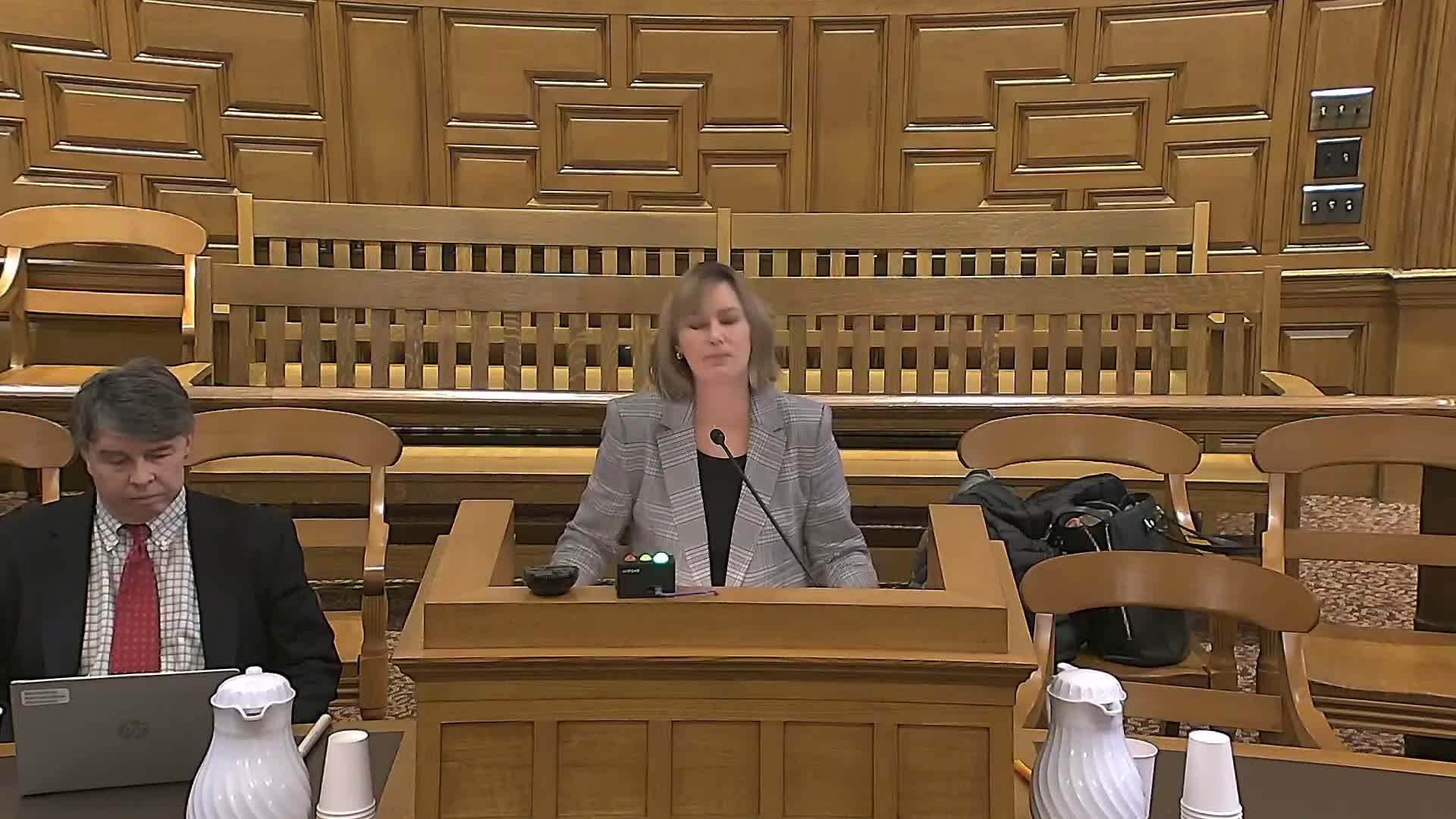
Summary
In oral arguments on docket 25P0623, appellant counsel argued the trial court relied on past conduct rather than the mother’s fitness at the October 1, 2024 trial; the Department of Children and Families urged affirmance, citing repeated abandonment and safety concerns.
An appellate panel heard oral argument in docket 25P0623 over whether the trial court had clear and convincing evidence that a mother was currently unfit at the October 1, 2024 trial, a finding that led to permanent custody for the Department of Children and Families (DCF). Appellate counsel Tamika O'Brien told the panel: "The answer is no," arguing the judge focused on past conduct rather than the mother's fitness at trial.
O'Brien, representing the appellant mother, told the court she did not challenge the trial judge's factual findings but said those findings described past behavior and did not establish current unfitness. She said the mother returned from Nigeria in August 2024, began services in September, and that the trial in October gave only a short window for evaluation. O'Brien argued that less intrusive alternatives and a review or redetermination proceeding could have been used instead of immediately awarding permanent custody.
Child counsel Myrna Diaz described the child as 16, enrolled in a GED program and in a youth skills program, and said the child was residing with her mother at the grandmother’s home and wanted to remain there. Diaz acknowledged she had spoken with the child but had not personally seen the child living at the grandmother's house; the record and trial testimony, she said, raised credibility questions about some placements and past behavior.
William Cuttle, representing DCF, asked the court to affirm the trial court’s decision. He summarized the trial findings that, according to the department, included episodes beginning in 2021, long absences by the mother, a period of about a year and seven months when the mother was away, and the mother's failure to cooperate with the department. Cuttle said the record showed the child had been placed in foster homes and repeatedly ran from those placements, and that the department "abandoned her daughter for a year and 7 months" (counsel's phrasing summarizing the department's account of the record). He argued the trial court considered current evidence but reasonably concluded permanent custody was warranted given the history and risks to the child.
Judges on the panel questioned counsel about therapy, whether the mother had complied with an action plan, the precise timeline of returns, and the practical mechanics of review and redetermination. Appellate counsel emphasized that awarding permanent custody under "section 26" removes parental decision-making rights and is among the most significant intrusions by the Commonwealth, and she urged the court to view the short post-return period before trial as insufficient to justify permanent custody.
The panel submitted the case for decision at the close of argument. The judges characterized the matter as difficult and sad and took the case under advisement; no ruling was announced at argument.