State-led 'The Point' redevelopment moves from demolition to 2026 construction plans
December 08, 2025 | Draper City News, Draper , Utah County, Utah
This article was created by AI summarizing key points discussed. AI makes mistakes, so for full details and context, please refer to the video of the full meeting. Please report any errors so we can fix them. Report an error »
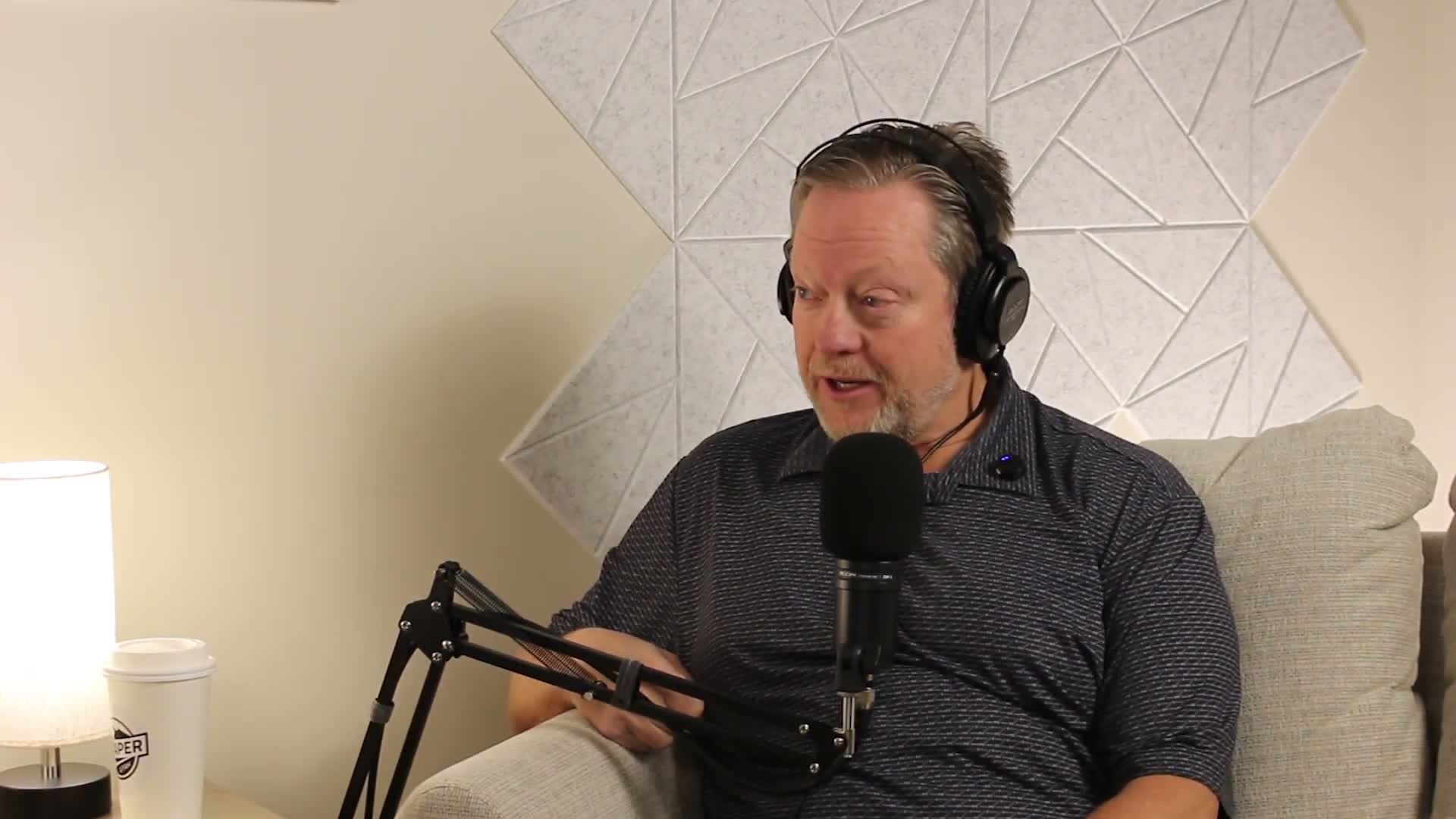
"When I say the point, I mean The Point Of The Mountain or the former Utah State Prison site," Mayor Walker said, framing a conversation that covered infrastructure, financing and housing. Ambrey said he has worked on the project for roughly three years and was hired to manage engineering for the utilities now being installed.
The authority and its partners have organized Phase 1 as roughly 100 acres of initial development. Ambrey said utilities that serve the old prison were discarded and the site is being planned from scratch: "This development's very unique in this in the manner that it's complete brownfield and has 0 utilities," he said. The authority is building a central "promenade" — a downtown‑style core — first so multiple buildings can open together.
Ambrey described the first vertical project as a 363‑unit mixed‑use building with about 45,000 square feet of ground‑floor retail, adjacent office and residential buildings and a screened parking structure. At the east end of the promenade the plan includes a 5,000‑seat indoor entertainment venue.
Financing for certain infrastructure and the entertainment venue uses multiple tools. Mayor Walker said the venue "has been funded by a PID, a public infrastructure district" and clarified this was financed by private investors who bought bonds. He and Ambrey also said the state provided a seed loan of about $168,000,000 for backbone infrastructure. Ambrey said ground leases and other revenues are expected to repay that loan.
To raise capital and add for‑sale housing supply, Ambrey and Walker said roughly 50 acres are planned to be sold for single‑family homes and townhomes. Ambrey framed the sale as a response to housing shortages and as a way to generate capital to finish remaining infrastructure, while noting the authority has not finalized the exact affordability or subsidy approach.
Public amenities and connections are part of the Phase 1 plan. Ambrey noted a two‑acre "Central Green," a "River to Range" linear park that will connect to Draper and the Jordan River Trail, and a planned flyover to I‑15. Transit connections will include a new FrontRunner station serving the site and an internal light‑rail origin that would enable travel into Utah County; the authority is also planning a dedicated circulator to move people around the site.
Ambrey emphasized the scale of the infrastructure work: pipes, tank capacity and stormwater systems are being built as a full‑site "backbone" rather than incrementally for only the first 100 acres. He said utility installation is expected to finish next fall, and that developer partners anticipate vertical construction of several buildings beginning in 2026.
Both speakers acknowledged questions that commonly arise with a project of this size: traffic, long time horizon and the mix of uses. Mayor Walker said Draper City will ultimately manage day‑to‑day city infrastructure (roads, parks, stormwater and drinking water) within the development and that careful negotiation shaped those responsibilities. On traffic, Walker said planned multimodal connections will help accommodate increased trips but conceded vehicles will remain part of daily life.
Mayor Walker closed by saying the project will take many years to build out but expressed optimism that Phase 1 will show visible progress in 2026. "You, in the next 5 years, I think everybody is going to be pleasantly surprised," Ambrey said.
The Point remains a long‑range, state‑owned, master‑planned redevelopment; many details—such as the exact number of acres immediately buildable within Phase 1 and precise affordability mechanisms for the for‑sale parcels—were discussed as planning concepts and remain to be finalized.
Don't Miss a Word: See the Full Meeting!
Go beyond summaries. Unlock every video, transcript, and key insight with a Founder Membership.
30-day money-back guarantee
Sponsors
Proudly supported by sponsors who keep Utah articles free in 2025

Excel Chiropractic

