Victor CSD presents multi‑age program review with four core recommendations
Summary
After a year‑and‑a‑half review, staff recommended improving communication and collaboration, integrating standards into skills‑based projects, ensuring equitable access, and creating a leadership structure so multi‑age programming can scale across buildings.
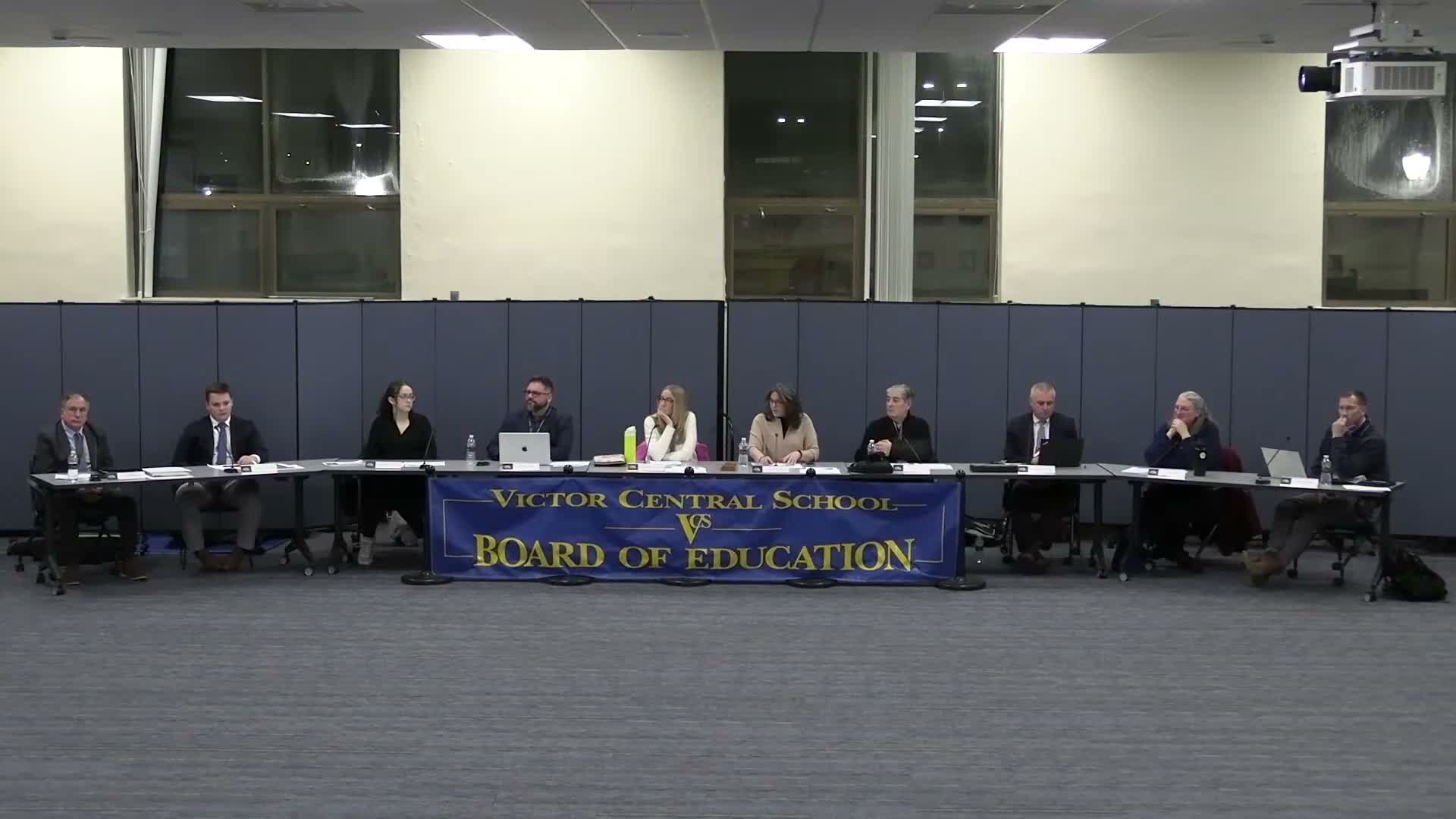
District instructional leaders presented findings and recommendations from a multi‑age program review that examined 30 years of local history and best practices.
Karen Finter, assistant superintendent for instruction, said the review convened diverse stakeholders, analyzed research and survey data and produced recommendations with action steps. The four core recommendations are: 1) strengthen collaboration and communication so multi‑age is better known (not a "hidden gem"); 2) integrate content and skills‑based instruction with curriculum development support; 3) expand equitable, inclusive access and address scheduling barriers; and 4) create a leadership structure that endures across staffing changes and connects the two buildings that serve multi‑age grade spans.
Multi‑age teachers described classroom practice: groupings based on ability rather than age, K‑3 buddy systems, small‑group instruction, and strong social‑emotional learning components. Teachers acknowledged the work can be an "extra lift" for new staff and noted paraprofessional support is provided similar to other classrooms.
Board members asked about staffing and supports; presenters said paraprofessional support mirrors other classrooms (typically an aide for about 40 minutes) and that many action steps are already in progress. The board received the recommendations and engaged in clarifying questions about implementation and communications to families.
Next steps: staff will follow the action steps in the review, circulate details to the board, and provide materials that explain entrance criteria and leadership roles for multi‑age programming.