
SJC hears appeal over attorney‑fee cut after anti‑SLAPP win in Hidalgo case
Get AI-powered insights, summaries, and transcripts
Subscribe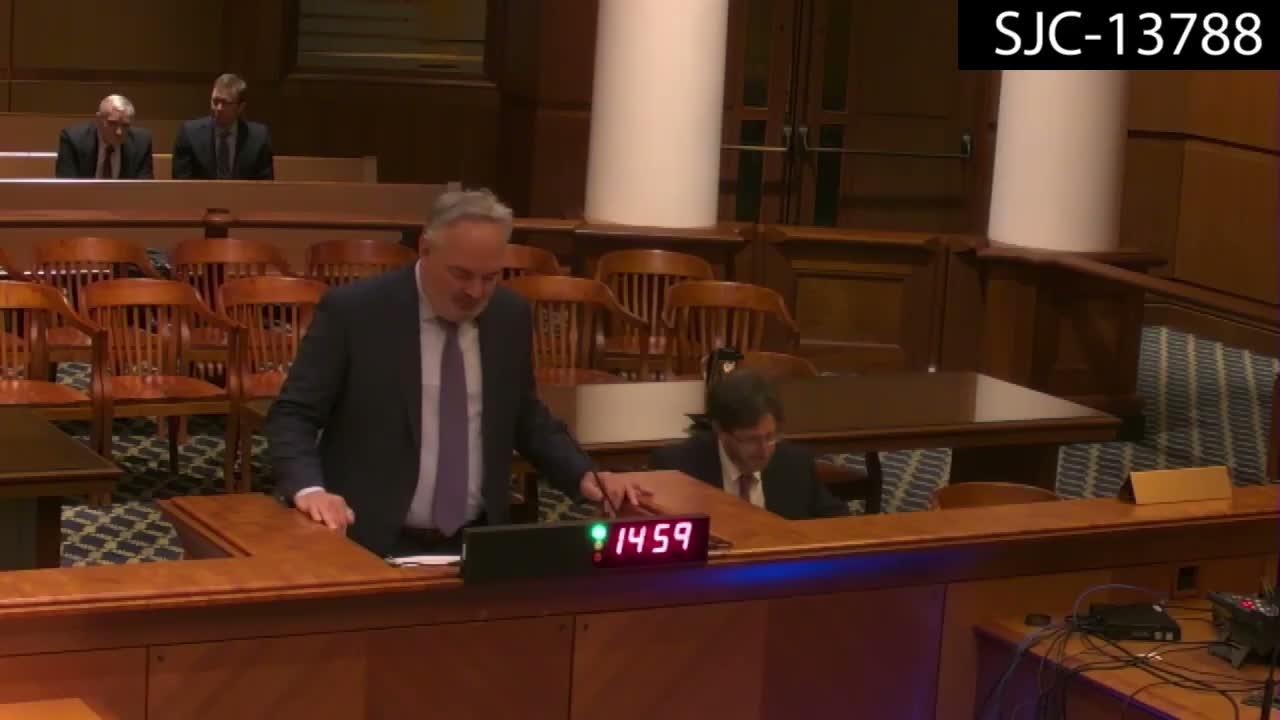
Summary
The Massachusetts Supreme Judicial Court heard arguments in an appeal by Andres Hidalgo challenging an appeals‑court decision that reduced his attorneys’ fees after he prevailed on anti‑SLAPP counterclaims; lawyers disputed whether the appeals court improperly factored the small Wage Act claim value into a fee reduction and whether lodestar calculations should control on appeal.
BOSTON — The Supreme Judicial Court on Monday heard an appeal by Andres Hidalgo challenging an appeals‑court reduction of attorneys’ fees he sought after prevailing on anti‑SLAPP counterclaims in a dispute with Watch City Construction.
Hidalgo’s lead appellate counsel, David Bellfort, told the court the appeals panel erred by reducing his fee award by about 50% after emphasizing the underlying Wage Act claim’s small dollar value instead of the harm posed by the SLAPP counterclaims. "After they found our fees reasonable, they then slashed our rate by 50%," Bellfort said, arguing that the appeals court improperly anchored reasonableness to the $3,500 Wage Act figure rather than the costs and chilling effects of defending the counterclaims.
The center of the dispute is the correct framework for measuring "reasonable" fees on appeal. Bellfort said his team relied on the lodestar method — hours worked multiplied by a reasonable hourly rate — and only provided a valuation of the counterclaims during a motion for reconsideration after the appeals court signaled it would consider proportionality. He told the justices the team later estimated roughly $220,000 in total counterclaim‑related value, including about $75,000 to defend the SLAPP counterclaims.
Opposing counsel Elliot Lowe, representing the appellant Maynor Zepeda and arguing that Watch City Construction is a trade name rather than a corporation, urged the court not to adopt lodestar as the exclusive metric for anti‑SLAPP fee awards. Lowe said courts may consider multiple categories when assessing reasonableness and warned that a rigid lodestar‑only approach could leave courts unable to account for other equitable considerations.
The justices probed both sides on whether proportionality is relevant to a fee request limited to appellate work. One justice noted the record and the briefing showed a successful anti‑SLAPP appeal seeking roughly $67,000 in appellate fees and asked whether that amount had been shown to be excessive in the specific context of appellate tasks.
Both counsels also debated policy stakes. Bellfort said tying fee awards to a small underlying wage claim risks chilling meritorious claims by low‑wage plaintiffs who must attract capable counsel: "If you've got somebody who's a laborer . . . you cannot fairly root [a fee reduction] in the wage act claim," he said. Lowe countered that reasonableness is statutory and that courts have discretion to consider multiple factors, particularly where counterclaims included malicious prosecution and abuse of process.
No decision was announced from the bench. The arguments focused on whether the appeals court abused its discretion by factoring the Wage Act claim value into a proportionality adjustment and on whether remand would be required to permit additional fact‑finding about fee reasonableness.
The case returns to the court for deliberation; if the justices issue an opinion, it could clarify how appellate fee awards are calculated in anti‑SLAPP cases and whether proportionality tied to the underlying claim's value may be considered on appeal.