
Environmental groups and residents press FSEC for fuller review, call hearing premature
Get AI-powered insights, summaries, and transcripts
Subscribe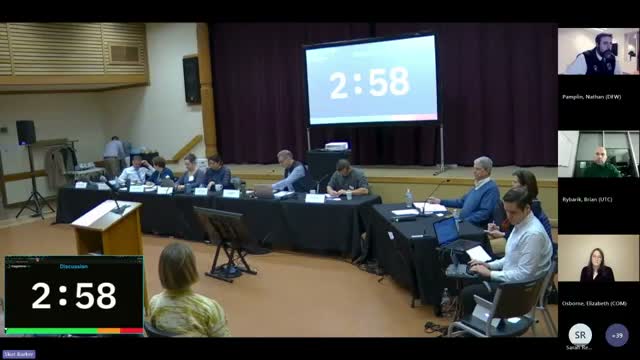
Summary
At an FSEC informational and land‑use hearing on the Cascade Renewable Transmission Project, environmental groups, tribal representatives and residents urged a full environmental impact statement, said the publicly posted application is a draft and argued the hearing was premature or inadequately noticed.
Speakers from Columbia Riverkeeper, Friends of the Columbia Gorge, the Columbia River Intertribal Fish Commission and local residents used FSEC’s public informational meeting to press two core concerns: that the application materials are incomplete or explicitly labeled "draft," and that the project’s shoreline and nearshore routing requires fuller environmental analysis (including a possible EIS).
"This is a draft application that is not ready for prime time," said Nathan Baker, senior staff attorney with Friends of Columbia Gorge, and told the council he believes FSEC should not have scheduled hearings on draft materials. Columbia Riverkeeper repeated that the application lacks required WAC‑level detail on fish and wildlife habitat, project alternatives and shoreline impacts and urged FSEC to deem the application incomplete or keep the record open for additional comment.
Why it matters: several speakers said procedural questions affect stakeholders' due‑process rights. Counsel for environmental groups cited statutory language (RCW 80.50.090) and FSEC rules (WAC 463.2609) and argued local consistency certificates, if offered, must be in the record at the hearing to permit public response. Speakers also flagged notice problems: the hearing notice and online portal initially gave a narrow written‑comment window that some participants said was effectively concurrent with the meeting, and local residents said the meeting was not sufficiently publicized in local outlets.
Tribal and resource concerns: representatives from the Columbia River Intertribal Fish Commission reminded the council that segments of the Columbia within Skamania County lie in treaty‑reserved fishing Zone 6 and that there are multiple in‑lieu treaty fishing access sites. Columbia Riverkeeper also raised a point the organization described as potential misrepresentation: it asked the record to clarify whether the project meets the tribal commission’s energy vision after a CRITFC staffer reportedly disputed that claim.
What commenters requested: a number of groups asked FSEC to (1) find the application incomplete under its regulations and suspend substantive review until necessary data and analyses are supplied; (2) keep the written‑comment record open longer than the portal window; and (3) ensure local municipal appointees are present for land‑use hearings as required by statute. FSEC staff and applicant representatives said they are coordinating with agencies and municipalities and that additional studies and consultations are ongoing.
The hearing record will remain the mechanism through which FSEC documents these disputes; several public commenters said they intend to submit more detailed written comments and legal briefs as the process continues.