
Veterans and peers describe how connection, meditation and local programs helped prevent suicide
Get AI-powered insights, summaries, and transcripts
Subscribe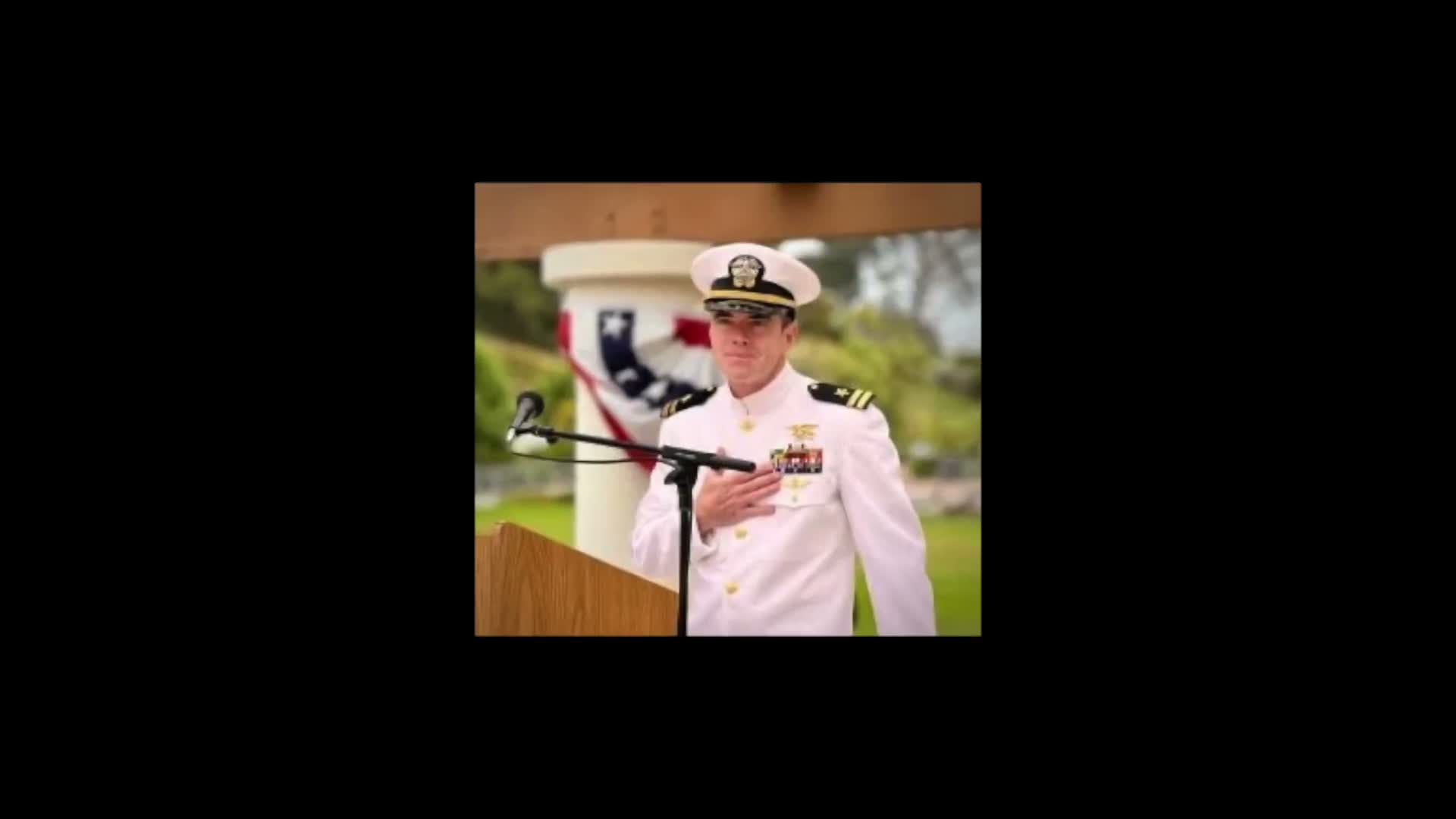
Summary
Veterans at the forum described difficult transitions and PTSD, credited peer outreach and programs like Transcendental Meditation and local VFW groups with life-saving support, and urged community outreach to struggling service members.
Veterans and peer-support workers at the forum described how connection, community programs and practices such as Transcendental Meditation (TM) helped them recover from suicidal crisis and supported others.
"I spent 24 years in the Navy... when I transitioned out, I probably had the most difficult time," Speaker 10 said, describing loss of identity after service and acknowledging suicidal thoughts. He credited another person who "reached out and grabbed my hand" with reversing that trajectory. Speaker 10 also described connection to local programs at the Restore Hope VFW and said meditation has been life-saving for some participants.
Speaker 9, who described returning from deployment to Afghanistan, said he later recognized those struggles as PTSD and used TM both personally and to teach veterans because it "worked pretty quickly" to improve sleep and mood. Both speakers emphasized the ripple effect on families: "It's not just about the warriors... it's the spouse and the children that are involved just as much," Speaker 9 said.
The veterans' accounts linked peer recognition and community programs to help-seeking and recovery, and speakers recommended early outreach and practical questions from friends and family. "Ask them the hard questions. Hey, man. Do you have a gun in the house? I'm worried about you," Speaker 10 said, urging direct, caring intervention.
Forum presenters and participants said programs that combine peer outreach, training and accessible practices can play an important role alongside clinical services in preventing deaths.