
ERB questions scale, water and zoning for proposed 55,000‑sq‑ft Club On Taraga event venue
Get AI-powered insights, summaries, and transcripts
Subscribe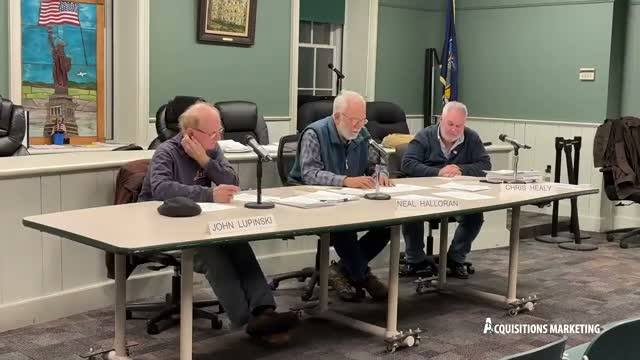
Summary
Board members told planners a proposed expansion of the Club On Taraga site to roughly 55,000 sq ft and 31 guest rooms raises zoning, water, traffic, noise and precedent concerns; ERB asked planning for independent traffic and water studies before endorsement.
Speaker 1 described a proposal to expand an existing building listed at about 10,830 square feet to a much larger event venue — board discussion referenced plan pages showing an eventual footprint of roughly 55,000 square feet and 31 guest rooms. Board members said that while reusing an existing building is desirable, the proposed scale vastly exceeds the RU‑zone permitted business floor area (commonly cited by members as 5,000 square feet) and raised precedent and enforcement questions.
"They definitely wanna have 31 guest rooms," Speaker 1 said while laying out the applicant’s intent. Speaker 2 and others responded that rooms "to let" would not be permissible in the RU zone without a use variance and that treating lodging as an accessory use to an event venue would be difficult to enforce. Speaker 2 summarized the zoning tension: "Rooms to let would not be permissible in this zone."
ERB members also flagged environmental and infrastructure impacts. The board asked for independent traffic documentation and water‑supply analysis, citing the applicant’s EAF assertions that traffic impacts would be minimal. Speaker 2 asked for objective documentation rather than reliance on applicant‑provided studies: "If you're gonna make that statement, you have to document it." Concerns included noise and light at neighboring residences, parking sufficiency for 300–460 seats, and erosion and sediment control during construction.
The ERB directed that planning should evaluate whether the proposed lodging is accessory to agriculture (Section 97‑18(c) was cited) and asked planning to require independent traffic and water studies to substantiate the applicant’s claims before the ERB would sign off on environmental findings.
No formal ERB vote was recorded; the board emphasized the planning board must reach conclusions about permitted uses and the town board would ultimately adjudicate any use variances or zoning changes.