
Williamston board asks for more information on ‘Invest in Michigan Kids’ ballot push; stops short of formal endorsement
Get AI-powered insights, summaries, and transcripts
Subscribe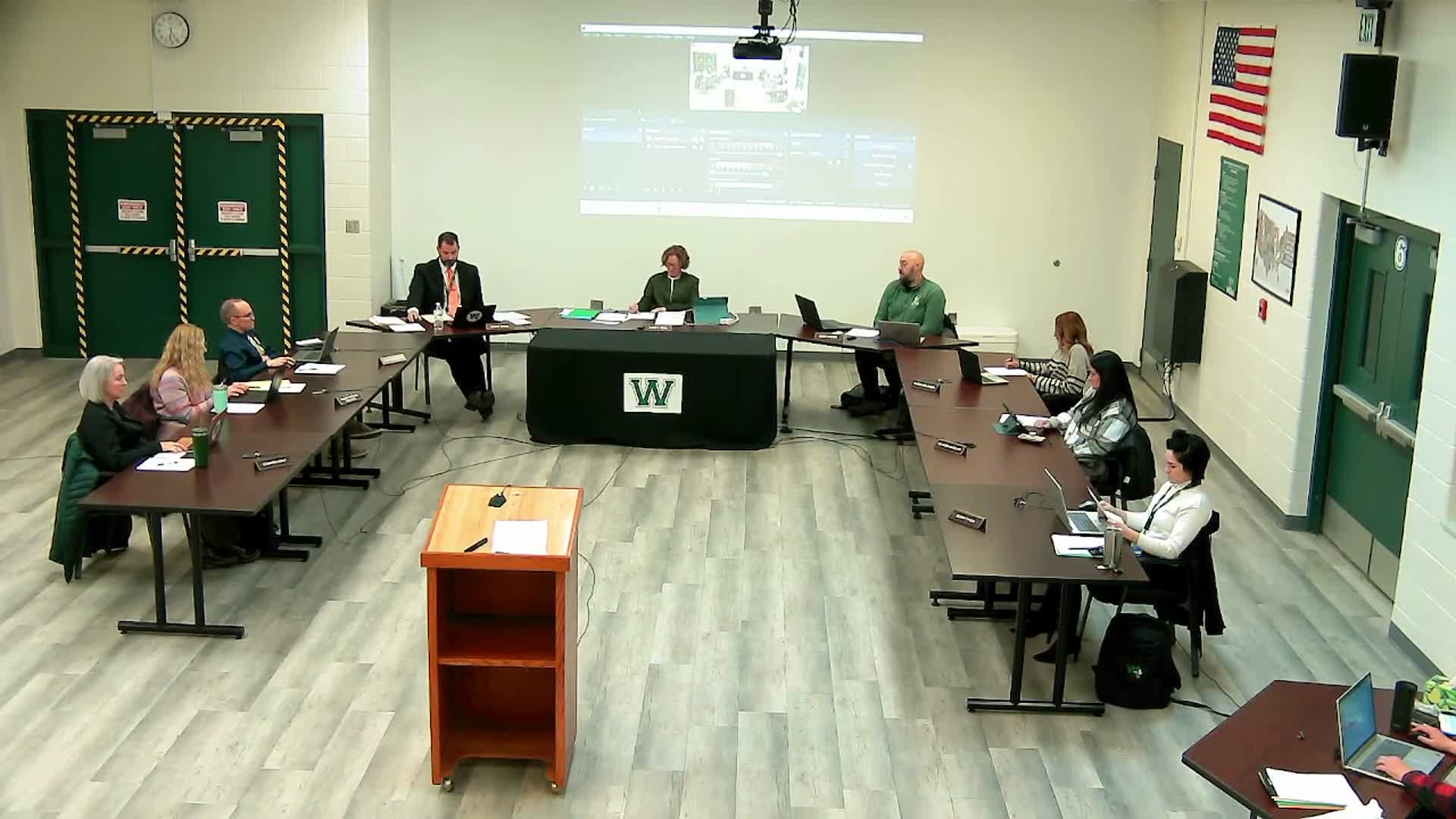
Summary
Board members debated whether to signal support for a statewide ballot initiative that would add a roughly 0.8% surtax on very high earners to raise funds “for Michigan schools,” and asked staff to gather more information on distribution, legal guarantees, and political implications before any resolution or signatures are offered.
The Williamston Community Schools Board of Education spent a major portion of its meeting discussing the Invest in Michigan Kids initiative, a campaign seeking a constitutional amendment for the November 2026 ballot to raise school funding through a surtax on very-high-income taxpayers.
A board member who introduced the item said the proposed change would impose an additional tax on individuals earning more than $500,000 and couples earning more than $1,000,000, describing the surcharge as "not quite 1%" and noting organizers' projection that the measure could raise about $1 billion for the state school aid fund. The introducer said she supports the concept of getting extra money to schools but worried the ballot text did not guarantee whether the revenue would be supplemental or would replace existing state aid.
Multiple board members pressed for clarity on two central questions: whether the money would be distributed as an add-on to current aid (rather than supplanting existing state funding), and which entities would be eligible for the funds. One board member noted that the initiative text appears to establish "a state school aid fund which shall be used exclusively for aid to school districts, higher education, and school employees' retirement system as provided by law," and said the wording did not limit dollars to K–12 public school districts.
Other concerns included the political optics of a ballot initiative ("I think some board presidents said it's way too political for us"), the signature-gathering threshold organizers described (the board was told 700,000 signatures are needed and organizers are seeking 900,000 to allow for invalidated signatures), and whether the measure's revenue estimate reflects tax-avoidance strategies that high-income filers might use. One member said she heard from a tax accountant who called the idea "a great idea" but also noted similar initiatives elsewhere collected less than producers predicted.
No board member moved for an immediate formal endorsement during the meeting. Instead members agreed to gather more information: some volunteered to research the campaign and its language, and the chair offered to connect interested trustees with the campaign volunteer who contacted the district. The board did not take any formal vote on this item and asked staff and interested trustees to return with additional guidance and documentation before placing a resolution on a future agenda.
The board's deliberation did not produce new commitments of staff time beyond fact-finding or an agreement to circulate petition signature pages; one member said she would be willing to assist with signature collection but not by standing outside events in cold weather. The board asked for confirmation of whether charter or private schools and higher education would be eligible recipients and whether the plan would protect existing foundation allowances or otherwise be distributed on a per-pupil basis.
Next steps: the board requested more detailed language and financial estimates from the campaign and agreed members would bring specific questions back to a future meeting before considering a resolution or formal participation.