
State Board reviews campaign-finance penalty appeals; forgives some first-offense technical errors, defers or sustains others
Get AI-powered insights, summaries, and transcripts
Subscribe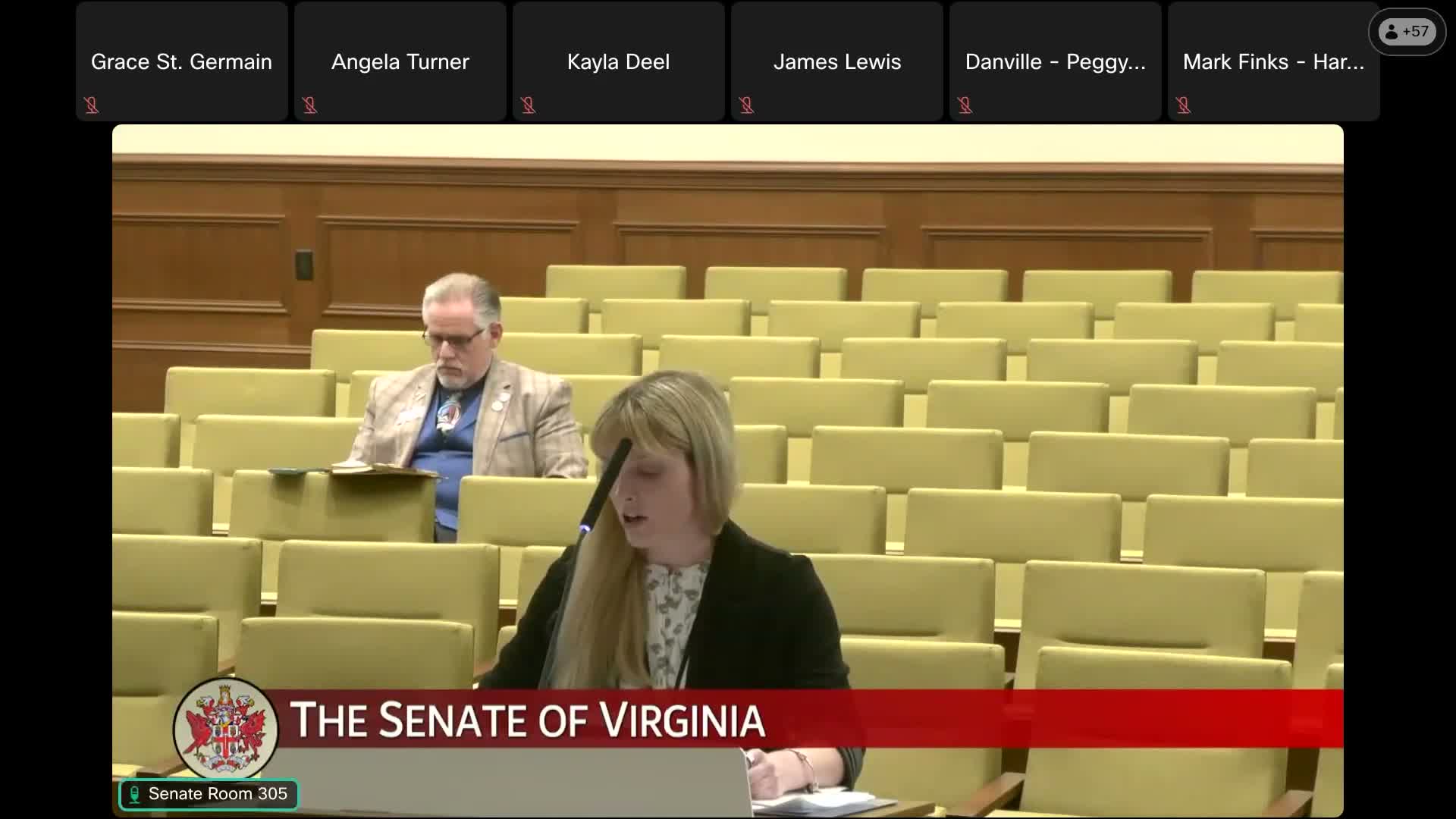
Summary
At a lengthy appeals docket Dec. 1, the board heard state- and locally-assessed campaign-finance penalty appeals, forgiving several $100 technical penalties where petitioners showed intent to file, deferring other cases pending documentation, and sustaining penalties where statutory filing requirements applied.
The Virginia State Board of Elections spent most of its Dec. 1 meeting hearing a docket of campaign-finance penalty appeals brought by candidates, treasurers and political committees.
Elections staff opened the hearing, explained procedures and noted suggested motions were included in the board's working papers. The docket included both state-assessed and locally-assessed penalties; typical bases for appeal were (1) claimed technical or bank errors that prevented timely filing and (2) misinterpretation of which statutory report was required.
Examples of board action from the hearing:
- Kathleen Murphy (state-assessed): Staff reported three required reports were not filed for deadlines in mid-September to late October 2025 and that the campaign had prior unpaid penalties. The petitioner (treasurer William Settle) described repeated hospitalizations and caregiving that delayed filings and requested waiver or reduction. The board voted to defer action to the next meeting (Jan. 13, 2026) so required reports could be filed and verified before granting relief.
- Biko Agozino (state-assessed, $100): Petitioner said a submission attempt did not show as accepted, and a subsequent submission cleared later the same day. Staff noted precedent forgiving first-offense technical mishaps when intent to file is documented; the board voted to forgive the $100 penalty.
- Committee Go Red Virginia PAC (large-contribution report): Petitioner described a bank deposit error that delayed reporting. Board members asked for documentary validation (bank letter or statements). The board deferred a decision pending submission of supporting bank records and directed staff to verify the evidence before acting.
- Several other petitioners (including seat-holders who inadvertently checked "final report" instead of "no activity," or who cited incorrect statutory provisions) received mixed outcomes: partial relief (forgiveness of initial $100 fines) in cases where the record showed good-faith or first-time technical errors, dismissal of appeals where the appellant failed to appear, and sustainment of penalties where the code required filing.
Board members and registrars repeatedly flagged issues with the state's online filing portal (discussed in testimony as "Comet" or a comment system), including missed notifications and confusing interface elements; some members asked staff to provide more guidance and to consider whether additional registrar access would improve oversight.
Board actions were taken on the record with roll-call votes. For cases where the board conditioned relief on filing or documentation, members recorded motions to defer pending verification. The appeals session ended with the board calling the docket an "educational moment" about common filing issues and systemic pain points.
The meeting then went briefly into closed session to discuss pending or threatened litigation; after reconvening the board certified compliance with open-meeting law, completed signatures on certified election documents and adjourned.