
Friends of the Dunes spotlights coastal resiliency, trails and education at Humboldt Coastal Nature Center
Get AI-powered insights, summaries, and transcripts
Subscribe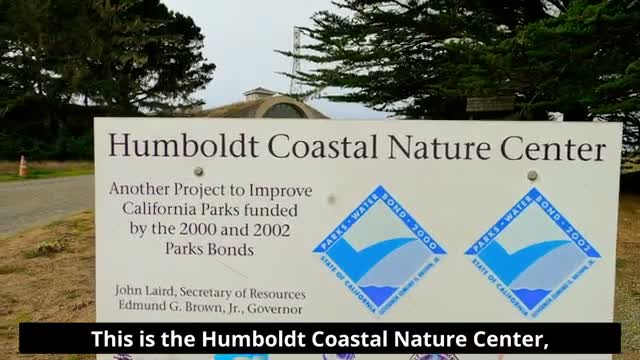
Summary
A Friends of the Dunes representative described the Humboldt Coastal Nature Center, the organization's stewardship work removing invasive plants to boost dune resiliency and public programs at the Stamps Family Dune House, which sits minutes from the beach.
A representative of Friends of the Dunes described the Humboldt Coastal Nature Center and the group's coastal stewardship efforts during a presentation at the center in Humboldt County. The speaker said the center is open to the public at least Wednesday through Saturday and offers education exhibits, community lectures and programs for children and adults.
"We're a local nonprofit organization here in Humboldt County," the presenter said, adding that Friends of the Dunes is an official 501(c)(3). The speaker described the building as the Stamps Family's "Dune House," purchased by the family in the 1980s and later sold to the nonprofit after which it was renovated into the present visitor center.
The presenter highlighted the Wild Berries Trail immediately behind the center, saying "it is about a 10 minute walk to the beach for most folks" and that the trail includes a self‑led pamphlet for younger visitors.
On stewardship, the speaker said Friends of the Dunes focuses on invasive‑species removal to support native plants and animals and to improve coastal resiliency. Citing recent work from the Humboldt Coastal Resiliency Project, the presenter said the group's removal of nonnative plantings is "actually increasing our dunes' natural ability to recover from storms and tsunamis, increasing the protection of human infrastructure." The speaker added that some species now considered invasive were originally planted to stabilize sand and protect infrastructure, but that native vegetation better enables dunes to shift inland and build protective sand sheets.
The presenter also described cultural and management context: the name "Malell" is a Wiyot term for a village site in the dunes and the northern section, identified as Millell Dunes North in the talk, is part of the Humboldt Bay National Wildlife Refuge. The speaker said the Fish and Wildlife Service and the Bureau of Land Management cooperatively manage the property, and that in 2021 part of the area was designated a national natural landmark.
Visitors were told that gates on the refuge are closed about half the week to give plants, animals and visitors a more "wilderness experience." The speaker closed with a personal description of the dunes' wide open sand sheets and urged visitors to explore the center's programs and trails.
The Humboldt Coastal Nature Center remains open at least Wednesday through Saturday; program schedules and staffing can affect hours.