
Robbinsdale board directs public hearing to close Fair Pilgrim Lane, repurpose Fair Crystal amid statutory operating debt
Get AI-powered insights, summaries, and transcripts
Subscribe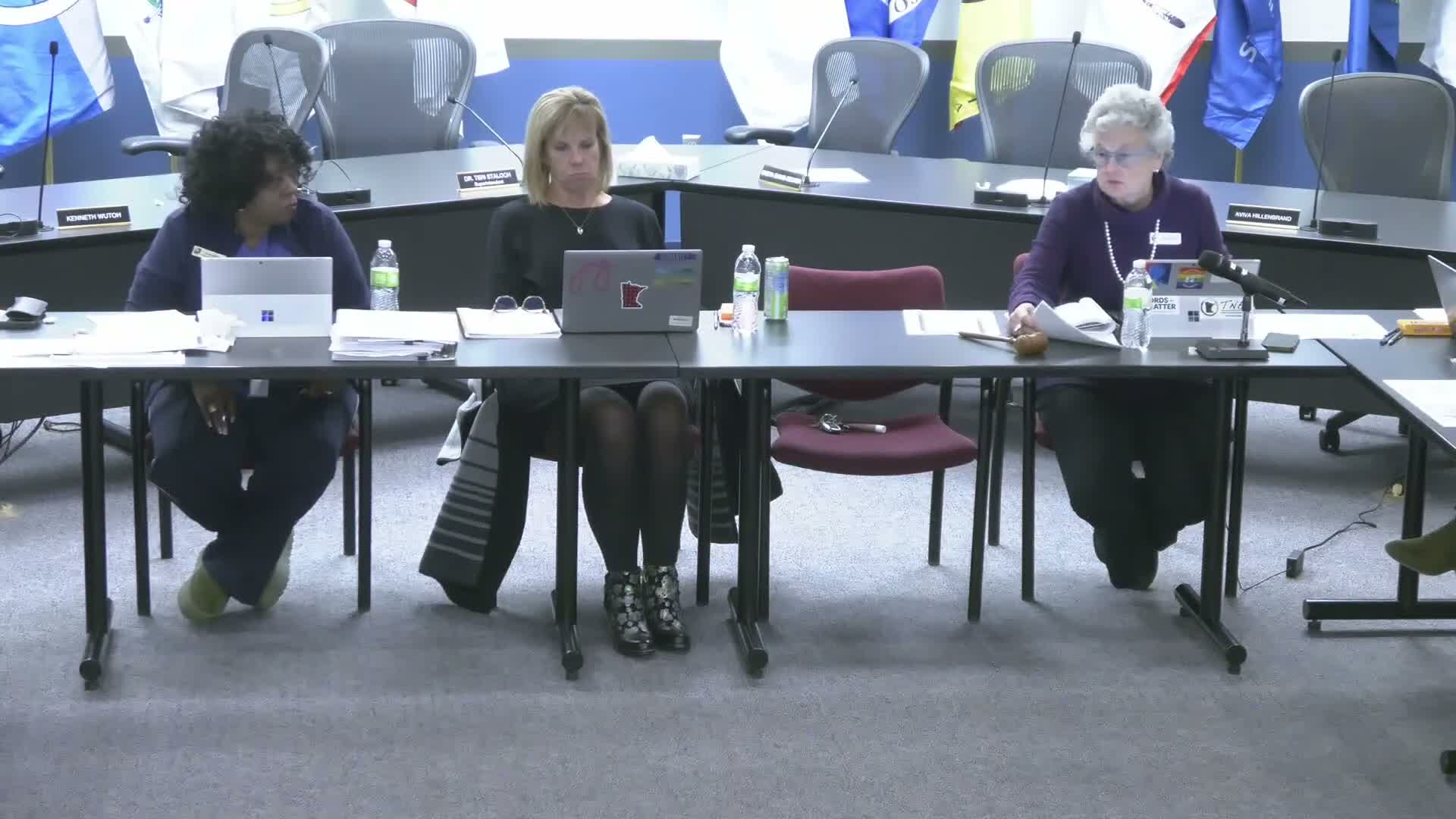
Summary
Facing a statutory operating debt deadline and projected budget shortfalls, the Robbinsdale Public School District board voted to publish a notice and hold a public hearing on a plan to close Fair Pilgrim Lane and repurpose Fair Crystal as an elementary school. The move is part of broader site consolidation and budget reduction options the district says are needed to meet state recovery requirements.
The Robbinsdale Public School District board voted on Dec. 1 to publish and pursue a public hearing on a plan to close Fair Pilgrim Lane and repurpose Fair Crystal as an elementary school, a step administrators say is needed as part of a broader plan to address the district's statutory operating debt.
Superintendent Scott told the board that the district must deliver a board‑approved statutory operating debt (SOD) recovery plan to the Minnesota Department of Education on a tight winter schedule. "We do not have flexibility with those deadlines," he said, laying out the January submission dates and the consequence that the state could increase oversight if the district does not make adequate progress.
Chief Financial Officer Kristen Hoheisel explained the SOD threshold the board is working against: a deficit exceeding 2.5% of annual operating expenses. "For us... anything where if we were a deficit of $4,300,000 or greater, we would be in SOD," she said, and added that the district is carrying an approximately $11,000,000 unassigned deficit coming out of 2024‑25. Administrators and the board discussed prior budget cuts of about $16,000,000 and concluded additional structural reductions are still required.
After extended discussion about building size, program placement and student displacement, Chair Adams Becker moved a resolution to close Fair Pilgrim Lane and repurpose Fair Crystal, sending Fair Crystal middle‑school students to Sandburg and Plymouth middle schools by boundary for the next school year. The motion passed on a voice vote directing staff to publish the closure for a formal public hearing and follow the legal posting process before a final vote.
Board members said the December 15 hearing will follow formal parameters: a Google sign‑up will open the morning after the meeting, on‑site registration will be available until 6:30 p.m., each speaker will receive three minutes, and the board will receive testimony before taking a final action in January. Administration said additional facilities may be added to the closure list only after the board follows the same posted hearing timeline.
The next steps: the board will publish notices and hold the public hearing; the board may approve final resolutions on closure after that hearing. Administrators emphasized the decision is one of several interlocking actions intended to produce a Department of Education‑acceptable recovery plan.