
Carol Denny on her new album and West Virginia’s fragile health care, teachers’ strike
Get AI-powered insights, summaries, and transcripts
Subscribe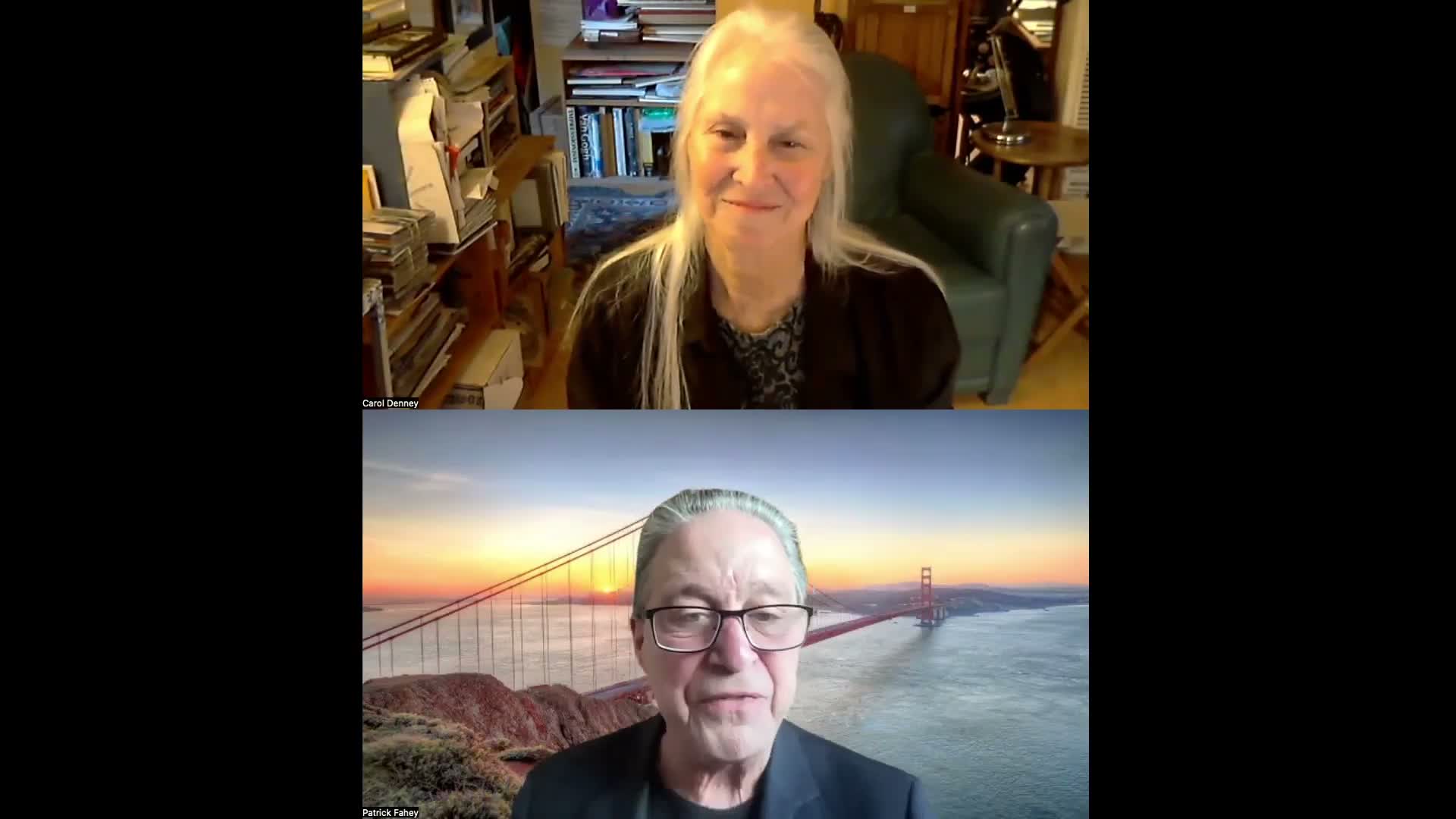
Summary
Musician Carol Denny discussed her new album 'Pregnant and in Jail' and described fragile rural health care in West Virginia, the statewide '55 Strong' teachers’ strike and grassroots responses that sustained communities, during a Megatrends interview with host Pat Fahey.
Pat Fahey interviewed singer-songwriter and activist Carol Denny about her new album and recent travels in West Virginia, where she said community-run clinics and local organizing have stepped in after regional hospital closures.
Denny, whose new record is titled Pregnant and in Jail, described touring and performing in small towns and credited local volunteers and independent clinics with keeping basic care available. "I do have family in West Virginia, and I never expected a bright red state ... to have any welcome for me, but, boy, did they," Denny said, describing long drives on dirt roads and clinics that operate intermittently to provide medications and follow‑up care.
She also highlighted the 55 Strong teacher strike, which she said encompassed all 55 counties in the state and deliberately included staff such as lunch workers and bus drivers in bargaining. "When they were offered their first offer, they said, are you including the lunch ladies and the bus drivers? And they made sure absolutely everybody was included in the agreement," Denny said, praising the strike's organization and community-run child-care efforts during the action.
Denny promoted a local Bay Area benefit performance at Strings (a converted laundromat) and gave logistical details for listeners: the show was scheduled to start at 8 p.m. at 6320 San Pablo Avenue and guests were asked to identify themselves as friends of Carol Denny to gain entry. She also listed collaborators on her album, thanking musicians and production contributors.
The interview ranged from musical anecdotes — including a story about a performance attendee who warned her a song might be dangerous in his country — to longtime publishing work (she mentioned the Pepper Spray Times), and concluded with an invitation to contact her via caroldenny.com for more information and to buy music.
Denny’s account in the interview emphasizes local, community-driven solutions to service gaps after hospital closures rather than new state or federal programs. Fahey framed the segment as an example of cultural workers documenting and responding to economic and health-care strain in rural America.