
Rapid Response Network outlines 24/7 hotline, legal aid and rising enforcement in Santa Clara County
Get AI-powered insights, summaries, and transcripts
Subscribe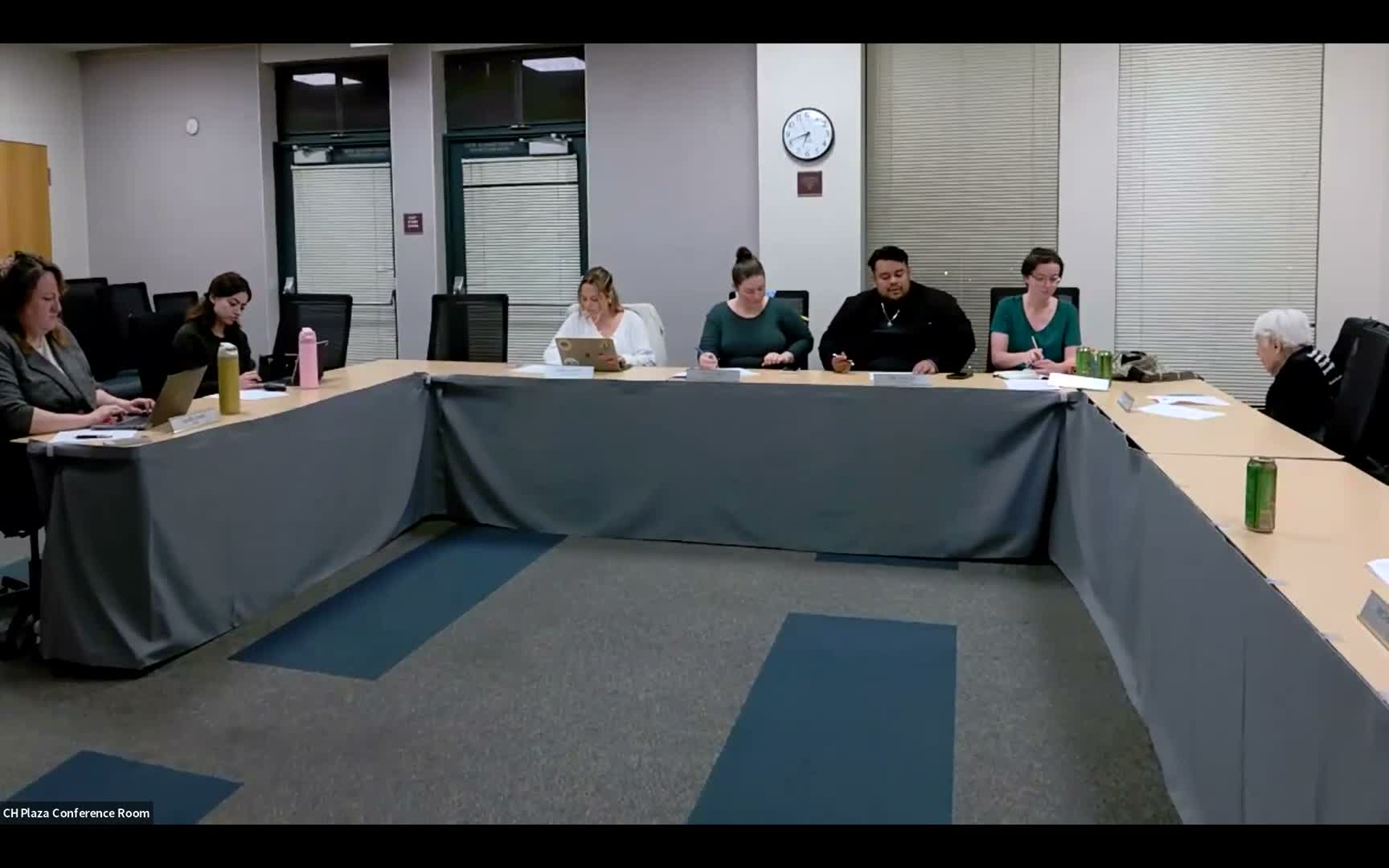
Summary
Mariana Harro of the Santa Clara County Rapid Response Network briefed Mountain ViewHuman Relations Committee on emergency services for residents facing immigration enforcement, including a 24/7 hotline, rapid responders, accompaniment, legal consultations within 48 hours of detention, business outreach and funding risks tied to county budget cuts.
Mariana Harro, manager of the Rapid Response Network in Santa Clara County, told the Mountain View Human Relations Committee on Dec. 4 that the network provides an emergency system of legal and community supports aimed at preventing immediate deportations and stabilizing affected families. The network is funded primarily by Santa Clara County and the City of San Jose and is governed by a coalition of nonprofit partners and a directly impacted steering group.
Harro said the network operates a 24/7 hotline that is the entry point for rapid responders, emergency legal consultations and family support. "Every single Santa Clara County resident will receive at a minimum a consultation from an attorney those first 48 hours that they were detained by immigration," she said, describing the networkgoal of quickly assessing bond or habeas remedies and, when possible, stopping expedited removals.
The network also trains volunteers to act as rapid responders, provides accompaniment to ICE check-ins and court appearances, offers emergency rental and financial assistance and connects families to county services. Harro said the network trained over 4,000 people as responders in 2025 and currently has about 1,600 registered responders, and operates 13 active patrol teams that monitor high-risk public sites and workplaces.
Harro warned that the network's records undercount total detentions because not everyone calls the hotline or some retain private counsel. She provided recent data on enforcement locations and populations: "25% of the arrests in the first three months were at [ICE] check-in offices," and "41% of the arrests occurred at the courthouse," and she said 56% of detained residents in the period cited were Colombian nationals.
Harro emphasized practical guidance for residents and businesses: the hotline is a call line, "Call, not text. We don't review text consistently," and businesses may lawfully close and refuse entry but should be conscious of the legal risk of "hot pursuit," when officers chasing a person may enter private spaces without a warrant. She also described tactics for distinguishing local undercover officers from federal agents (for example, local officers often display a star-shaped badge; federal agents typically carry a shield-style badge and may refuse to identify themselves).
Commissioners asked about warrants, business protections, family case management and regional coordination. Harro said most recent detentions in the county have been warrantless and described administrative processes by which supervisors sign arrest papers; she said the Rapid Response Network employs at least one full-time case manager who refers families to county supports including rental assistance and health clinics. The network is coordinating with other Bay Area counties and preparing outreach tied to major events in 2026.
Harro concluded by warning that the network depends on county funding and faces risk from budget cuts: "99% of the rapid response budget is the county of Santa Clara," she said, and urged local cities to consider modest contributions to sustain the 24/7 hotline and accompaniment services. The committee offered thanks for the presentation and asked staff to continue coordination as event planning and enforcement patterns evolve.
The presentation was informational; the committee took no formal action on the item and moved on to other business.