
Beaverton school board subcommittee recommends $370,000–$420,000 total compensation range for next superintendent
Get AI-powered insights, summaries, and transcripts
Subscribe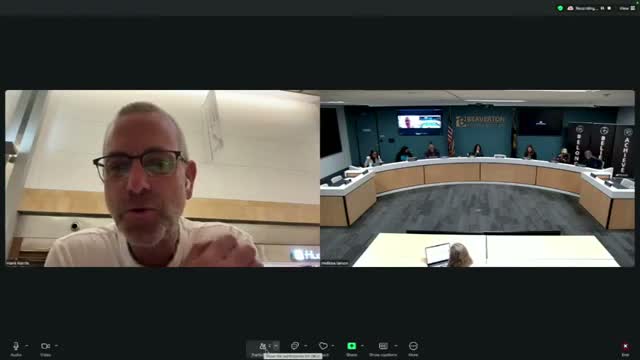
Summary
At a Dec. 9 work session, a subcommittee and Human Capital Enterprises proposed a total compensation range of about $370,000 to $420,000 for Beaverton’s next superintendent and discussed including relocation support and contract accountability measures before recruitment opens.
Beaverton, Ore. — The Beaverton SD 48J School Board on Dec. 9 discussed a subcommittee recommendation to set a total compensation range for its next superintendent at roughly $370,000 to $420,000, a guideline Human Capital Enterprises said will steer recruitment and contract talks.
Hank Harris of Human Capital Enterprises told the board that Oregon law requires salary discussions in open session and that the range would serve as “guardrails” for negotiators and a recruiting signal for candidates. “Per Oregon law, we must discuss salary in open session,” Harris said, emphasizing the discussion is intended to guide negotiators later in the hiring process.
Why it matters: Establishing a publicly stated compensation range helps the district attract candidates and gives the two board members who will negotiate an executed employment agreement room to structure salary, allowances and other pay elements within the board’s limits.
Harris described the salary study behind the recommendation, saying comparators included Portland Public and Salem‑Keizer and, at times, out‑of‑state districts in Vancouver, the Puget Sound and Denver suburbs. He said comparable districts’ total compensation packages typically fell in the mid‑to‑high‑$300,000s and low‑$400,000s, and that the subcommittee settled on a range to provide a roughly $50,000 spread.
Board members asked what the recommended figure included. Staff and consultants said “total comp” in the study includes salary and common compensation elements such as retirement/annuity and vehicle or similar allowances, while optional, situational items (for example, one‑time safety stipends or other discretionary allowances) were not rolled into the baseline. When asked whether bonuses were included, a consultant said: “It wouldn’t include bonuses. That would be a negotiated item in the contract with the new superintendent.”
Relocation: Several board members discussed relocation support for candidates who must move to take the job. Doctor Potter said she had not previously encountered relocation packages in many public‑education hires but understood it was a common industry practice for superintendent hires. Multiple members signaled they were comfortable including relocation assistance as an optional negotiated item.
Accountability and structure: Directors urged that any compensation be tied to clear expectations and milestones in the contract. Director Carlson said the board should be “intentional” and transparent about compensation and anchor pay decisions to accountability measures.
Next steps: The discussion was presented as guidance rather than a formal vote. Consultants asked board members for feedback and said negotiators will use the range when they enter contract talks; any final negotiated contract will return to the full board for approval.