
Consultants present Walton County Tourism 2026–2030 draft; commissioners ask for specific timelines and KPIs
Get AI-powered insights, summaries, and transcripts
Subscribe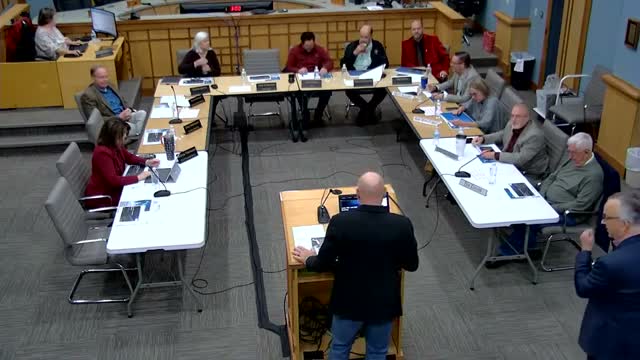
Summary
Hometown Tourism consultants outlined five priorities for Walton County’s 2026–2030 tourism strategy — event strategy, infrastructure/beaches, destination development, governance/engagement and sales/marketing — and proposed reserve‑balance targets; commissioners generally supported the direction and asked staff and consultants to return with timelines, KPIs and budget specifics within 90 days.
Consultants from Hometown Tourism presented a draft Walton County Tourism (WCT) strategic plan for 2026–2030 at a joint Walton County Board of County Commissioners and Tourist Development Council workshop, laying out five priority areas and asking the bodies to confirm top priorities before consultants develop implementation timelines, key performance indicators and proposed budgets.
"So we're here to present, our draft strategic plan for 26 to 30, for Walton County Tourism," consultant Scott Beck said, describing a process in which the consultants will spend the next 90 days working with county staff to add timelines, KPIs and budget details. The consultants said the five priorities were developed from resident sentiment surveys, a demand‑driver scorecard, SWOT analysis and stakeholder engagement.
The five priorities the consultants presented were: 1) diversify and balance the tourism economy through a refined event strategy aimed at off‑peak and family audiences; 2) strengthen infrastructure — especially beach access, parking and traffic mitigation — and explore coordinated public transit; 3) advance destination development and environmental resilience, including cultural venues and product development in North Walton; 4) improve governance and community engagement with more structured, ongoing coordination between the TDC and county stakeholders; and 5) refine sales and marketing through enhanced digital assets, segmentation and targeted email marketing.
Commissioners and TDC members welcomed the strategic framing but repeatedly asked for more specificity. One commissioner said the presentation had "great direction" but urged the consultants to tie strategies to fixed criteria for resource allocation and to produce a single, unified event strategy so the board can decide how to apportion funds. Commissioners representing North Walton pressed for tangible, lower‑cost pilots (for example a modest concert series or amphitheater renovations) rather than large, up‑front capital projects.
The consultants explicitly proposed a shift in emphasis from pure marketing toward product development and convening — working at the ground level to help community groups develop events and venues rather than simply promoting what already exists. "At some level, Matt and team own no product and manage no product. They're a reflection of what the community does," one consultant said, arguing for deeper community engagement to grow length of stay and repeat visitation.
On finance, consultants presented a snapshot of WCT reserves as of November 2024 and recommended targets and a process for moving some funds from "on the sidelines" into prioritized investments. The presentation listed total reserves at $151,000,000, encumbrances around $50,800,000 and a beach renourishment encumbrance of roughly $60,800,000, which left an available balance the consultants reported as about $40–41 million for consideration against the plan’s priorities. The consultants recommended an operational DMO reserve target near $15,000,000 (roughly 50% of the operating budget), a minimum $5,000,000 destination development balance and a $15,000,000 mobility/congestion reserve, and urged a committee or agenda item to review encumbrances.
Public commenters during the meeting’s public‑comment period reiterated the need for a formal reserve‑setting process and urged that any targets be derived from operational analysis rather than selected arbitrarily. Consultants said they would return in March with more detailed recommendations and a three‑month and one‑year check‑in process to assess progress.
Next steps: consultants will work with staff and committee chairs to return with a detailed plan (timelines, KPIs and budgets) and a proposed process for reviewing reserve encumbrances. The board also agreed to hold quarterly joint BCC–TDC workshops to oversee plan implementation and review progress.