Nevada commission creates Fuel Resiliency Committee, authorizes closed security briefings
Summary
The Nevada Commission on Homeland Security voted Dec. 9 to establish a Fuel Resiliency Committee to assess the state's dependence on out-of-state fuel supplies and recommend contingency measures; the commission also authorized the committee to hold closed security briefings.
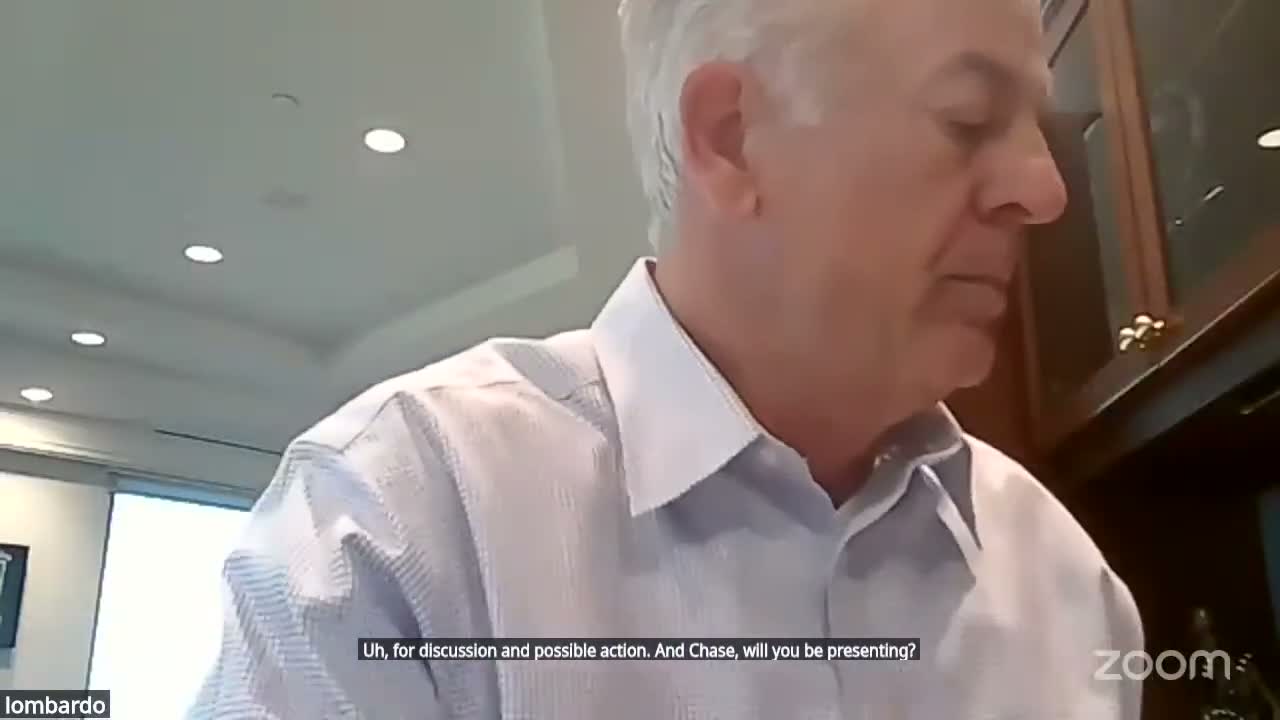
The Nevada Commission on Homeland Security on Dec. 9 voted to establish a statewide Fuel Resiliency Committee to analyze the state’s vulnerability to fuel supply disruptions and recommend steps such as storage expansion and infrastructure improvements. Governor Joe Lombardo moved the measure and the commission approved it by voice vote.
Chase McNamara, policy advisor to the governor on natural resources, told commissioners that Nevada has no in-state refining capacity and is heavily dependent on California refineries, citing a California Energy Commission figure that "88% of Nevada's fuel supply comes directly from California refineries." He identified the Calnev and UNEV pipelines as Nevada’s primary delivery routes and said both operate near capacity. McNamara warned that commercial storage typically represents only "a few to 5 days to 10 days of supply," leaving the state vulnerable to short disruptions that can cascade into operational challenges for police, fire, EMS, airports and utilities.
McNamara pointed to past incidents — a February 2023 California pipeline leak and wildfire-related outages that disrupted shipments — and to planned refinery closures he said could reduce regional refining capacity. "These events showed how quickly our system can be pushed to the brink of a single pipeline disruption," he said, arguing the committee would centralize data on refinery output, pipeline capacity and storage levels and coordinate state, industry and federal partners to build contingency plans.
Commissioners asked about committee membership and timelines. McNamara said the group would include industry representatives (pipelines, refineries, terminal holders), state agencies with pipeline and storage responsibilities, federal partners, airports, utilities, local governments and trucking associations; he said the committee would report to both the commission and the governor and that a schedule of deliverables would be set once the committee elected its chair and vice chair.
The commission also authorized the new committee to hold closed meetings "when receiving security briefings, discussing procedures for responding to acts of terrorism or related emergencies, or discussing deficiencies in fuel related public services, facilities, and infrastructure," citing the statutory authority referenced during the meeting. The chair recorded the motion as passed by voice vote.
The commission did not set a formal deadline for the committee’s report; McNamara said timelines and fiscal-impact assessments would be determined by the committee after it convenes. Next steps: the commission will formalize membership and the committee will meet to elect officers and establish a work plan.