
New Richmond council to put water fluoridation to voters in April
Get AI-powered insights, summaries, and transcripts
Subscribe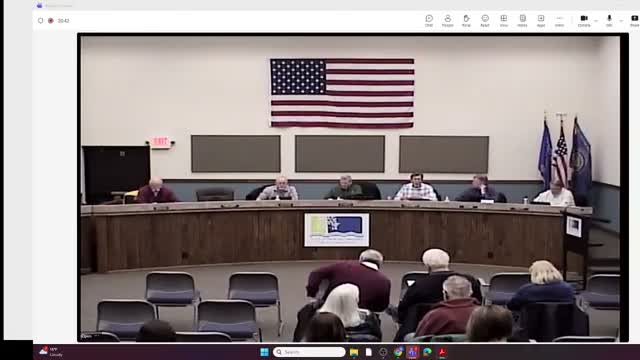
Summary
After extended council discussion and public comment, the New Richmond City Council voted to place a referendum on community water fluoridation on the April 7 ballot; the city will keep fluoride in the water until the election and council members agreed to draft neutral referendum language and provide education.
The New Richmond City Council voted to place a referendum on community water fluoridation on the April 7 ballot after the mayor recommended letting voters decide the issue. Mayor Zukowski framed the decision as one affecting "over 11,000 citizens" and said a referendum would allow four months for pro and con discussion before voters decide.
Council took a roll-call vote after debate. Alderman Kittle voted no; Aldermen Vries, Weinmeier, Gartner and Montello voted yes, and the motion passed. The council clarified that fluoride will remain in the municipal water supply until the April election unless an intervening council votes otherwise.
Public-health officials and medical professionals addressed the council during the public-comment period. Steve Massey, identifying himself as president of Westfield Hospital and Clinic and representing HealthPartners, urged the council to "maintain and strengthen community water fluoridation" and cited clinical and economic benefits, including fewer emergency dental visits and lower lifetime dental disease. "Community water fluoridation is one of the safest, most effective, and most equitable tools we have to prevent the suffering," Massey said.
Ellie Claassen, Saint Croix County public health administrator, offered county resources to help with public education. Genevieve Palzolo, a public strategist with Saint Croix County Public Health, told the council that New Richmond’s naturally occurring fluoride is insufficient to deliver oral-health benefits and noted the EPA regulates municipal fluoride checks; she said the recommended target is 0.7 mg/L. Dr. Bruce Hanson, a retired family physician, recounted clinical experience and local history supporting fluoridation and cited prior local cost estimates of about $2 per person per year.
Several residents urged clear, neutral wording for the ballot question and broad public outreach. A resident identified only as Brooks requested more visible city communications (separate mailings or an electronic sign) and emphasized that the referendum question should not be worded to lead voters. Council staff said draft wording will be developed at upcoming January meetings and that the council would welcome feedback from residents and local experts before finalizing the question.
Next steps: council staff will draft referendum language for council review at future meetings and public-health partners offered assistance with educational materials. The referendum is scheduled for April 7; fluoride will remain in New Richmond’s water until that date.