
Leavenworth residents and advocacy groups urge commission to deny CoreCivic permit as dozens speak at city meeting
Get AI-powered insights, summaries, and transcripts
Subscribe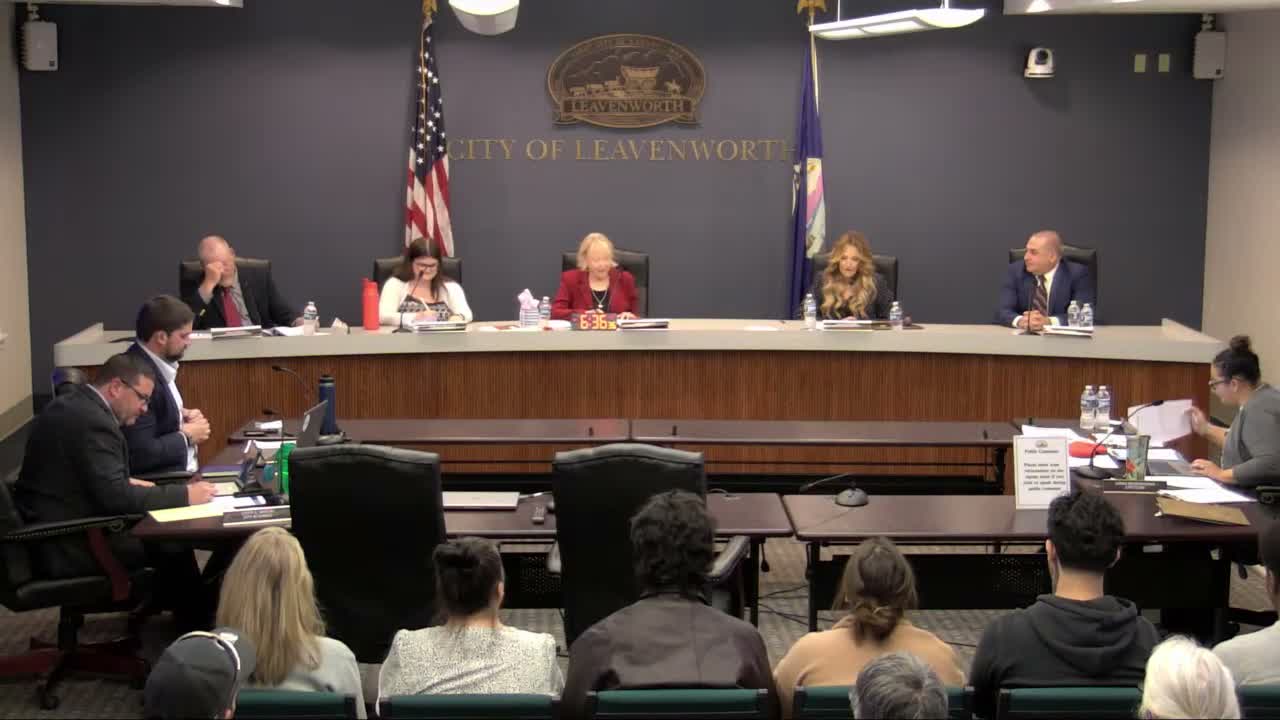
Summary
Dozens of residents, veterans, religious groups and civil-rights advocates told the Leavenworth City Commission they oppose CoreCivic’s special-use permit application, citing the company’s track record and demanding strict oversight or outright denial; the commission heard requests for staffing, oversight, and cost-reimbursement conditions.
Dozens of residents, veterans, faith leaders and advocacy groups urged the Leavenworth City Commission on Dec. 9 to oppose CoreCivic’s application to reopen an immigrant detention facility in Leavenworth.
Speakers included members of local advocacy groups and state and national organizations. Esme Sung, speaking for ACLU Kansas, pointed to recent federal litigation alleging unsanitary conditions and inadequate care at other CoreCivic-run facilities and urged the commission to require ‘‘robust, thorough and protective’’ conditions in any special-use permit, including minimum staffing levels and independent oversight. Dennis McClear, representing the Lynch family, linked the public safety proclamation earlier in the meeting to his plea that people refrain from impaired driving.
Multiple veterans and parishioners recounted personal ties to the city and described concern about CoreCivic’s national record. Justin Young of the Carceral Accountability Council, and other witnesses, said CoreCivic repeatedly tried to bypass the city’s special-use permit process and that the company’s legal tactics had already cost taxpayers. Speakers called for the city to demand reimbursement of the legal expenses the city incurred defending local land-use law if a permit is approved.
Several commenters urged the commission to treat any approval as contingent on enforceable, auditable conditions. ACLU counsel highlighted measures that could be included in a permit: staffing ratios above a specified threshold, contractual reimbursement for emergency responses, and independent auditing and oversight that are enforceable by the city rather than left to the operator.
Many speakers cited past incidents at CoreCivic facilities nationally — including allegations of medical neglect and unsafe conditions — and described the firm’s reputation as a reason to deny the permit. A handful of speakers suggested abolitionist positions toward ICE, while others asked the city simply to reject a private operator with a documented history of problems.
The meeting did not include a commission vote on the CoreCivic application. Instead, commissioners heard public comments as part of the regular agenda; a staff-led review and future hearings tied to the special-use permit process remain the procedural path. Several speakers asked the commission to require the full permit application and supporting documents to be released publicly before future votes, and urged town-hall style engagement and consultation with those who have direct experience working at or detained in CoreCivic facilities.
What’s next: the commission has accepted the application process and public comment record; any formal vote on the special-use permit or related conditional approvals must follow notice and the city’s planning process. The commission heard repeated public calls for either denial or unusually strong, enforceable permit conditions.