
Council clarifies when city will fix culverts and when homeowners must pay
Get AI-powered insights, summaries, and transcripts
Subscribe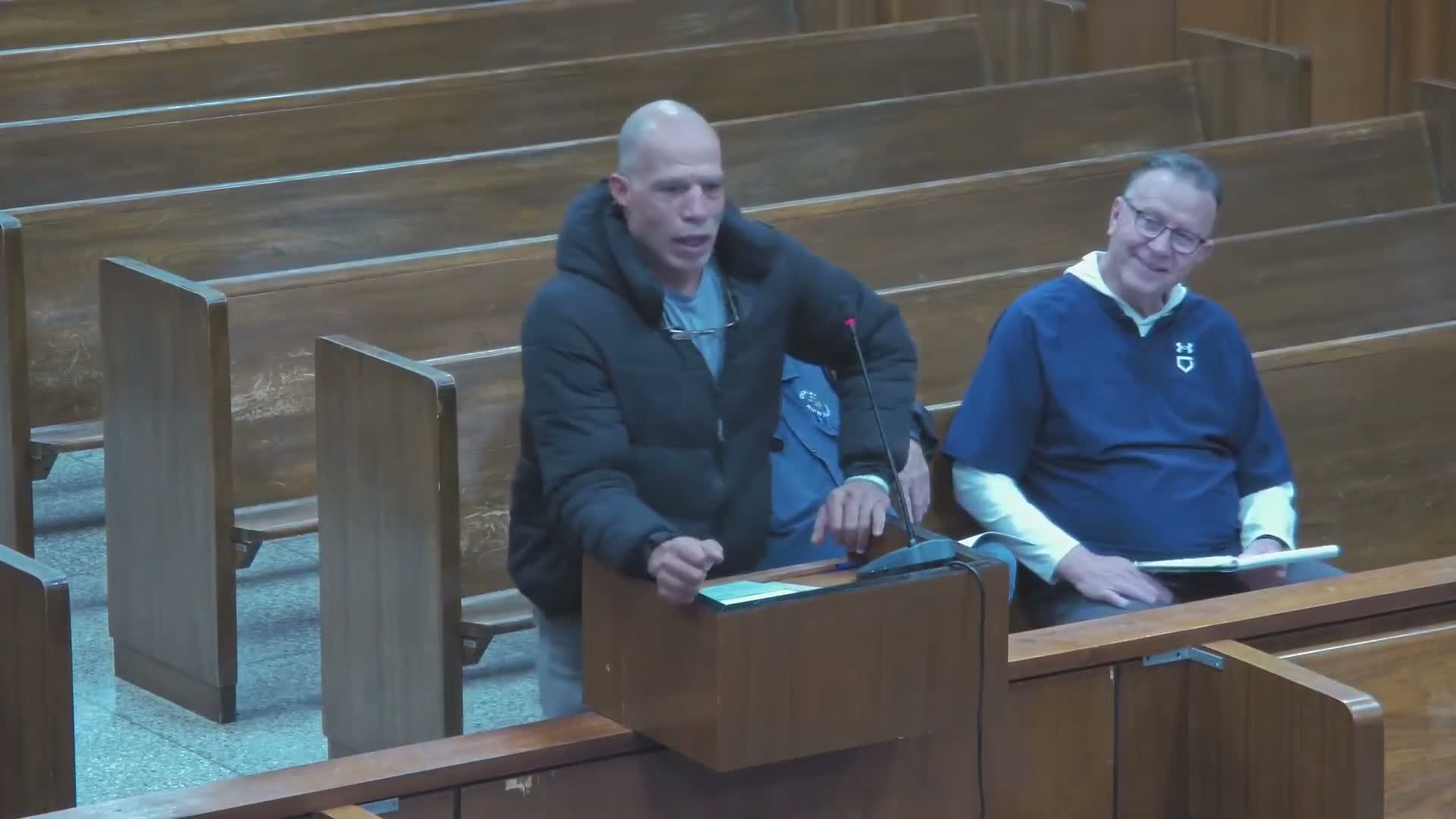
Summary
Street commissioner sought guidance on whether the city pays for culvert materials where driveways have collapsed; council and the city attorney said the city will replace culverts when work is for the public good and improves drainage flow, but homeowners are responsible for private driveway surface replacement unless city work directly damages it.
Street Commissioner Wesley asked the council for a clear rule on responsibility for failed driveway culverts and the associated driveway surface. "I just don't know if it's my responsibility the city's responsibility to pay for the material to fix it or if it's the homeowner," Wesley said, asking for a consistent policy.
Council members and the city attorney responded that the distinction hinges on whether replacement is performed for the public good. If replacing a culvert improves overall drainage and reduces upstream flooding, "the city would pay for the removal and replacement of the culvert, but not for the replacement of the driveway itself," City Engineer Tim Mader explained. The attorney and other council members added that where a replacement requires removing private driveway concrete because of city-initiated drainage work, some provision must exist to allow access and restore safe entry, and that officials must consider enforcement if homeowners refuse necessary repairs.
Wesley and other staff described practical approaches used in the field: crews sometimes salvage existing pipe, use aggregate or rock to provide temporary access, or perform limited repairs when homeowners cannot afford full replacement. Council members emphasized the city cannot spend public funds to improve private property unless the work is deemed a public benefit.
What happens next: City staff will apply the clarified practice—funding culvert material and public-good drainage; leaving driveway concrete replacement to property owners except where city work causes damage—and use photographs and documentation when enforcement or assistance questions arise.