
Architects lay out two-site plans, costs and schedule for Region 15 elementary projects
Get AI-powered insights, summaries, and transcripts
Subscribe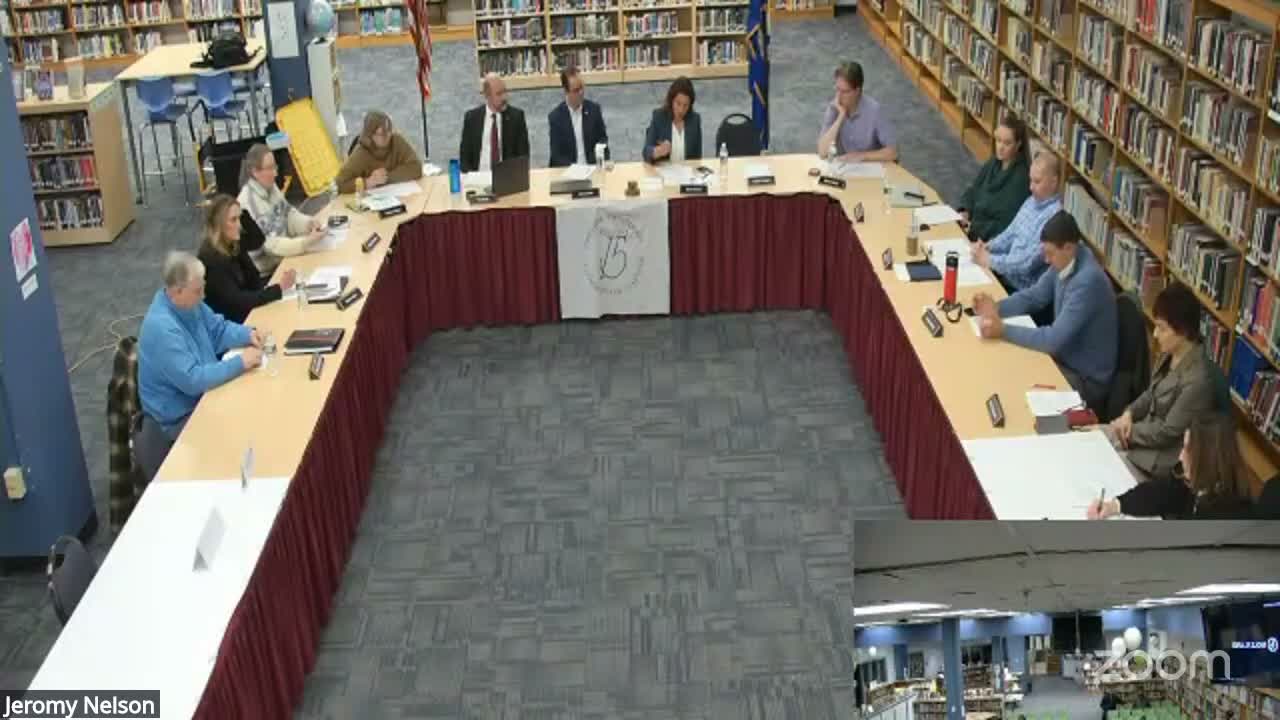
Summary
Techcom Architects presented conceptual site plans and costs for two proposed elementary schools in Regional School District 15, detailing sanitary connections, topography constraints, environmental testing and a multi‑year grant timeline. Board members pressed for updated cost comparisons and clearer public materials.
Techcom Architects on Monday walked the Regional School District 15 board through conceptual site plans for two potential elementary‑school projects, answering questions about septic and sewer connections, topography, grant eligibility and likely timelines.
"The grant application that the state's gonna look at is they wanna know size, scope, if it's possible, and how much it costs," said Jeff Buzynski, principal at Techcom Architects, as he described the information funders require. The presentation covered two options for each campus, including a roughly 95,000‑square‑foot program (about a 64,000‑square‑foot footprint) and strategies to separate construction zones from occupied school areas to limit disruption.
Architects told the board that sanitary connections are a primary constraint: one potential tie‑in to the public system sits about 1,500 linear feet from the GES site and Techcom has asked the utility and WPCA to confirm capacity and timing. The team also recommended a Phase I environmental site assessment and limited geotechnical borings to identify soil and contaminant risks before a grant submission.
Design strategies presented include phased construction behind a security fence with temporary play areas and separate parent/bus drop‑offs to reduce traffic stacking. Architects said the typical construction cadence for a project of this size would be roughly 18 months of construction, with design consuming another year to 18 months. They also explained common budget protections: a schematic design contingency (about 10%), a design‑development contingency (about 5%), and a minimum owner contingency of 5%.
Presenters laid out preliminary hard and soft cost items and allowances: environmental site work was estimated at roughly $500,000–$750,000, hazardous‑material abatement at about $1 million–$1.5 million, and an escalation allowance was discussed in the tens of millions at the program level to cover market changes across a 36‑month window. The team flagged ineligible grant costs the state generally omits, notably synthetic turf fields and costs incurred off a property that the district does not own.
Board members pressed on alternatives and risk. Several asked for updated, digestible comparisons to prior feasibility work on off‑site options (including Roxbury Road and the IBM parcel), acquisition and redistricting impacts, and the potential cost of access roads or longer utility runs. Administrators agreed to compile a clearer summary and an updated FAQ for public posting.
Citizen comment echoed the call for more information. Mister O'Neil, a resident, suggested the board press state officials about conveying larger state parcels as alternate sites and said many residents oppose development at Roxbury Road because of its rural character.
Techcom said the next steps are to refine the plan based on board feedback, finalize estimates required to draft referendum language and confirm state reimbursement assumptions. The architects and staff emphasized that more detailed testing and definitive cost estimates are needed before the district can set a referendum amount and final project scope.
What happens next: the district will collect the additional technical and cost information requested, post an expanded FAQ and comparison document for the public, and return to the board with updated numbers and sample referendum language ahead of a future vote.