
Judge asks council for $169,522 in opioid-settlement funds for mental-health treatment court; request tabled
Get AI-powered insights, summaries, and transcripts
Subscribe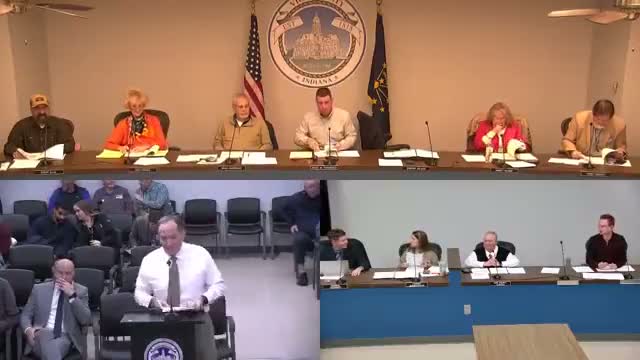
Summary
Judge Dan Kelly and coordinator Janet McBride requested $169,522 from opioid-settlement funds to fund a full-time case manager and drug screening for the Vigo County Mental Health Treatment Court; the council voted to table the appropriation pending more information about restricted vs. unrestricted opioid money and program capacity.
Judge Dan Kelly and program coordinator Janet McBride asked the Vigo County Council to approve $169,522 in opioid-settlement funding to support a full-time case manager and drug-screening for the county’s newly certified Mental Health Treatment Court.
McBride said the program — provisionally certified July 22, 2022 — serves people with co-occurring serious mental-health and substance-use disorders and uses an evidence-based, problem-solving approach. The request was tied to the opioid litigation settlement’s stated purpose of funding evidence-based programs that connect justice-involved people to treatment as an alternative to incarceration.
The ask and intended use: McBride said the requested funds would primarily pay a full-time case manager and cover drug-screening costs; the program currently has five participants and staff estimated a capacity of roughly 20 participants with the requested resources. “A case manager can provide services up to 15 participants because it is so intensive,” she told the council.
Council concerns and action: Members asked whether the request should come from restricted or unrestricted opioid-settlement monies, whether the state Office of Court Services and other grant sources were fully tapped, and how this program fits a longer-term opioid funding strategy. After discussion Councilman Gentry moved to table the appropriation to the first meeting of the year to gather additional information; the motion to table passed by roll call vote, 7-0.
Next steps: Council asked staff to provide clearer accounting of restricted vs. unrestricted opioid-settlement funds, confirm the quarterly settlement receipts (staff confirmed quarterly payments of about $161,000), and return with a budget and plan for 2026 appropriation and any overlap with the drug court and other initiatives.
Why it matters: Supporters argued the program diverts frequently arrested, seriously impaired people into treatment and frees jail capacity for higher-risk detainees; opponents and cautious members sought a consolidated opioid-funding strategy to prioritize evidence-based interventions across programs.