
Commission questions oversight after hearing that EFA differentiated aid can be spent flexibly
Get AI-powered insights, summaries, and transcripts
Subscribe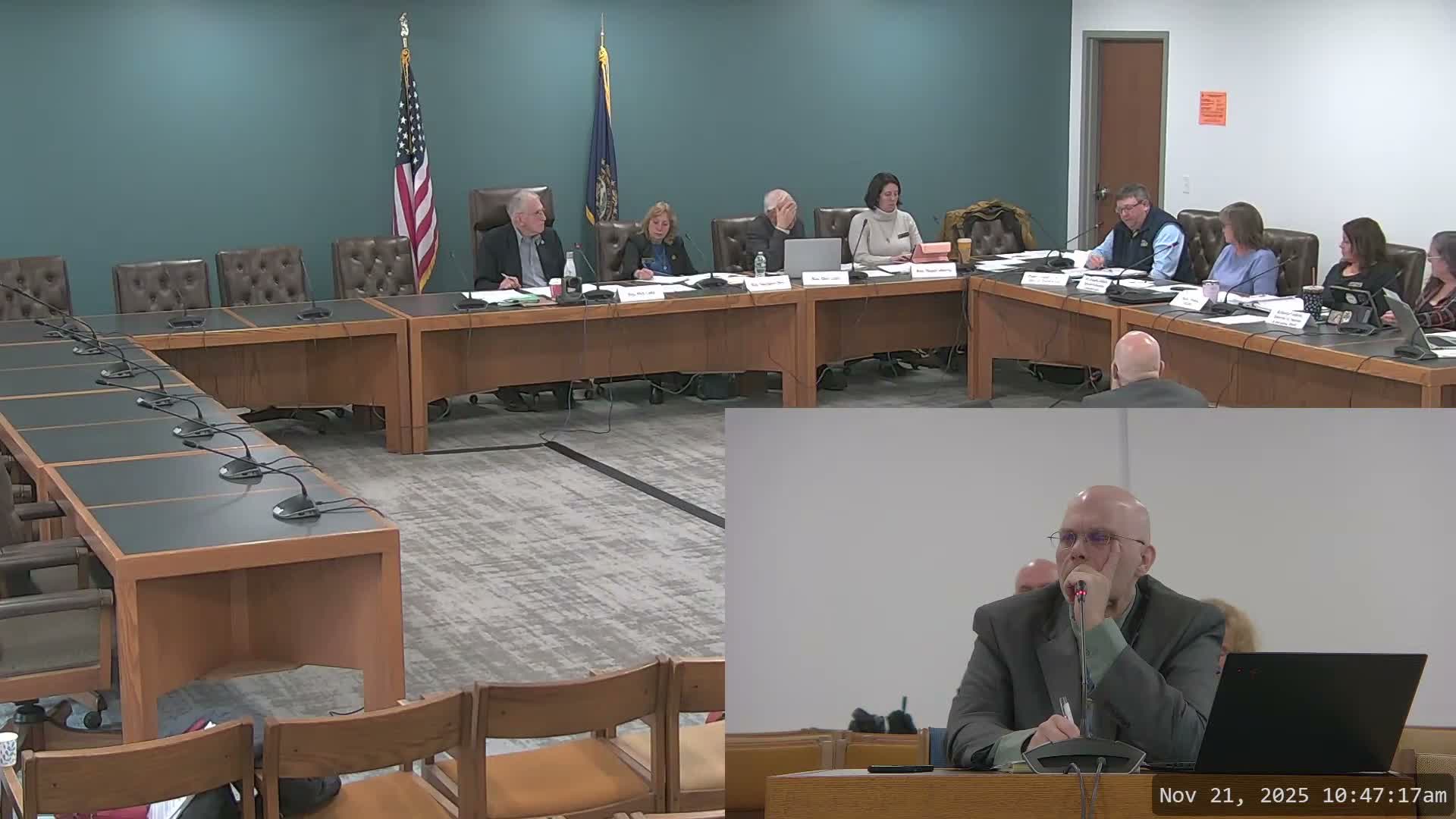
Summary
Members pressed whether differentiated aid must be spent on disability-related services after CSF said funds are allowable for many educational and therapeutic items and that parents, not the state, may have discretion; commissioners asked DOE for audits and documentation on allowable purchases and returned administrative funds.
Commissioners sought clarity on how differentiated aid is spent when families receive EFA scholarship funds rather than school-district allocated dollars.
Dwayne Ford and others asked whether the approximately $2 million allocated for disabling-condition differentiated aid must be spent on disability-related items. Chair Ladd and CSF’s Matt Southerton stated that when differentiated aid goes to districts it is non-targeted aid used under the adequacy formula; when families receive EFA funds, CSF reviews purchases for EFA-allowable items but there is no statutory requirement that parents spend the differentiated portion only on the disabling condition. Southerton listed common allowable items CSF reviews—speech therapy, neuropsychological services, therapeutic interventions, curriculum and materials—and said adjudication of specific expenses is done case-by-case.
Members asked what controls exist to ensure funds advance student outcomes: Southerton said CSF vets providers, requires credential documentation, and reviews invoices manually; he added CSF operates below the 10% contractual administrative fee (currently ~7.9%) and returns leftover funds to families at year-end. Commissioners requested CSF Form 990 and audit documentation and asked DOE to provide guidance about allowable EFA expenditures and whether any monitoring is required when parents are the direct recipients.
The commission noted a tension between parental choice under EFA and public-accountability expectations for how taxpayer dollars are used. Members asked DOE to provide examples from district DOE 25 entries and from CSF adjudication records to allow the commission to assess whether additional oversight or statutory clarifications are needed.