AI in therapy on the committee—s radar: staff present state examples, members raise safeguards concerns
Get AI-powered insights, summaries, and transcripts
Subscribe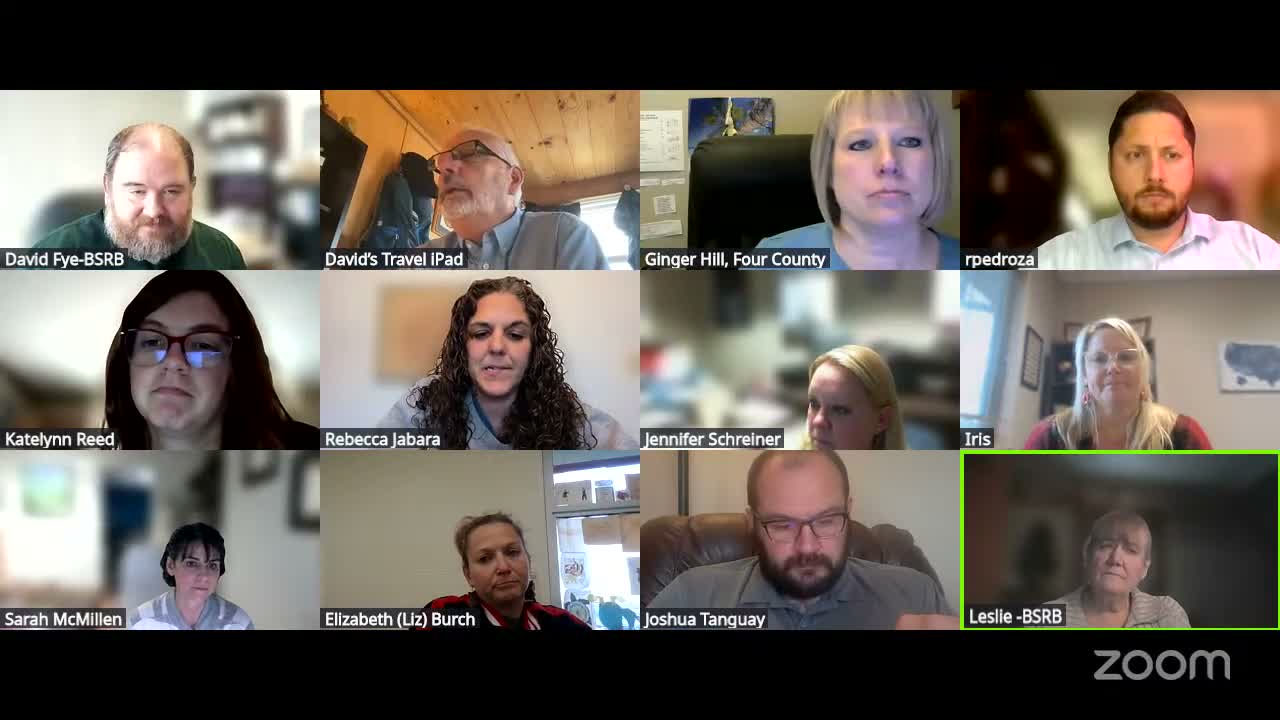
Summary
Staff briefed the advisory committee on other states— approaches to AI in behavioral health (Illinois, Nevada, Utah); members raised concerns about insurer use of AI, disclosures, privacy and a cited court case involving AI-produced therapy interactions and patient harm; the committee asked staff to continue collecting materials and partner with stakeholders.
The advisory committee continued its multimeeting discussion of artificial intelligence in behavioral health by reviewing examples of state policy and guidance and raising several operational and safety concerns.
Executive Director David Fye presented a packet that included Illinois’s House Bill 1806, which "bans AI only therapy" and requires clinician oversight of therapeutic AI, Nevada’s AB 406 that forbids AI systems from providing behavioral-health care or claiming they can do so without independent review, and Utah’s HB 452 and an Office of AI Policy guidance document focused on disclosure and data protections. Fye also noted that a federal provision that might have prohibited states from regulating AI was removed during negotiations, clearing the way for state-level work.
Members discussed potential harms and enforcement: one member referenced a reported case where a minor using an AI-based therapy system died by suicide and the AI—s use was litigated; several members said that insurers could begin to use AI outputs to make payment decisions, which would threaten clinician and patient autonomy. "I think my biggest fear for AI is that insurance is able to utilize it in every single one of our sessions and determine whether they're gonna pay based on that information," one member said. Members discussed practical steps such as requiring clear disclosures when AI is used, restricting AI to administrative tasks unless supervised, and partnering with hospital associations and payer groups for broader legislative or policy responses.
Committee members asked staff to collect additional jurisdictional examples, relevant guidance (including Utah—s 54-page letter), and any developing federal actions; they will continue the discussion at future meetings and may identify partnerships for legislative or policy work.
No regulatory action was taken at the meeting; the committee treated the presentation as an information and planning item.