
Appeals court hears challenge to judge’s refusal to give lesser-included instruction in Cheatham rape conviction
Get AI-powered insights, summaries, and transcripts
Subscribe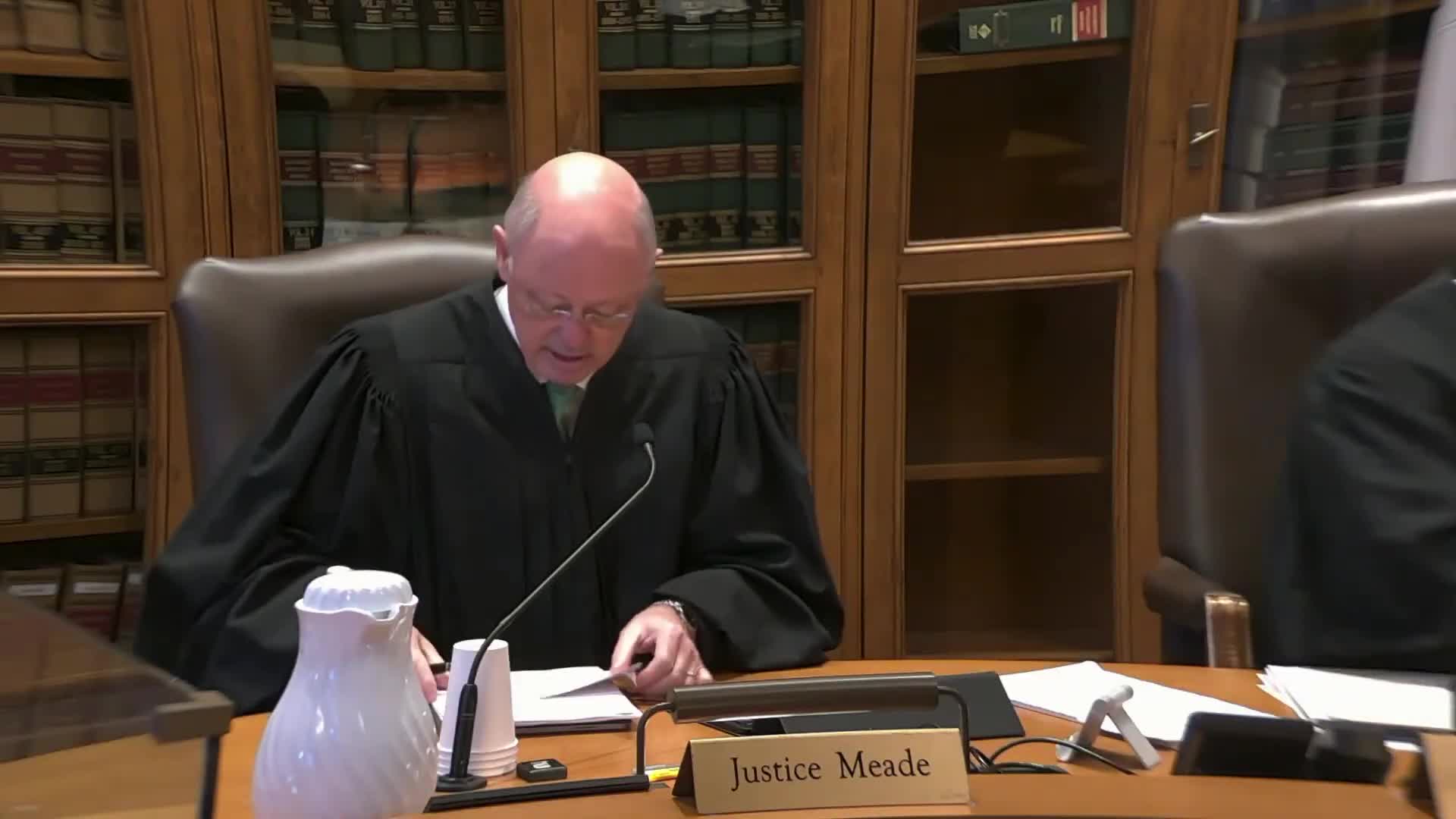
Summary
At oral argument before a three‑justice panel, defense counsel argued the trial judge should have given a lesser‑included instruction because the record, defense says, left penetration in dispute; the Commonwealth maintained testimony and corroborating evidence supported the conviction. The court took argument under advisement.
Justice Mead and a three‑judge appeals panel heard argument in Commonwealth v. Cheatham on whether the trial court erred by refusing a defense request to charge the jury on a lesser included offense.
Mister Denion, arguing for the defendant, told the panel the record did not establish penetration beyond dispute on count three and that defense counsel reasonably sought a fallback instruction for indecent assault and battery. He pointed to the trial transcript and to multiple laboratory labels and photographs, arguing the available evidence showed only exterior swabs and inconclusive DNA results rather than undisputed internal evidence of penetration.
"The jury could have found that a simple indecent assault and battery took place and not penetration," Mister Denion said, urging the court to find the judge abused discretion by denying the instruction.
Karen Palumbo, arguing for the Commonwealth, countered that the victim’s testimony was direct and corroborated by photographs of bruising and redness and that the DNA profile placed the defendant within a range that could not be excluded. "The evidence of penetration here," Palumbo said, "was unequivocal and unchallenged by the defendant." She urged the panel to affirm the conviction.
Justices pressed both sides on technical points: whether the trial record contained testimony or exhibits that supported the defense distinction between an "exterior" vaginal swab and an interior smear, and whether counsel’s focus on credibility at trial rather than an inconsistent‑verdict theory affected entitlement to a lesser instruction. The Commonwealth relied on case law that a victim’s testimony alone can suffice for conviction while the defense emphasized apparent gaps in the physical‑evidence record.
No decision was announced from the bench; argument concluded and the panel took the case under advisement.
What happens next: The appeals court will issue a written decision after it considers the parties’ briefs and today’s arguments.