
After hours of testimony, council refers short‑term rental changes to staff to refine enforcement and house‑rule proposals
Get AI-powered insights, summaries, and transcripts
Subscribe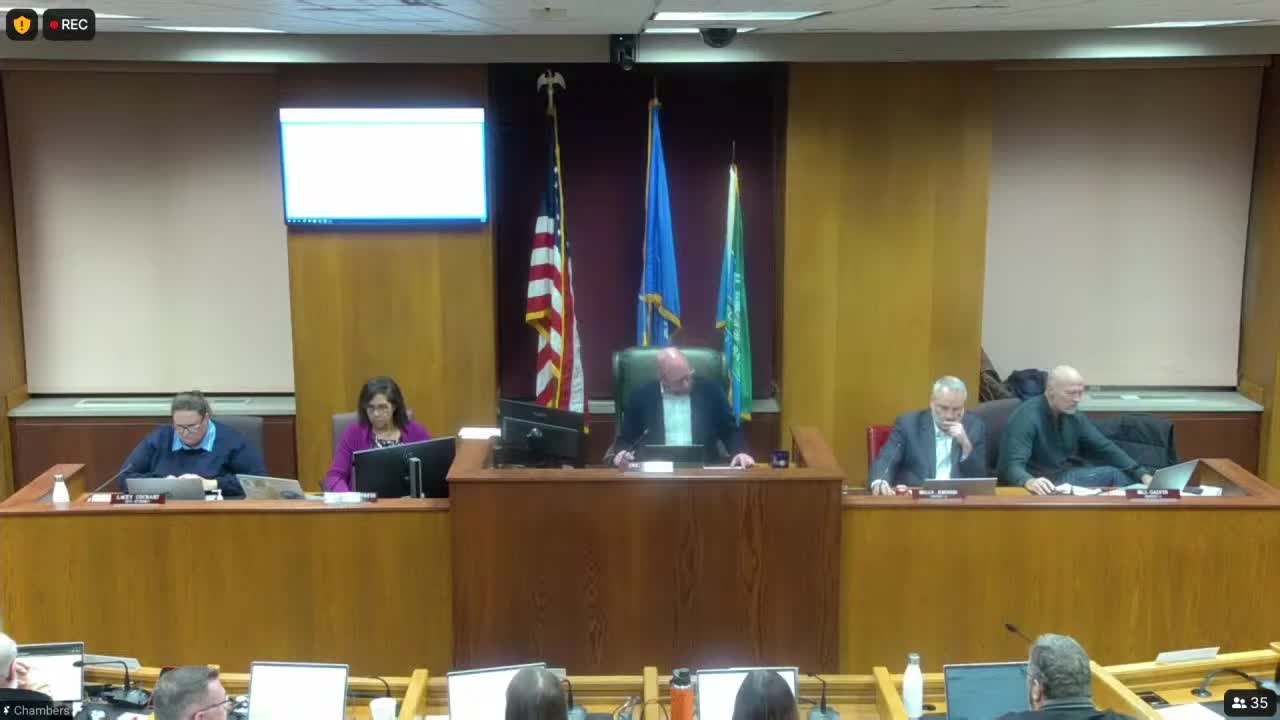
Summary
Following extensive public comment for and against short‑term rental regulation, the council voted to reject minimum‑stay and 180‑day caps from the current draft and referred the ordinance back to staff with instructions to work with the STR Alliance, Equal Rights Commission and community stakeholders on enforcement, house‑rules postings and a notification template.
The Green Bay Common Council spent the bulk of its Dec. 2 meeting debating proposed changes to short‑term rental (STR) rules and heard more than two hours of public testimony from residents, STR operators, tourism workers and neighborhood advocates.
Alders and staff framed the issue as twofold: nuisance enforcement (noise, parking, animal complaints) and broader housing‑supply concerns. Alder Jennifer Grant proposed a referral to staff to develop three concrete items: a standardized neighbor‑notification letter sent on initial permit or renewal, a short set of required ‘house rules’ operators must display and publish on listings, and a review of the city’s noise ordinance to improve measurement and enforceability.
Speakers were sharply divided. Opponents of looser STR rules said the city faces low vacancy and rising rents and argued that capping STRs or restoring a 7‑day minimum and a 180‑day cap would protect long‑term housing. "Short‑term rentals are a cancer and must be stamped out," one speaker said. Supporters and STR operators argued the existing permit and inspection regime is robust and pointed to data they presented — including a STR‑alliance analysis that claimed a 93% reduction in police calls after properties switched from long‑term to short‑term management — and urged co‑development of practical enforcement tools. "We saw an average reduction of 93% across all 442 listings," Brooke Tassell of the STR Alliance told council.
Council members debated both the policy and the limits of municipal authority under state law. Alder Brian Johnson moved an amendment to reject proposed minimum‑stay and maximum‑days provisions in the current draft, and to refer the remainder to staff to work with STR operators, the Equal Rights Commission and community members. That amendment passed; the council adopted the referral and asked staff to return with specific ordinance and policy recommendations, including clearer violation definitions and enforceable remedies.
What happens next: City staff will work with stakeholder groups to draft enforceable language, define what constitutes a 'strike' under a three‑strike concept, and propose any required changes to cross‑referenced ordinances such as the noise code. Council members asked staff for focused deliverables and asked Alders to submit specific suggestions to avoid repeatedly returning the same broad list of changes.