
UN: Gaza humanitarian conditions remain dire as partners restore some services
Get AI-powered insights, summaries, and transcripts
Subscribe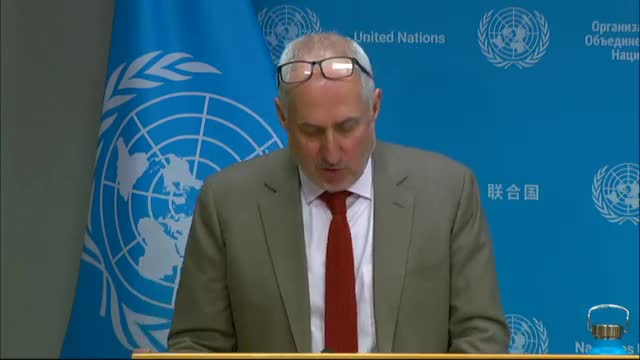
Summary
UN spokesperson Stefan said partners report incremental restoration of services in Gaza — 234 health service points operational, temporary learning spaces reopening and cash transfers reaching about 123,000 families — but access, supplies and winter needs remain critical.
Humanitarian conditions in the Gaza Strip remain "extremely dire," the United Nations said Monday, even as partners reported incremental restoration of essential services.
At a UN press briefing, spokesperson Stefan summarized partner reports that 234 health service points are now operational — up from roughly 197 before the ceasefire — and that 18 of 31 temporary learning spaces affected by rainstorms have reopened, allowing about 8,000 children to resume some form of learning. He said partners distributed tents, tarpaulins, bedding, kitchen sets and winter clothing vouchers to some 4,300 households between Wednesday and Thursday, including roughly 2,500 families in southern Gaza and nearly 1,800 in the north.
"The needs remain very high," Stefan said, stressing that lack of critical supplies, damaged infrastructure and restricted routes for humanitarian cargo "continue to face challenges." He noted that several roads and crossings remain closed or constrained, increasing congestion and exposing convoys to looting and security risks.
Stefan also said UN partners leading cash-assistance programs have completed transfers to roughly 123,000 families since the ceasefire, exceeding a target of 120,000 under the ceasefire plan.
The spokesperson reiterated UN calls for unfettered humanitarian access and urged member states, donors and partners to commit additional resources to reach people in greatest need.
The briefing included a reminder that a UN seminar on reporting from Gaza and the West Bank is underway, where the secretary-general emphasized the risks faced by journalists and insisted that civilians and civilian infrastructure must not be targeted.
The briefing did not include a new operational plan or an announcement of major new donor pledges; Stefan said partners continue to scale up responses but emphasized persistent gaps in supplies and safe access.