
Committee advances two‑year pilot to fund redevelopment of older downtown buildings after contentious debate
Get AI-powered insights, summaries, and transcripts
Subscribe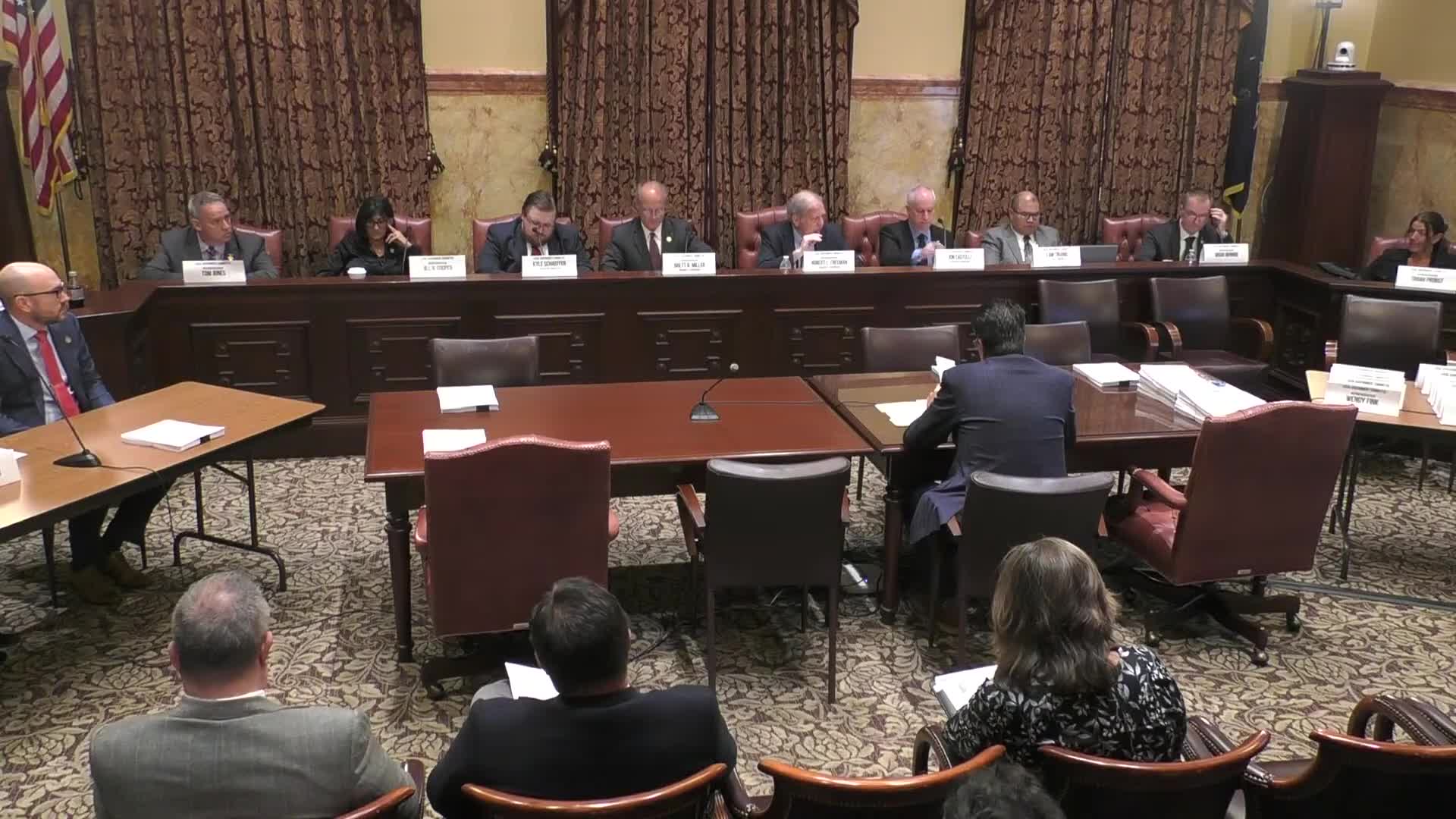
Summary
The committee reported House Bill 16 64 by roll call, 14–12. HB 16 64 would create a two‑year DCED-administered Older Building Redevelopment Assistance grant program offering $50,000–$500,000 (or up to 30% of project cost) for commercial, industrial, transportation or multifamily projects in buildings at least 50 years old; the legislation includes a 3% administrative allocation and a two‑year completion requirement with a possible six‑month extension.
The House Local Government Committee voted 14–12 to report House Bill 16 64, a two‑year pilot grant program to help redevelop older buildings across the Commonwealth.
Committee staff summarized the bill’s mechanics: DCED would administer the Older Building Redevelopment Assistance grant program, making awards of no less than $50,000 and no more than $500,000 or an amount equal to 30% of the total project cost, whichever is less, subject to funding availability. Projects must be completed within two years of the grant date, with the department able to grant a single extension of up to six months; DCED may recapture all or part of a grant if a project is not completed on time. The bill establishes a non‑lapsing fund in the state treasury and allows DCED to accept federal funds, grants, and donations; 3% of funds appropriated would cover program administrative expenses.
Representative Sarizis, the bill’s prime sponsor, said the program would help revitalize main‑street downtown anchors—multifamily and mixed‑use buildings that need costly mechanical, electrical, elevator or fire suppression upgrades. "This gives an opportunity for people to buy properties and revitalize them and bring back some of their smaller communities," Sarizis said. Members debated the bill’s scope: Chairman Miller and others argued that removing a historic‑only requirement and applying a 50‑year threshold greatly broadens eligibility and risks inundating DCED with applications; they also questioned whether local governments or counties should have a formal role in recommending or prioritizing projects. Several members defended the broader approach as reducing red tape and increasing access for communities that cannot complete historic‑designation processes.
Representative Probst raised concerns that large developers with grant‑writing resources could crowd out smaller owners who lack capacity; he asked how DCED would prioritize applicants. Representative Probst also noted potential tax implications: upgrades could increase assessed value and property taxes. Supporters said DCED’s economic‑impact review, letters of local support, and legislative outreach would help identify projects that bring downtown revitalization.
A technical amendment (A02149) removing references to "historic" and the definition for "historic character" passed by roll call 14–12 (members recorded in roll call). After further discussion and clarifications about program administration and municipal involvement, the committee reported HB 16 64 to the floor by roll call, 14–12. The bill will proceed to the full House for consideration.