
Norwalk police to trial Axon body‑cam translation that detects 36 languages
Get AI-powered insights, summaries, and transcripts
Subscribe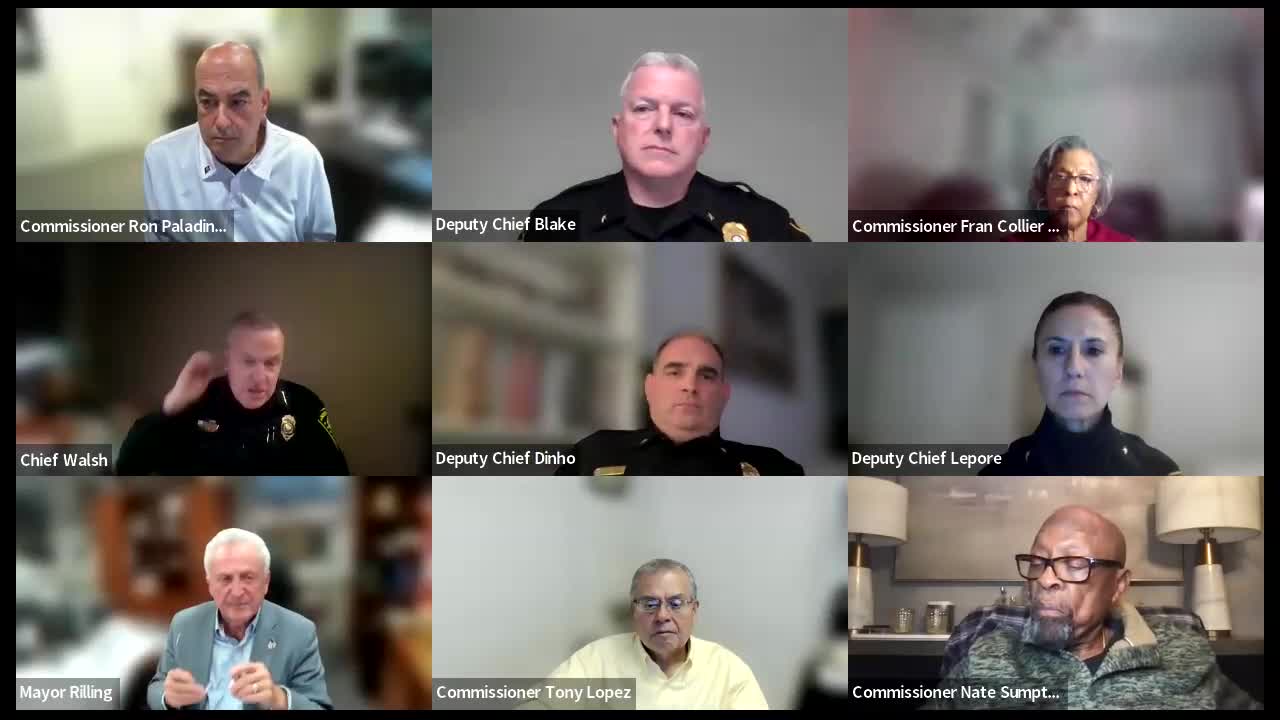
Summary
Chief Walsh told commissioners the department plans a trial of Axon body‑camera translation software that detects 36 languages and provides near real‑time translation, pending contract and corporation counsel review.
Norwalk — The police chief told the Board of Police Commissioners on Nov. 17 that the department is preparing a trial of an Axon body‑camera translation program intended to help officers communicate in multiple languages.
"The Axon camera detects 36 different languages, automatically translates it for the officer," Chief Walsh said, describing a system that would translate the subject's speech into English for the officer and translate the officer's response back to the subject. He said the technology also allows downloading transcribed conversations for recordkeeping.
Walsh said the department met with Axon representatives and hopes to run a trial across the department but must complete contract review with corporation counsel first. "Hopefully, within the next 60 days, we have to go through some contract issues with corporation counsel," he told commissioners.
On timing and performance, the chief told the commission the translation operates "practically in real time" with only a few seconds' delay, and that staff see the tool as a way to improve emergency and routine communications in a linguistically diverse city.
Commissioners asked clarifying questions about delay and practical use; no formal vote was taken, and deployment would require further contract and budget steps.
The department also reported a related project, Viper 911 text translation, to convert non‑English 911 calls into text for dispatchers; both efforts are presented as tools to improve response and communication rather than policy shifts.