
Appeals court hears contested termination, post‑adoption contact and fitness arguments in DCF case
Get AI-powered insights, summaries, and transcripts
Subscribe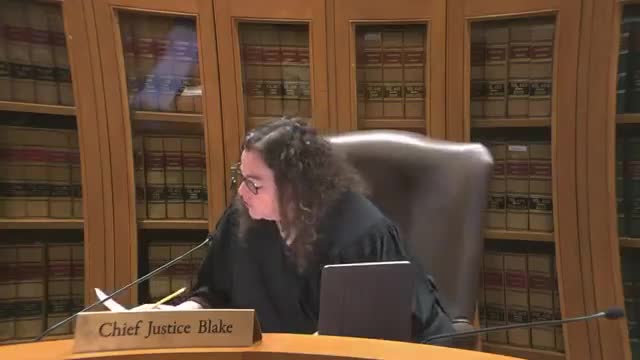
Summary
Mother appealed termination and post‑adoption contact findings, arguing lack of nexus between alleged mental‑health history and parenting deficiencies; DCF and child's attorney defended trial court's findings on unmet needs, inconsistent visitation and the child's expressed wishes. Panel took case under advisement.
Boston — The Appeals Court heard argument in a contested child‑welfare appeal in which the Department of Children and Families asked the panel to affirm a trial judge’s findings terminating parental rights and issuing a post‑termination, post‑adoption contact plan.
Appellant counsel Jennifer DeFeo argued the record lacks a nexus between the mother’s prior history with DCF and unfitness to parent, stressing the child’s later diagnosis of ADHD, the mother’s efforts to obtain services, and the impact of trauma and familial interference. DeFeo asked the court to reverse and remand for further juvenile‑court consideration.
DCF counsel Matthew McGahn and child's counsel Sherry Krasner urged affirmance. McGahn emphasized the child’s high level of needs, the mother’s inconsistent engagement with recommended tasks and the trial court’s findings that the child required an attentive, responsible caretaker; he described intervening time in care and changes in visitation that the court reasonably weighed. Krasner highlighted the child’s testimony and the judge’s factual findings about the child’s expressed wishes and the best‑interest balancing that supported limited but preserved post‑adoption contact.
The panel recognized the difficulty of such cases and reserved decision; no on‑the‑bench rulings were announced.