District outlines MTSS approach: screeners, intervention windows and how advanced learners are identified
Get AI-powered insights, summaries, and transcripts
Subscribe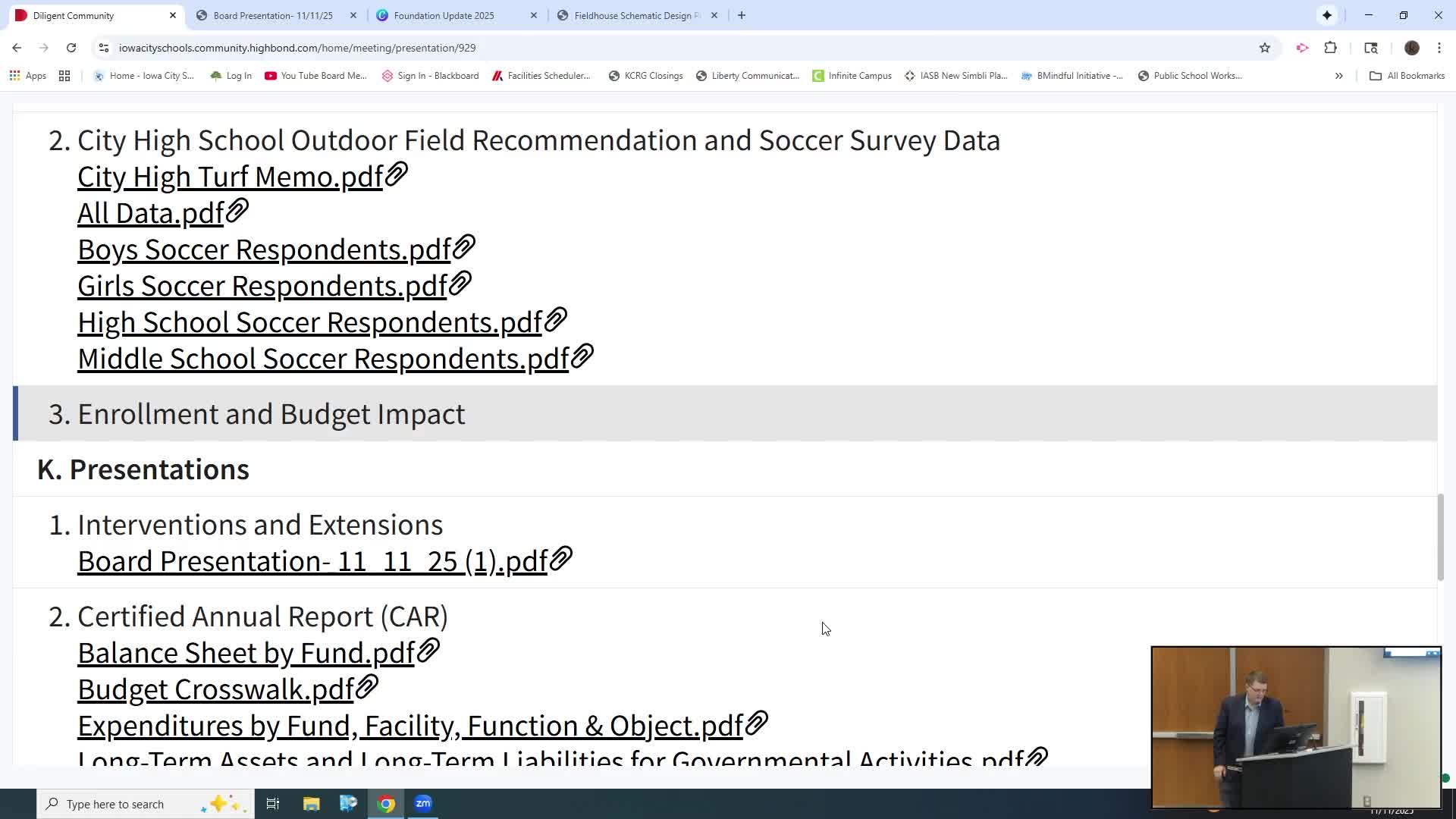
Summary
District staff reviewed its multi-tiered system of supports (MTSS): universal screeners (reading, math, Panorama for SEL), intervention inventories and scheduled intervention blocks, tier 3 individualized supports, and processes to identify students for the Extended Learning Program (ELP). Directors asked about differentiation, AI tools, and access for ELL and high-achieving low-income students.
District curriculum leaders presented a detailed explanation of the Multi-Tiered System of Supports (MTSS), focusing on tier 2 and tier 3 interventions and extension strategies. The presentation emphasized that (1) universal screeners (required in reading and math across early grades and Panorama for SEL) provide frequent 'temperature checks'; (2) differentiation and PLC collaboration by teachers are primary Tier 1 strategies; (3) tier 2 interventions are time-limited (typically 4–16 weeks) and data-driven; and (4) tier 3 supports are highly individualized and rare.
Identification and tools: Eliza described the district’s intervention inventory, alignment to core curriculum, and the screening cadence. She said elementary students receive scheduled intervention blocks (reading and math) and teachers often use an “all-hands-on-deck” approach so students can 'walk to' interventions during those times. For ELP identification the district uses a screening pool and an ability assessment (Naglieri) and has processes for parent nomination and student self-nomination at the secondary level.
Equity and access questions: Directors pressed about differentiated materials for varied learners, supports for English language learners (SIOP strategies, ELL collaboration), device monitoring (Securly classroom) to ensure extensions are used productively, and pathways for high-achieving low-income students to access accelerated coursework. Staff described collaboration between general-education, special-education and ELL teams, co-taught classes, and use of surveys plus teacher referral forms for early identification.
Next steps: Staff invited board questions and will continue building capacity for vocabulary instruction and collaborative practices that support both intervention and extension. The presentation concluded with examples of specific intervention programs and a reminder that progress is frequently monitored and adjusted.
Attribution: Eliza (MTSS lead) delivered the presentation; Lisonbee Freytag answered SEL-related questions; multiple directors (including Director Finch and Director Abraham) asked for clarity on materials and scheduling.