
City withdraws proposed food-insecurity board ordinance and approves uniform agenda-procedure ordinance
Get AI-powered insights, summaries, and transcripts
Subscribe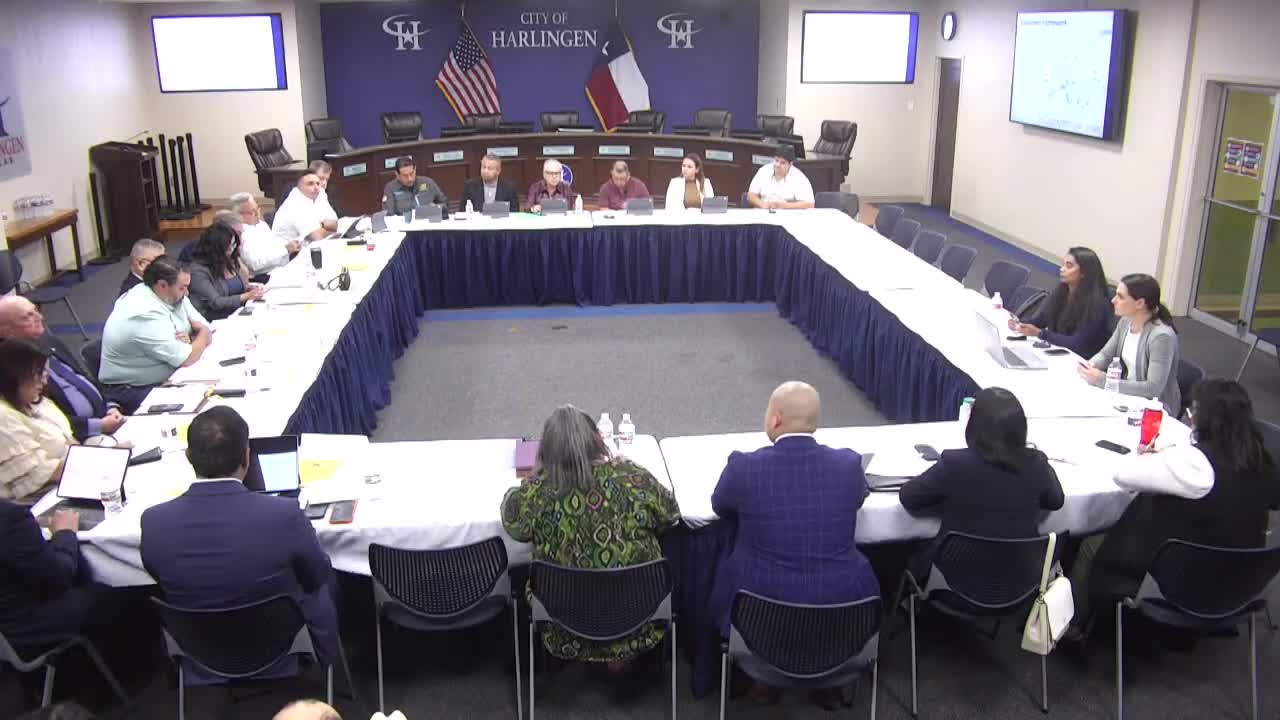
Summary
After three months of nonprofit roundtables and concerns about procedural constraints, the mayor withdrew a proposal to create a Food Insecurity Board in favor of a resolution directing city collaboration with nonprofits; the commission also approved a separate ordinance standardizing agenda procedures on second and final reading.
Harlingen — The City Commission withdrew a proposed ordinance to create a Food Insecurity Board at the Nov. 13 meeting and approved a separate ordinance (second and final reading) establishing a uniform procedure for placing items on agendas for city boards, commissions and departments.
The mayor said he had held roundtable discussions with local nonprofits and food pantries for about three months. After reviewing the draft ordinance and discussing procedural concerns — including references to the "Rini rule" — the sponsor said the city would instead adopt a resolution to formalize collaboration with nonprofits rather than creating a new board at this time. "I'm gonna withdraw it, but it'll come back in the form of a resolution at the next meeting," the sponsor said.
Separately, the commission considered an ordinance to create a uniform agenda-submission process (second and final reading). One commissioner objected that some revised ordinance language was not in the packet they received earlier in the week; staff said changes were made to address a commissioner request and that the content was consistent with prior drafts. The commission moved to approve the ordinance; the motion passed after a second was recorded.
The actions leave the resolution approach as the intended next step for addressing food insecurity in partnership with local nonprofits and confirm a new, codified process for placing items on city agendas.