
Committee orders interim study of HB293 on minors' access to online obscenity
Get AI-powered insights, summaries, and transcripts
Subscribe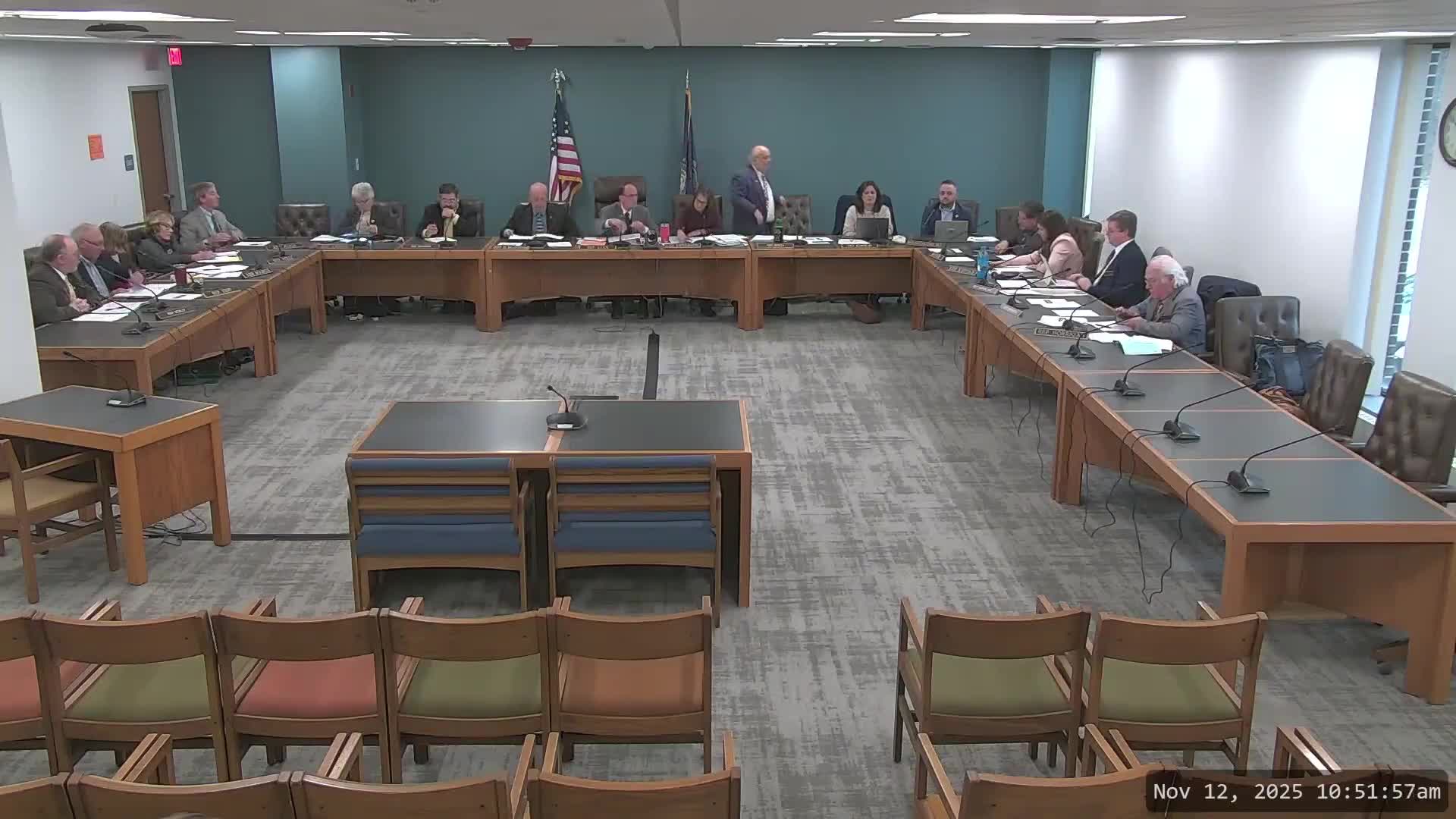
Summary
The Judiciary Committee voted unanimously to recommend interim study for HB293, citing existing vendor controls (Apple) and a pending Utah lawsuit; sponsors said more study is needed on implementation and parental tools.
The House Judiciary Committee voted unanimously to place House Bill 293 (measures aimed at preventing minors' access to obscenity on internet-connected devices) into interim study.
Representative Kuttab, who moved the interim-study motion, told members that major device vendors already impose age-based filtering during device setup and offer parental passcode controls; committee members pointed to an ongoing Utah lawsuit over implementation as a reason to monitor outcomes before passing statewide requirements. "We got some information that Apple is actually already complying as is written in the law," Kuttab said, describing device-setup age checks and filters.
A subcommittee chair and co-sponsor said the issue is complex and that parents need better tools; they cited the outdated Children’s Online Privacy Protection Act (COPPA) and ongoing state-level work on cell-phone policies in schools as related policy efforts. Given the technical and legal questions, members agreed an interim review would let the committee consider vendor outcomes and any necessary statutory fixes.
The clerk recorded a unanimous roll-call in favor of interim study (17–0). Representative Kuttab was asked to write the report. The interim study will allow staff and members to gather more evidence before the bill returns to the committee or floor for further action.