
Engineering outlines new construction staging permit, higher fees and possible limits on long sidewalk closures
Get AI-powered insights, summaries, and transcripts
Subscribe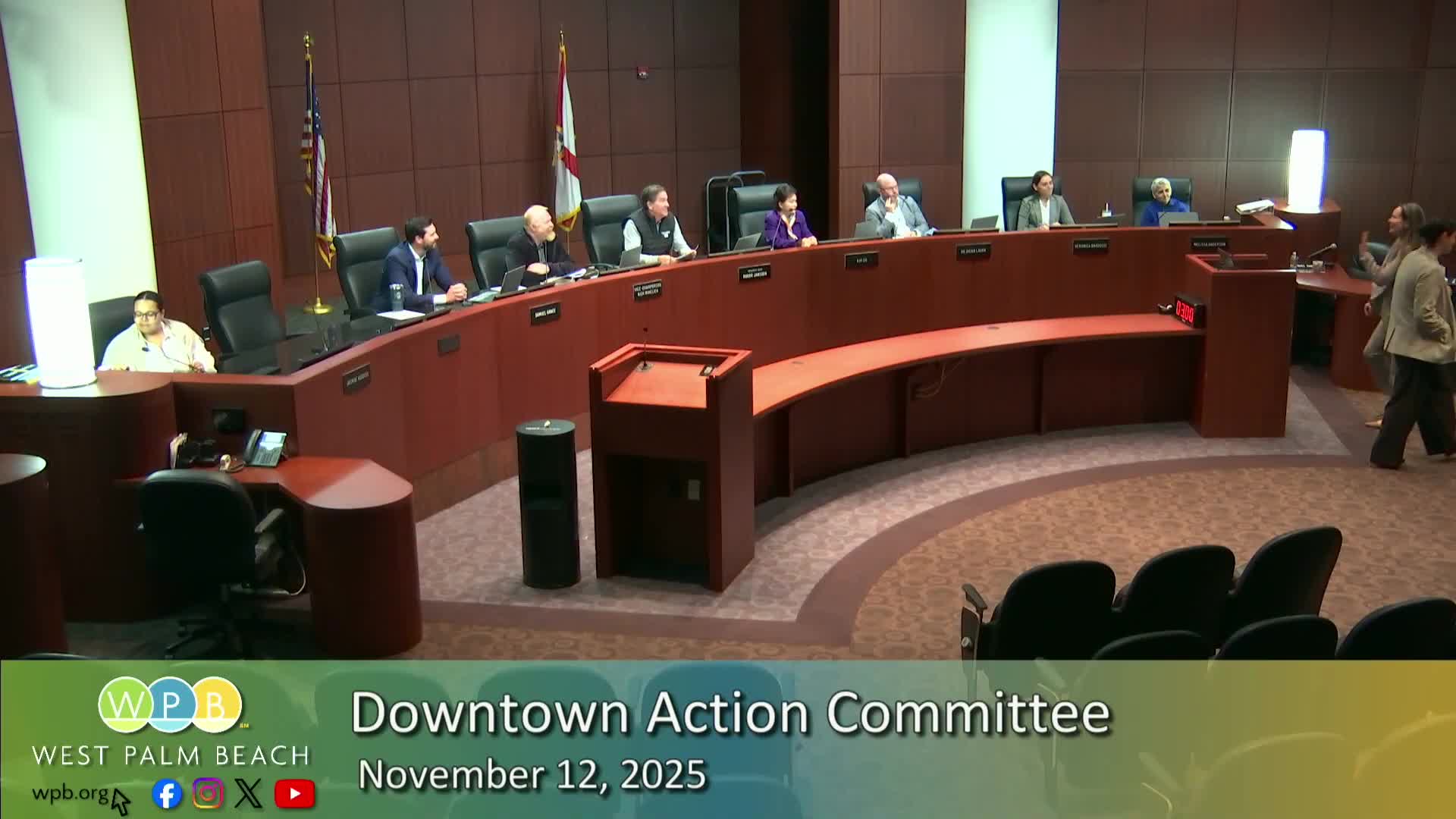
Summary
City engineering staff described a new construction staging and management permit, steps required of contractors (parking plans, delivery routes, staging) and current fees that generated about $2 million last year; staff said they are considering code changes to limit long‑term right‑of‑way closures and require alternative pedestrian access.
Suzanne Brooklyn, assistant director of engineering services, briefed the Downtown Action Committee on Nov. 12 about revised right‑of‑way permitting and the city’s approach to managing long‑term construction closures downtown.
Brooklyn said the city now requires a construction staging and management plan that details where contractors will park, how materials will be delivered and how equipment and staging will be handled on site. She described permit fees currently charged for lane and sidewalk closures (60¢ per linear foot per lane per day for the first 30 days; 75¢ after 60 days) and said right‑of‑way permit fees brought in about $2,000,000 last year. Brooklyn said those fees go into the gas tax fund used for road resurfacing and sidewalk work.
Board members raised safety concerns about long pedestrian detours and urged looking to other cities that require onsite scaffolding or protected pedestrian walkways during construction. One member suggested significantly increasing closure fees to deter long closures; Brooklyn said staff is exploring code changes to limit closure duration, require overhead pedestrian access once lower floors are built, and improve permit review and enforcement. She said proposed code changes could be taken to City Commission next year.
Brooklyn said the city has limited mechanisms to deny requests when applicants provide acceptable detour routes and pay fees, and that staff will pursue changes to give the city more leverage over prolonged closures.
Next steps: engineering staff will continue drafting code adjustments and can return to DAC with details when proposals are ready for committee review.