
Council debates pacing, outreach and adoption of 14 community area plans
Get AI-powered insights, summaries, and transcripts
Subscribe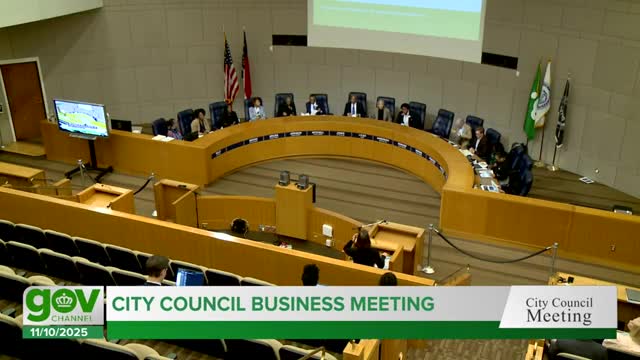
Summary
Planning staff presented 14 community area plans and a revised policy map to Charlotte City Council on Nov. 10; council members argued over whether to adopt all plans at once or phase adoption to allow more targeted outreach.
Planning staff presented the 14 proposed community area plans on Nov. 10 and described how those plans refine the Charlotte Future 2040 plan with updated policy maps, environmental‑justice recommendations and a program guide for implementation.
Staff said the area‑plan phase produced roughly 750,000 interactions and more than 2,700 distinct comments; approximately 20% of comments yielded changes to the draft plans. Staff highlighted several neighborhood‑level changes made after targeted engagement, for example: a compromise ‘industrial mixed‑use’ classification for a buffer near Steelberry Acres and lower intensity transitions in Cherry and Dilworth.
Several council members praised staff work but asked for more plain‑language summaries, district examples, and a clearer change‑management plan so communities can see how to request map amendments after adoption. Council members raised concerns that online webinars had been too fast for some residents; staff said they will post clear Q&A responses and provide follow‑up community sessions.
The council debated whether to adopt all 14 plans simultaneously or to phase adoption geographically. Supporters of phasing argued it would allow concentrated community outreach where residents still have open concerns; opponents warned that a phased approach could create an uneven regulatory environment that leaves some neighborhoods unprotected. Mayor asked Council member Watlington to draft proposed language and asked the city attorney to analyze legal implications of phased adoption.
Next steps: Staff will publish answers to webinar questions, provide district examples and the consultant’s final gap‑analysis recommendations; city attorney will assess legal exposure of a phased adoption approach and staff will return with recommended procedures.