
City staff outline resilience plan, projects and funding after recent storms
Get AI-powered insights, summaries, and transcripts
Subscribe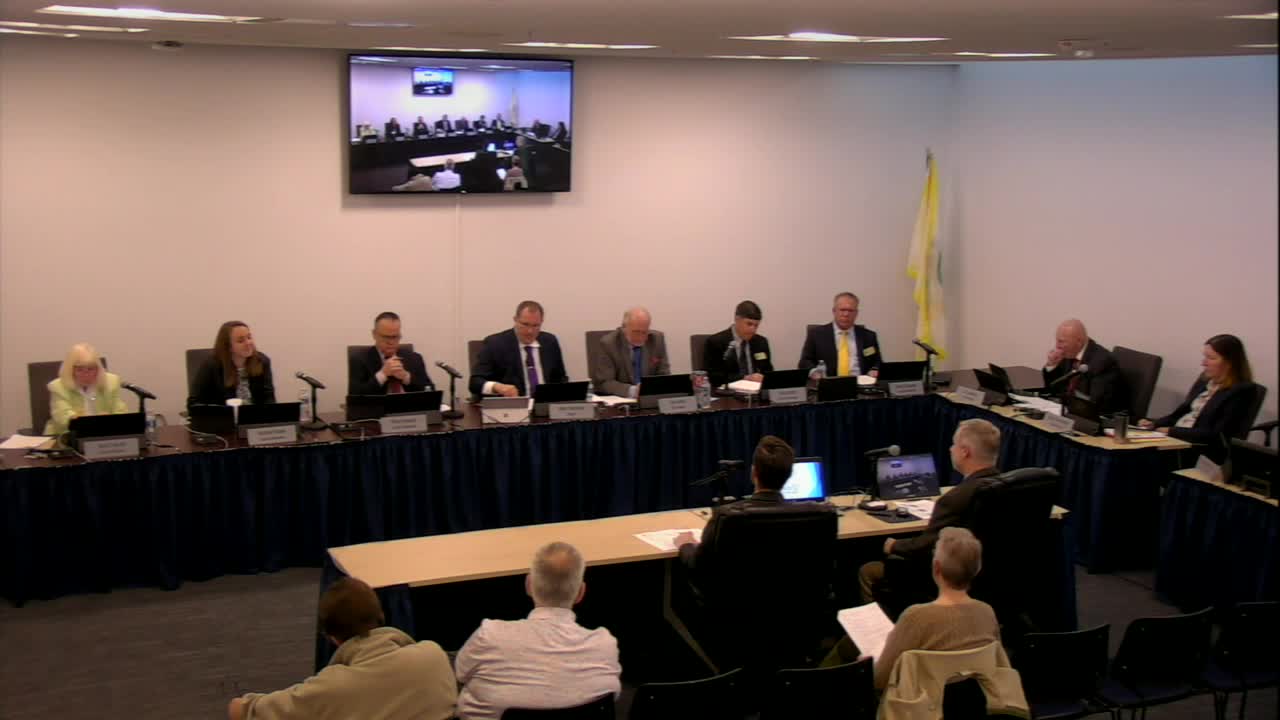
Summary
Assistant City Manager James Clinch and Assistant City Engineer John Kramer briefed council on Venice’s resilience work, including the city’s Coastal Resilience Plan, ongoing and proposed projects funded through HMGP and Resilient Florida, and suggested next steps such as a possible resilience manager and a water-plant feasibility study.
Venice — City staff presented an overview of Venice’s resilience planning and projects, linking recent storm damage to an expanded set of adaptation priorities and grant opportunities.
Assistant City Manager James Clinch said resilience is "the ability to survive, recover, and adapt to a disaster or community," and described how resilience now touches infrastructure, environmental management, economic stability and social welfare. He reviewed federal and state funding programs, including the Federal Hazard Mitigation Grant Program (HMGP) and the state’s Resilient Florida grant program; he noted the state recently released a statewide sea-level-rise and flooding vulnerability assessment and that state and federal funding streams for resilience are expanding.
Assistant City Engineer John Kramer summarized local projects under way or in planning: the Venice Coastal Resilience Plan (initiated in 2021 and updated with state grant support), beach renourishment and protective berm work, the Tarpon Center Drive nature-based flood mitigation pilot (a Resilient Florida-funded project), and HMGP-funded generator and hardening projects for critical facilities. Staff also described future initiatives under study: relocation of Fire Station 52 out of the flood zone, a feasibility study to evaluate relocating the water plant, a stormwater master plan, a Flamingo Ditch feasibility study, upgrades to solid-waste and fleet maintenance facilities, and reconstruction work at Humphreys Park to increase resilience.
Clinch pointed to noncapital resiliency actions as well: the city’s participation in the National Flood Insurance Program (NFIP) and an impending improvement in the city’s Community Rating System (CRS) class from a 6 to a 5 on April 1, which can reduce insurance premiums for residents. Staff recommended pursuing grant funding aggressively and noted the potential long-term benefit of a dedicated resiliency manager to coordinate grants and cross-departmental work.
Why it matters: Council members said the presentation came at a critical time given recent storm-surge impacts to Venice beaches and facilities. Staff encouraged alignment of future capital projects and strategic planning with resilience priorities so grant opportunities can be maximized.
Council response and next steps: Councilmembers asked about timing and consultants for the water-plant feasibility study; staff said utilities will manage the study and will use a consultant, with work expected to begin this year after the potable-water master plan is complete. Council members also urged aggressive pursuit of federal and state resilience grant processes and noted regional grant convenings where Venice can present pipeline projects.
Documentation: Staff referenced the Venice Coastal Resilience Plan, Resilient Florida grants, FEMA HMGP awards and the NFIP/CRS program during the briefing.