
DHHS officials say sudden $80 million federal cut forced community contract terminations, shifted staff and slowed IT projects
Get AI-powered insights, summaries, and transcripts
Subscribe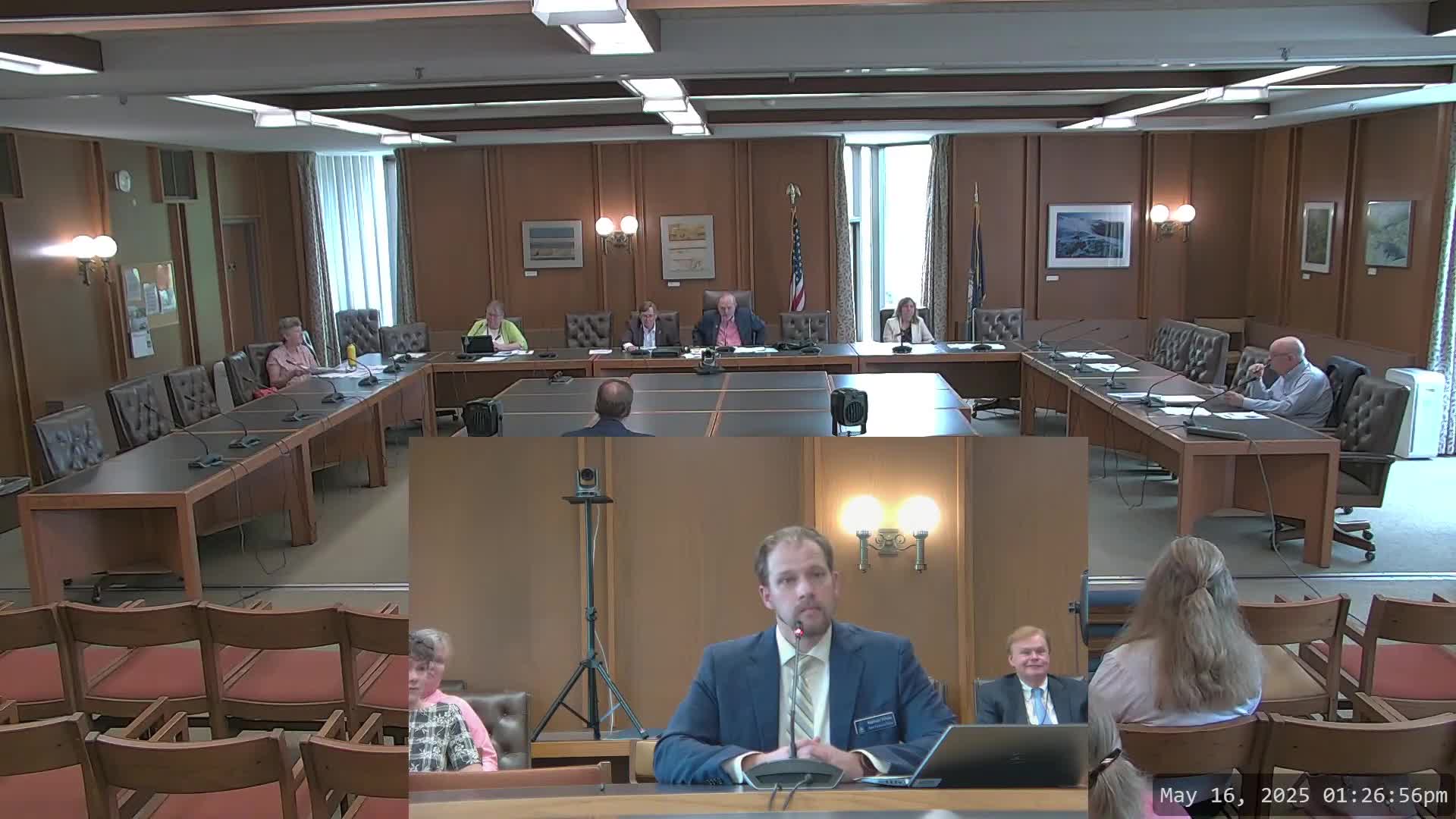
Summary
Associate Commissioner Patricia Tilly and CFO Nathan White told the committee an $80 million federal funding termination hit behavioral health and public health contracts, affected about 20 DHHS positions and led community agencies to reduce personnel; some IT projects were paused and the department used other federal sources where possible.
Department officials told the Health and Human Services Oversight Committee on May 16 that an abrupt loss of roughly $80 million in federal funding forced immediate changes to contracts and staffing in community health programs and slowed internal IT work.
Patricia Tilly, associate commissioner at DHHS, said the funding cuts primarily affected the Division of Behavioral Health Services and the Division of Public Health Services. Many contract‑funded community programs — regional public health networks, federally qualified health centers and family resource centers — had contracts ended the same day the funds were terminated, she said. That forced community partners to make personnel decisions; some community health workers left or programs reduced staff.
Tilly said the department absorbed the impact by moving about 20 affected DHHS positions to other vacancies where skills matched (for example, moving laboratory staff from wastewater testing to food inspection work). A small number of employees, she said, voluntarily left state service. Tilly warned that the department has used much of its internal “wiggle room” to protect staff and would have less flexibility to absorb future federal funding terminations.
White and Tilly also told the committee the $80 million reduction affected DHHS’s ability to continue certain IT modernization and data projects. White said the department found other federal resources in some cases to maintain critical systems (for example, the immunization registry) but that loss of federal funds required prioritizing which projects could continue.
Why it matters: The abrupt end to federal grants directly affected community providers and hampered internal modernization work that the legislature and committee rely on for program monitoring and data reporting.
Committee members asked about the longer‑term consequences for community capacity and data reporting; department officials said they would continue to seek other funding sources and noted that future federal terminations would be harder to absorb.