
Planning board recommends staff-level certificate-of-appropriateness approvals, adds caveat to protect contributing structures
Get AI-powered insights, summaries, and transcripts
Subscribe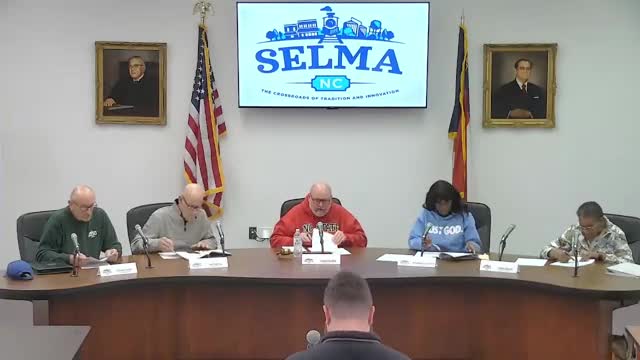
Summary
The Planning Board recommended that the Town Council approve a proposed list allowing staff to issue certain Certificates of Appropriateness for minor exterior work in Selma—s historic districts; the board asked for clearer differentiation between contributing and noncontributing structures.
The Selma Planning Board voted to recommend that the Town Council approve a revised list of minor and major work types that staff may review at the staff level for Certificates of Appropriateness (COAs) in the town’s historic districts, while adding a caveat to clarify that contributing historic structures require a different review approach.
Planning staff presented the proposed changes as a way to expedite approvals for small exterior projects by allowing town staff (the presenting staff member and planner Katie Ford were named as the staff-level reviewers) to approve certain minor items instead of requiring every request to go before the Appearance Commission. The appearance commission reviewed and recommended the list in November and town council asked the Planning Board for its recommendation, staff said.
Staff told the board that the proposed list would leave larger projects—identified in the proposal as major work—subject to Appearance Commission review, while smaller items (for example, mailboxes and other minor sitework) could be approved administratively to shorten wait times for property owners. Staff said the intent is to decrease applicant wait times for routine work that does not affect the historic character of structures.
Several board members and the recorded comment from Board member Mr. Nixon raised concerns that removing too many review items from the Appearance Commission could undermine protections for historic properties. Mr. Nixon said the town needed to be careful about treating historically contributing structures the same as noncontributing buildings and argued that the town should keep sufficient oversight to preserve the district character.
In response, staff and other board members discussed creating separate lists or categories for contributing versus noncontributing structures so that noncontributing buildings could receive more administrative flexibility while contributing historic buildings retained stricter review. The final motion approved by the board recommended the COA minor/major work list to council with the board—s suggested clarifications distinguishing contributing and noncontributing structures and other discussed caveats.
What happens next: the Planning Board—s recommendation and the board—s suggested language will be forwarded to the Town Council for final adoption as an amendment to Chapter 17 (the Unified Development Ordinance). If council approves, staff-level approvals will be implemented for the listed minor work items, and major work items will continue to require Appearance Commission review.