
Conflict disrupts services and disproportionately harms women and children in South Sudan, commenter says
Get AI-powered insights, summaries, and transcripts
Subscribe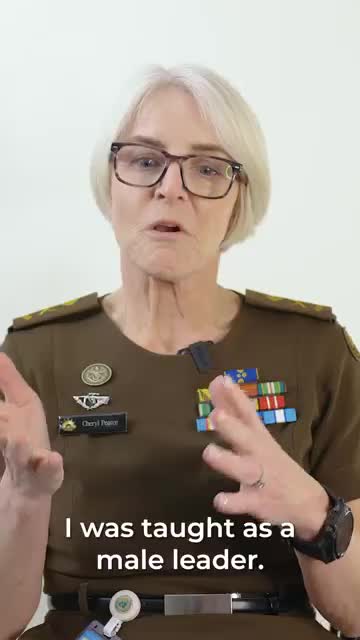
Summary
In remarks recorded in the meeting transcript, a commenter said conflict in South Sudan reduces access to education, health and economic opportunities and that women and children are among the most affected. The commenter urged that programs target women and youth and avoid treating women only as victims.
A commenter, role/title not specified, said conflict in South Sudan disrupts education, health services and economic opportunities and “affects the most those that have more vulnerable situations.”
The commenter said this dynamic disproportionately impacts women, children and youth and that humanitarian work should treat women as agents and leaders rather than only as victims. “Not to them, not power over them, but working with them,” the commenter said, urging programs to engage civil society and plan with local communities. “South Sudan has a very young population. It's more than 50% are are female, and it's a young population because of all the wars the country has been through. It's important to target the women, to target the young children in all our activities,” the commenter added.
The transcript records the commenter emphasizing that conflict reduces education and health-service access and that those impacts fall heaviest on already vulnerable groups. The commenter noted common stereotypes that treat women primarily as victims rather than as leaders and decision-makers and said that combining learned leadership approaches with a natural, female perspective helps shape planning and communication with communities.
Remarks in the transcript described programmatic priorities rather than formal policy actions: targeting women and youth in activities, involving civil society, and shifting from top-down approaches to collaborative engagement. No formal motions, votes or directives appear in the transcript excerpts provided.