Student leaders urge Regents to hold 2025-26 tuition increases, press for transparency and targeted fees
Get AI-powered insights, summaries, and transcripts
Sign Up Free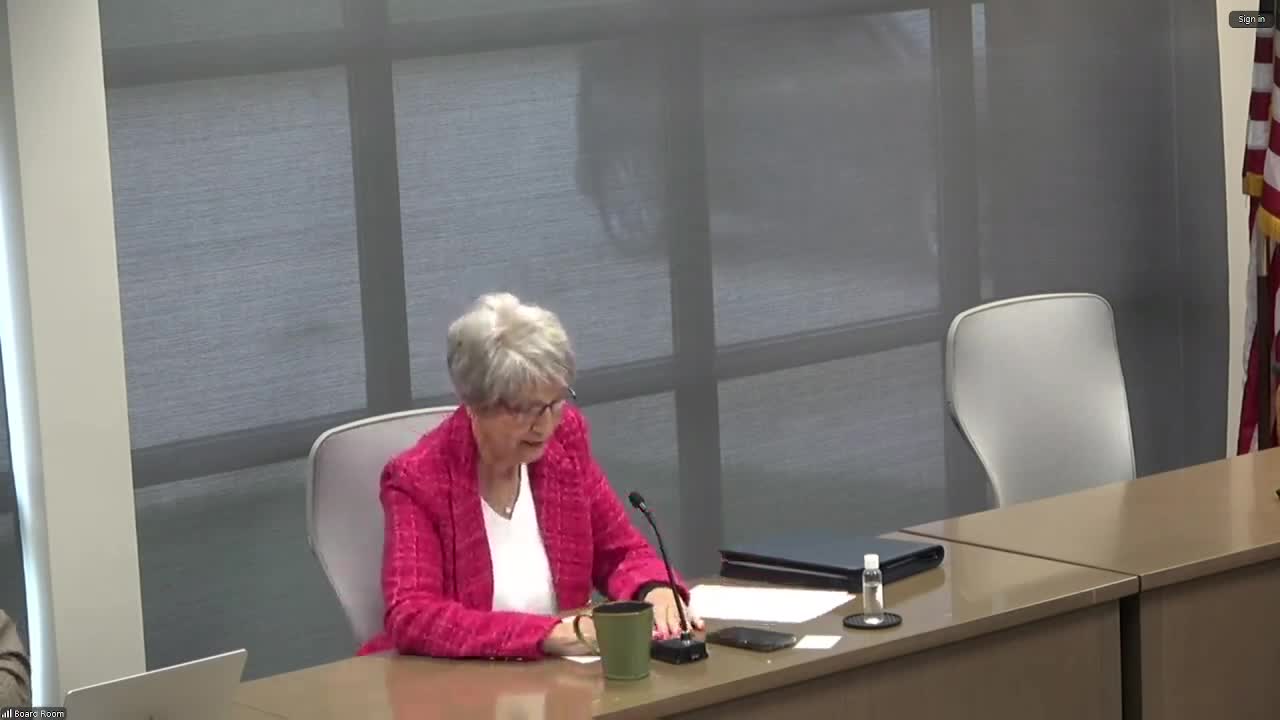
Summary
Student government leaders from the University of Iowa, Iowa State, and University of Northern Iowa told the Iowa Board of Regents that proposed tuition and fee increases would burden students and urged the board to hold tuition steady, increase transparency, and pursue targeted rather than blanket fee increases for graduate students.
Student government leaders from the University of Iowa, Iowa State University and the University of Northern Iowa addressed the Iowa Board of Regents on May 19 to express concerns about proposed tuition and mandatory fee increases for the 2025-26 academic year and to urge greater transparency, increased financial support for low-income and first-generation students, and targeted fee models for graduate students.
Thomas Knudson, student body president at the University of Iowa, told the board that a proposed increase of about $279 per year for UI students is meaningful because, he said, cumulative increases since his freshman year amount to roughly $1,200 and nearly a 12% rise. "Every extra dollar that goes into tuition is one less dollar that is going towards groceries or textbooks," Knudson said, and he relayed student stories of working multiple jobs and worrying that continued increases could push some students away from completing a degree.
Arianna Moore, incoming vice president for graduate and professional student government at the University of Iowa, representing nearly 8,000 graduate and professional students, asked the board to hold tuition steady for the coming year to provide predictability while federal funding shifts create uncertainty for graduate funding. "We recommend you hold tuition where it is and not drive students away by increasing it this year," Moore said.
Gabriel Salazar, student body vice president at the University of Northern Iowa, emphasized UNI's role in supplying Iowa's workforce and noted that more than 80% of UNI graduates remain in Iowa. "Even a couple hundred extra dollars can be the difference between a student being enrolled or having to stop out," Salazar said.
Colby Brandt, student body president at Iowa State University, said his campus understands institutional budget pressures but urged the board to accompany any increases with greater transparency, increased financial aid, state advocacy for higher education funding and savings that do not fall disproportionately on students.
Mohammad Azam, representing nearly 4,800 graduate and professional students at Iowa State, opposed a proposed 2.6% increase in the student technology fee and a proposed 5.3% increase in student health fees, saying those blanket fee increases would be unfair because not all graduate students use the same software or services. He asked the university and board to explore need-based models or reallocation of existing funds before increasing mandatory fees.
Board members asked questions following the presentations. The executive director asked Knudson where he believed university expenditures were not transparent; Knudson said he was not asserting current non-transparency but requested ongoing transparency about the reasons for and uses of any increased dollars. Board leadership thanked the students for their testimony.
No formal board vote on tuition occurred at the May 19 meeting; the board will consider tuition and fee rates at its June meeting.