
Senate concurs in broad labor and workforce amendments, removes fast-track VOSHA authority and orders reporting on late workers' compensation fees
Get AI-powered insights, summaries, and transcripts
Subscribe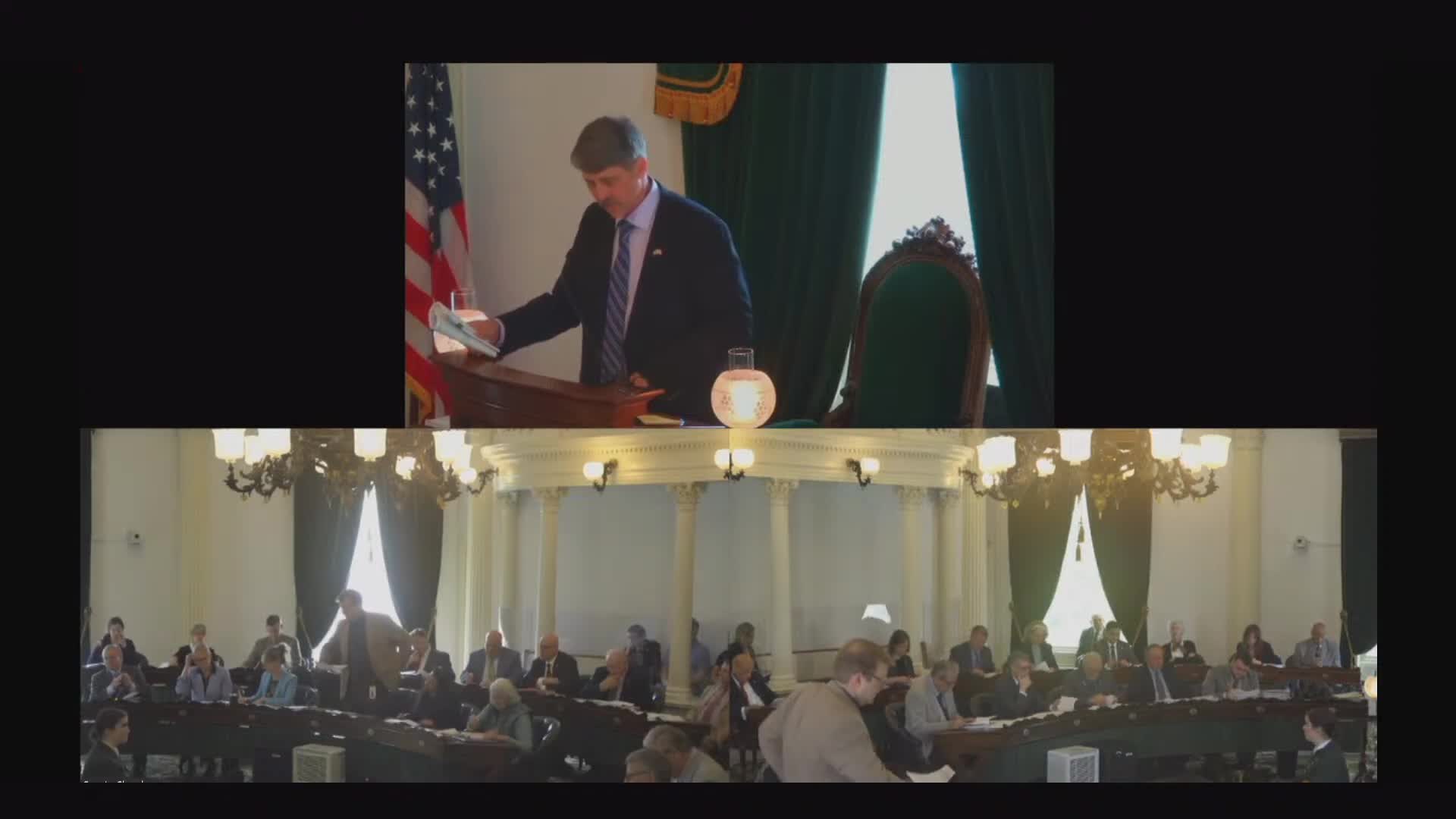
Summary
The Vermont Senate concurred with House amendments to S.117, agreeing to remove several proposed VOSHA fast-track sections, extend a UI modernization implementation deadline, and require employers to report late workers' compensation fee payments.
The Vermont Senate on Monday concurred with House amendments to S.117, a multifaceted bill addressing workplace rules, unemployment insurance IT modernization, workers' compensation reporting, and other employment-law clarifications.
The Senate Economic Development, Housing and General Affairs Committee reported that the House removed sections 1 through 4 that would have given the Vermont Occupational Safety and Health Administration (VOSHA) a fast-track authority to implement federally mandated rules; committee members said the House and the Department of Labor asked for more time and that the sections will be reconsidered in a future session. The committee also noted several technical and clarifying edits made by the House, including removal of outdated authority for the commissioner to lower pay for certain learners and apprentices.
Committee members highlighted section 21(a), which synchronizes the deadline for the unemployment insurance (UI) modernization IT system implementation with other statutes by extending the deadline by one year. Sections 22 through 24, carried into S.117 from S.125 earlier in the session, were described as routine and not controversial. The committee also reported an important change to workers' compensation enforcement language: the House amended language concerning employer late-fee obligations and added a reporting requirement so the state can better track how often employers pay late fees when workers' compensation payments are untimely.
The committee reported it had voted 5-0 to support concurrence in the House amendments and recommended the Senate concur. On the floor, the Senate concurred in the House proposal of amendment by voice vote.
Committee members said the reporting requirement will help the state quantify occurrences of late payment and better understand when and why employers are paying statutory late fees to employees. The committee described the changes as largely technical cleanup, synchronizations of deadlines, and removal of provisions that need further negotiation, while preserving worker protections in statute.