
Public health staff present community health needs assessment, prioritize substance misuse and housing
Get AI-powered insights, summaries, and transcripts
Subscribe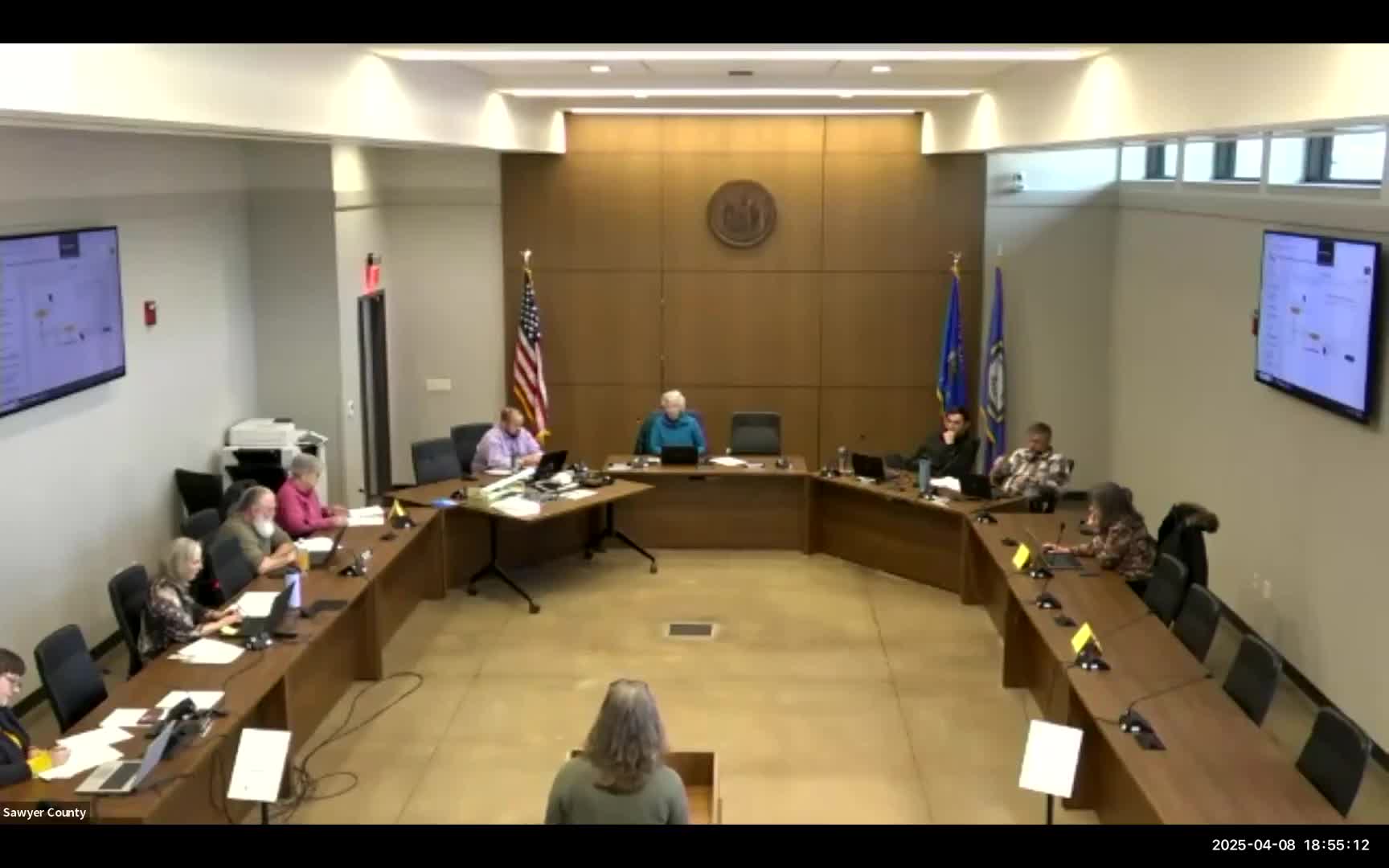
Summary
Public health staff presented a community health needs assessment and three-year community health improvement plan that prioritizes substance abuse, mental health and affordable housing after a stakeholder process and a 615-response community survey.
Sawyer County public health staff presented the county's community health needs assessment (CHNA) and a three-year community health improvement plan (CHIP) at the Health and Human Services meeting April 8.
Staff said the CHNA collected 615 survey responses and included a stakeholder meeting with more than 30 agencies; the steering committee prioritized three overarching goals for the CHIP: substance abuse (drugs and alcohol), mental health and basic needs such as affordable housing. Drug use and affordable housing were the two top responses on the survey and were described as statistically significant in the packet.
The presenter described the process: an online and paper survey, a stakeholder SWOT analysis in October, formation of a steering committee and development of year-by-year objectives. The plan includes year 1 tasks such as gap analyses and updating a central resource directory, year 2 items like a follow-up stakeholder meeting and resource fair, and year 3 goals for sustaining agency engagement and establishing SMART goals for the initiatives.
Staff said the county partnered with Tamarac Health on the CHNA/CHIP process and that Tamarac Health had already approved the documents. The public health staff said the reports will be posted on the county website, submitted to the Department of Health Services as required, and that steering-committee work groups will form to implement year 1 priorities. The meeting transcript records a request to circulate the reports to the county board; staff said the reports can be placed in the county board packet if board members request it.
Staff noted some high-priority items identified on the survey that were not included in the primary CHIP work plan because of capacity and expected impact, citing dental care and other needs as examples that were documented but not prioritized for direct action under this steering group's plan.
Public health staff asked interested agencies to contact the department to join work groups for implementation.