
Coombs Outdoors seeks town and county funds to sustain expanded youth and adult outdoor programs
Get AI-powered insights, summaries, and transcripts
Subscribe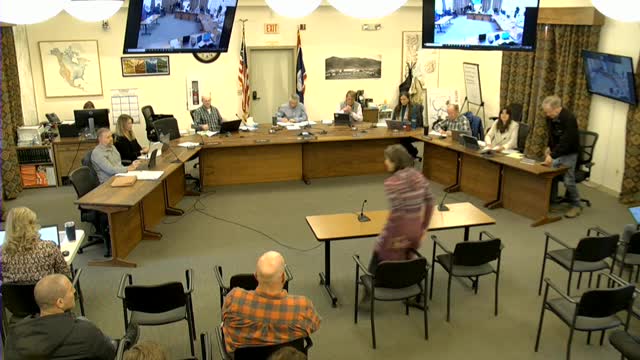
Summary
Coombs Outdoors and Camino Conmigo told the Teton County commissioners and Jackson town council April 28 they plan to merge, expand year‑round programming for children and adults, and asked for funding to sustain recent growth after summer school cuts doubled demand.
Coombs Outdoors and Camino Conmigo asked Teton County and the Town of Jackson April 28 for funding to sustain expanded outdoor recreation programs for children and adults as the two organizations plan to merge.
"We will be a little bit bigger as an organization," said Molly Waters, communications and development manager for Coombs Outdoors, describing plans to bring Camino Conmigo’s adult programs under Coombs’ roof and retain staff to run the combined offerings. Waters said funding would help run programs from kindergarten through adult, including skiing, backpacking, biking and climbing.
The request follows a sharp increase in summer demand after the Teton County School District reduced summer school offerings. "Over the last year . . . we doubled our elementary school summer camp program," Waters told the council and commissioners, saying emergency support from the Community Foundation of Jackson Hole had allowed the organization to maintain services this summer.
Why it matters: Commissioners and councilors framed the request against local government priorities for health, human services and workforce development. Mayor Tamara Jorgensen asked how Coombs’ services align with town and county responsibilities; Waters said the programs offer physical and mental‑health benefits, lower barriers to recreation and can function as an extension of parks and recreation by providing after‑school and summer opportunities.
Camino Conmigo’s lead, Miriam Morillon, said Camino has been fiscally sponsored by Coombs for about a year and that the sponsorship will end when the groups merge within the next year. "We doubled the number of participants . . . and we noticed it's impacting very positively," Morillon said, adding that adult programming aims to bring new community voices into recreation and stewardship.
On finances, Waters said Coombs has been building reserves and recently purchased a building to serve as headquarters; she described reserves as "a few hundred thousand dollars" but did not provide precise figures at the meeting. She said youth program fees run about $50 per week (roughly $150 per summer season package, typically three weeks) and that programming is need‑based with families paying what they can. Waters said Coombs has not yet tapped operating reserves to cushion recent expansion and will continue seeking grants and other fundraising.
Council and commissioner questions focused on sustainability, program overlap and fundraising. Commissioner Gardner noted tight local budgets and asked whether this was the organizations’ first time applying for funds; Waters said Coombs had not applied previously but had seen similar organizations receive local support. Councilor Schechter asked about opportunities and concerns; Waters and Morillon said growth in middle‑ and high‑school programming and the ability to educate adults about responsible recreation are opportunities, while staffing and sustaining program quality amid rapid growth are key challenges.
Ending: Waters and Morillon were invited to provide additional financial details to the town and county before formal funding deliberations. Commissioners and councilors thanked the presenters and noted the request will be considered during the broader budgeting process.