Committee advances updated metal-recycling code with new compliance, inspections and separation rules
Get AI-powered insights, summaries, and transcripts
Sign Up Free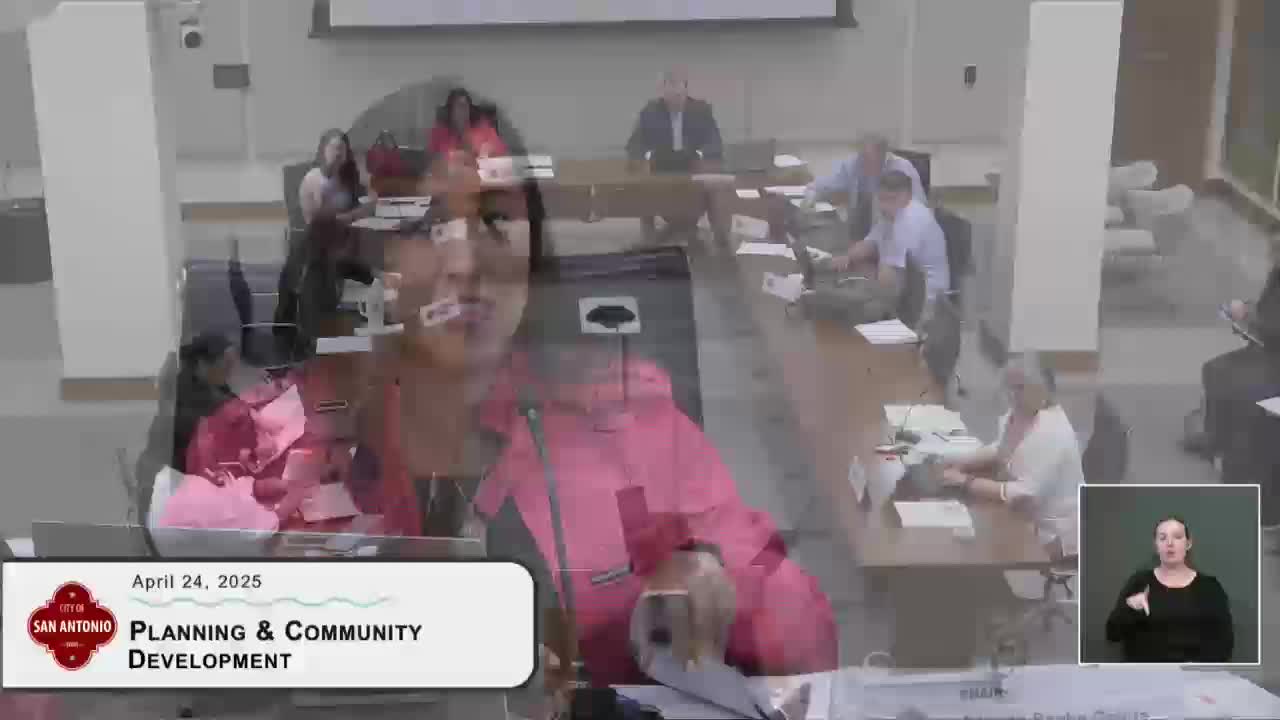
Summary
Staff presented revisions to the city's metal-recycling code package that increase enforcement tools, shorten violation cure periods and add temporary licensing; the committee voted to forward the ordinance to City Council.
Staff summarized proposed amendments to update city code provisions governing metal-recycling and similar operations, including additions to the fire-code chapter and clarifications to Chapter 11 and Chapter 16 enforcement processes. Mike Shannon presented the package and said the workforce group convened industry and community members for 10 meetings beginning in September 2024.
Key changes described by staff include shortening cure periods for violations (for some items to two business days), adding civil fines alongside criminal enforcement, creating a 30-day temporary license to allow administrative fixes, requiring manifest review for hazardous liquids at least quarterly, increasing pest-control inspection frequency from every six months to every three months, lowering allowed vegetation height from 12 to 4 inches in operational areas, and spelling out a 14-foot emergency response corridor for fire access.
The draft also proposes a 1,000-foot separation requirement for new facilities and new limits on expansions for nonconforming uses. Staff recommended referral to Council for adoption, with a note that the city should coordinate with state regulators (TCEQ) on air monitoring and other technical controls.
Public comment and stakeholder concerns
Industry representatives, including managers and family owners of local yards, urged that definitions in the code ("fluff," "residuals," and similar terms) be clarified and standardized so inspectors can apply rules consistently. Several industry speakers described longstanding compliance and community relations and urged the city to avoid overbroad definitions that would unintentionally penalize legitimate operations. Community speakers and some councilmembers emphasized the need for stronger enforcement, air-quality monitoring and quicker responses when violations occur.
Board action and next steps
The committee voted to forward the proposed code changes to the City Council for adoption. Council and staff asked for additional clarifications to definitions used in enforcement and encouraged staff to consult with state regulators on monitoring and disposal of hazardous materials. The committee indicated support for the workforce group's balanced approach but noted outstanding questions on battery recycling and potential fees for emergency response.
Ending
The item will go to full City Council for adoption steps; staff will continue coordination with regulatory agencies and refine definitions and implementation details requested by the committee.