
Committee weighs drive‑through circulation and stacking at Grater’s site in Shriners/Masonic Temple plan; neighbors and staff press for clearer flow and signage
Get AI-powered insights, summaries, and transcripts
Subscribe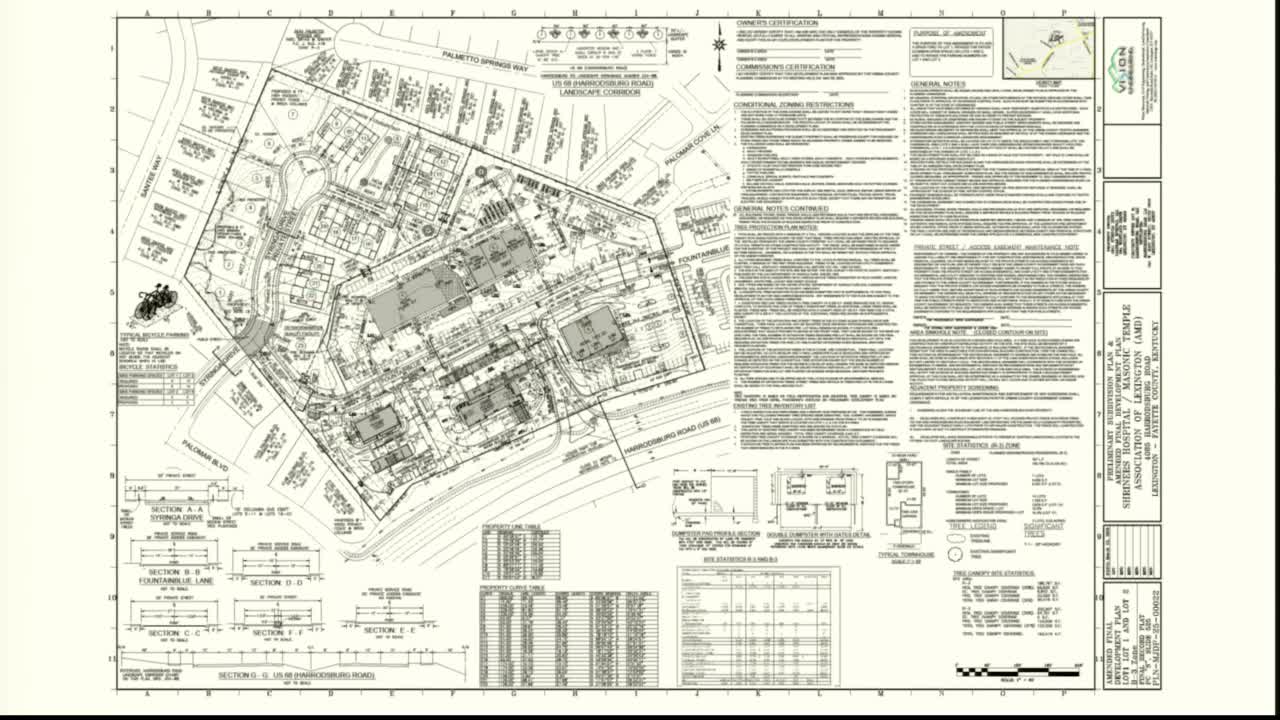
Summary
A revised plan for the Shriners/Masonic Temple site includes a Grater’s ice‑cream drive‑through; staff and committee members expressed concern about dual drive lanes, stacking and conflict points; applicant and operator said employee parking would be located in back and they will coordinate signage and traffic engineering to resolve circulation.
At the Shriners Hospital/Masonic Temple redevelopment site (MJDP 25‑22), committee members and the applicant spent extended time discussing a proposed Grater’s ice‑cream drive‑through and the plan’s on‑site circulation.
Staff described prior concerns about two drive lines and vehicle stacking, noting the site’s existing patio and the potential for conflicts where customers queue to the drive‑through while other patrons circulate to the patio or adjacent businesses. Several committee members and staff sought an interim operational approach including signage or a bypass lane to prevent customers from cutting across queued cars.
Fred Eastridge, representing the applicant, said the rear parking would primarily serve employees and that the operator (Grater’s) has substantial drive‑through experience. He suggested signage such as “no left turn to drive‑through” at critical points and said he would coordinate with traffic engineering to identify an interim solution. The applicant also explained Tupelo Honey, a previously proposed tenant, had withdrawn after storm damage in North Carolina; that change freed space used to balance parking and open space on the revised plan.
A committee member said the application should be left in “discuss” status until applicant and traffic staff can produce a clearer plan for circulation and stacking; another member moved to approve the plan with revised conditions but to change the condition language to specifically discuss drive‑through circulation. The transcript records debate about interim signage, bypass lanes and delivery timing (deliveries to the stores are expected early in the morning). The committee also asked that stacking and circulation be resolved before final action.
Why it matters: drive‑through lanes and stacking arrangements can create safety and queuing problems that spill onto adjacent streets; the committee sought concrete measures (engineering revisions or signage) to prevent operational conflicts.
What’s next: applicant will meet with traffic engineering, provide revised circulation and signage proposals and return for final action. The transcript does not record a final committee vote on the plan.