
School committee backs MASC resolution to end BMI screening in public schools
Get AI-powered insights, summaries, and transcripts
Subscribe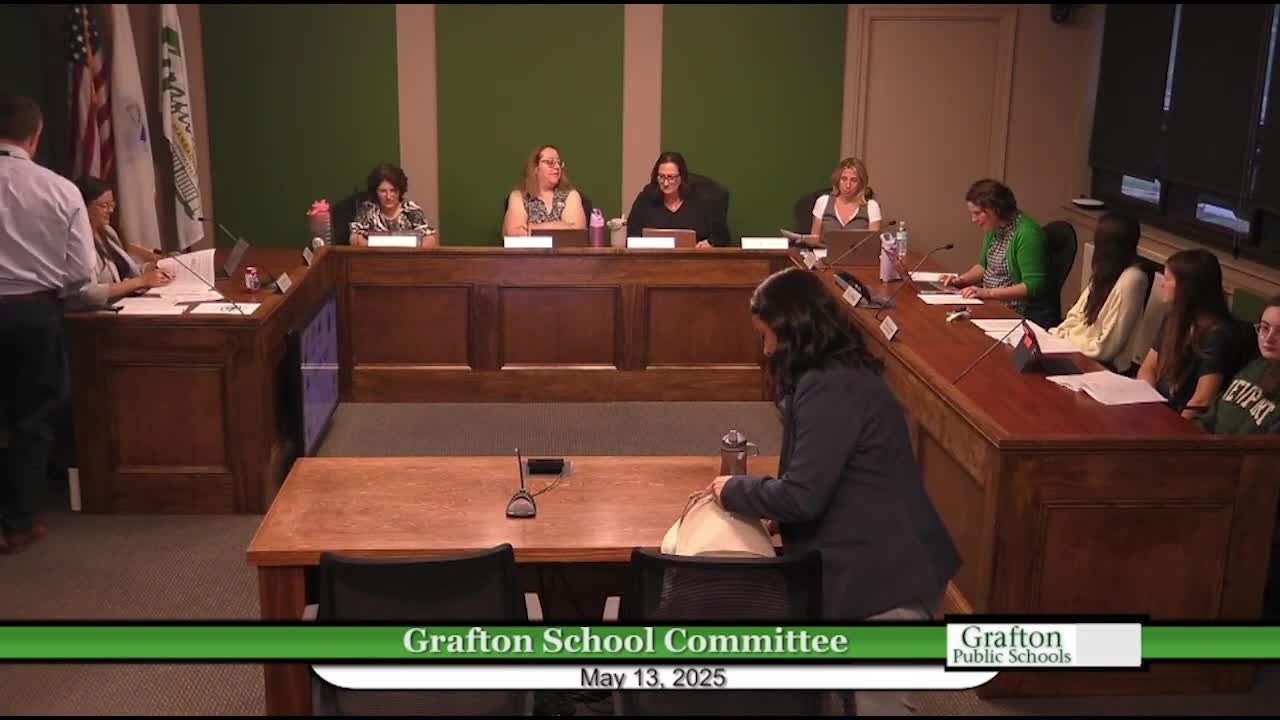
Summary
The Grafton School Committee voted to support a Massachusetts Association of School Committees resolution calling for elimination of mandated BMI screening in public schools, citing limited usefulness and potential harm.
The Grafton School Committee voted to support a Massachusetts Association of School Committees (MASC) resolution urging removal of mandated body mass index (BMI) screening in public schools.
The resolution, drafted by School Committee member Rebecca Soko and submitted for committee consideration, argues that BMI is an insufficient health screening tool for children and adolescents, can be misapplied across sex and racial or ethnic groups, and may increase weight stigma and eating‑disorder risk without producing school‑based interventions that improve health outcomes. The resolution notes state reporting obligations require schools to send aggregated BMI data to the Massachusetts Department of Public Health but that the practice adds staff training and privacy burdens without demonstrable in‑school follow‑up.
Soko told the committee her research showed the original BMI formula was developed using a population of adult men and does not reliably reflect body composition across diverse child and adolescent populations. She and other members cited evidence of rising eating disorder prevalence and research that school‑based screening has not been shown to improve BMI outcomes.
Chair Amy Ainsley explained that a committee vote to support the resolution would allow Grafton’s endorsement to be forwarded to the MASC annual conference as part of a statewide legislative agenda; the resolution would require statutory change at the state level to eliminate the BMI screening mandate.
A motion to support the 2025 MASC resolution to remove BMI screening in public schools was moved and seconded; the committee approved the motion by voice vote with no recorded abstentions or opposing votes.
Committee members emphasized that medical providers already conduct required physicals and that school nurses carry many responsibilities; members framed the resolution as an effort to remove a time‑consuming requirement that offers limited clinical benefit while carrying potential harm to students.
The committee’s vote will allow the district to present the resolution as part of MASC’s fall legislative agenda and to seek co‑sponsors from other districts.