
Youth, art and African food sovereignty take center stage on eve of UN Food Systems Summit in Addis Ababa
Get AI-powered insights, summaries, and transcripts
Subscribe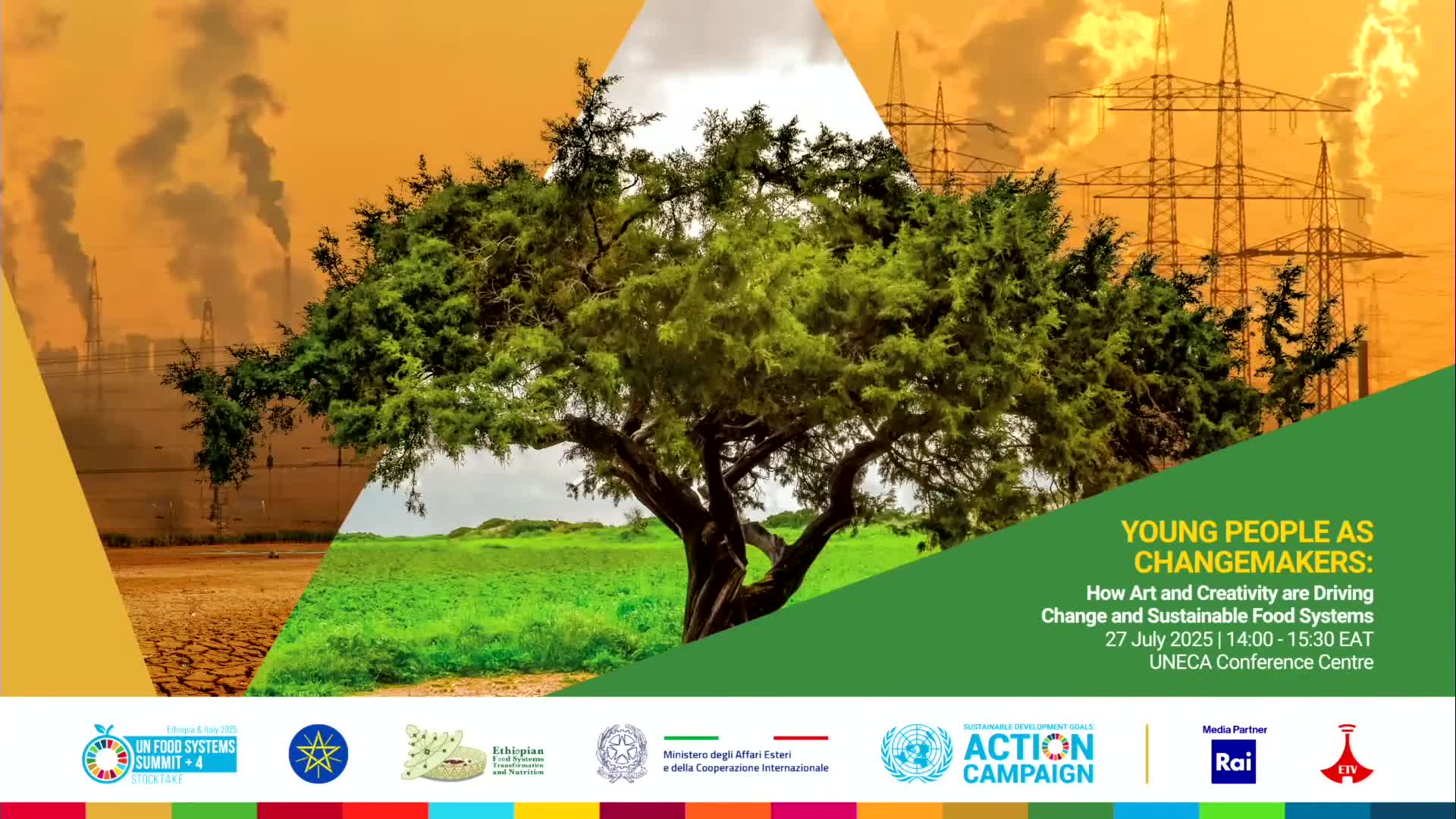
Summary
Speakers at an event organized by the UN SDG Action Campaign urged governments and funders to invest in youth, protect traditional foodways and fix infrastructure gaps such as cold chains and school meals so food systems can be resilient and equitable.
Members of the UN SDG Action Campaign, youth advocates and chefs gathered on the eve of the UN Food Systems Summit in Addis Ababa to press for youth-led change, investments in agricultural and distribution systems, and respect for traditional African foodways.
Marina Ponti, global director of the UN SDG Action Campaign, opened the program and framed the event around youth and art as drivers of food-systems transformation. She said the world produces more food than ever, “yet nearly 3,000,000,000 people cannot afford a healthy diet,” and argued that art can reveal what statistics cannot and help build trust for change.
The panel combined first-person testimony, technical critiques and policy appeals. Sixteen-year-old Eldana Samuel, identified as a child parliamentarian in Addis Ababa, urged leaders to fund and expand school-meal programs and to institutionalize youth representation in food governance, citing Article 12 of the UN Convention on the Rights of the Child as guaranteeing children’s right to be heard. “No child should go to bed without enough nutritious food,” Eldana said.
Speakers from civil-society networks and the private sector emphasized complementary priorities. Dr. Mirion Balad, described in the program as general coordinator of the Alliance for Food Sovereignty in Africa (AFSA), said AFSA — which the speaker said operates in 50 of 55 African countries — had used convenings of chefs, policymakers and grassroots leaders to push a continent-wide agenda that celebrates culinary heritage and demands implementation of existing policies. “Food is not only for nourishment. Food is spiritual. Food is cultural,” Balad said.
Entrepreneur Nzambi Mate, speaking from Nairobi about food loss, attributed major waste to gaps in cold chains and transport and called for Africa-based investment in storage, logistics and small-farmer support. “It is inhumane for someone to throw food whereas another is dying of hunger,” Nzambi said, urging private- and public-sector investment in distribution systems.
Paola Andrade, founder of Survivor’s Say No More and a 2022 UN SDG Action Award recipient, linked social protection and gender-based-violence prevention to food security. As a survivor and advocate, she said changing social norms and supporting survivors are prerequisites for resilient communities. “There won’t be food security unless we change our brains,” Andrade said.
Deputy Secretary-General Amina Mohammed closed the panel discussion with five themes she said emerged from the program: a widening trust gap driven by geopolitics; urgency in scaled action; the potential of youth; the need for intergenerational partnerships; and an implementation gap between good policy and delivery. “When you take a person with hunger, you strip away their dignity,” Mohammed said, urging delegates to build genuine partnerships and to honor local food traditions in nutrition and school-feeding programs.
Ethiopia’s Minister of Women and Social Affairs, Dr. Ergoge Tafai, delivered the formal closing remarks on behalf of the host government. The minister highlighted agriculture’s central role in Ethiopia’s economy and workforce, and urged three actions: create enabling environments for agri-entrepreneurship (land, finance and inputs); invest in agricultural innovation and digital literacy; and elevate youth leadership across food-system governance.
The program included cultural performances and cooking demonstrations intended to show how culinary heritage can be mobilized for food-sovereignty campaigns. Organizers announced a launch the following evening of a youth declaration on food-systems transformation.
The event featured a mix of personal testimony, advocacy and programmatic recommendations but did not produce formal resolutions or binding commitments; speakers repeatedly called for donors, governments and institutions to convert stated intentions into funded implementation plans.