
Department outlines expansion and redesign of teacher mentoring program to improve retention and support
Get AI-powered insights, summaries, and transcripts
Subscribe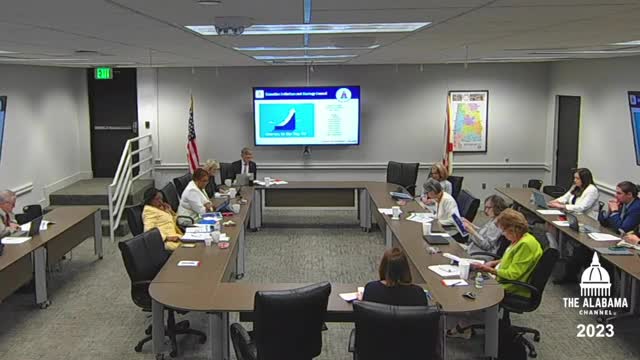
Summary
Department staff described redesign work to expand Alabama’s teacher mentoring program into a two‑year, more accountable model, including use of experienced and retired teachers as mentors and targeted professional development for emergency‑certified teachers.
Department leaders described a multi‑year redesign and expansion of Alabama’s teacher mentoring program aimed at improving new‑teacher retention and professional support.
Staff said feedback from districts and prior mentors showed inconsistent mentor assignments, insufficient compensation and inadequate time for mentors to work with multiple mentees. To respond, the department is redesigning the program to: extend mentoring to two years, incorporate ATOT (teacher observation/growth) practices in mentoring, identify and compensate qualified mentors (including retired master teachers who can serve multiple mentees), and provide a 12‑week, Wednesday‑based training series for emergency‑certified teachers and other new hires to build foundational classroom practices.
Department staff said they will tighten accountability at the LEA level (ensuring districts assign mentors, provide mentor time, and compensate mentors as appropriate) and track mentoring participation and district continuity when LEA mentor coordinators leave. The department is also coordinating the mentoring expansion with other initiatives (alternative certification pathways, educator preparation redesign and recruitment) so supports align across the teacher preparation and induction continuum.
Board members asked for feedback data and early metrics; staff said the redesign is still rolling out and that historical feedback drove the changes (for example, mentors being assigned too many mentees or not being sufficiently trained). Staff committed to collect and report mentor and mentee feedback and retention metrics as the program scales.