
Planning Commission reviews bylaws changes; staff seeks feedback on absences, chair terms and public comment limits
Get AI-powered insights, summaries, and transcripts
Subscribe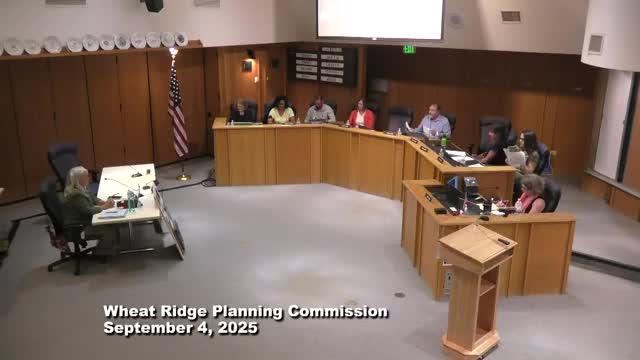
Summary
City staff asked the Planning Commission for feedback on recently adopted boards-and-commissions bylaws and municipal-code changes, focusing on the unexcused-absence rule (two unexcused in 365 days leads to removal), the seven-day notice requirement for excused absences, the chair’s term length and public comment time limits.
City staff presented updates to boards-and-commissions bylaws and asked the Planning Commission Sept. 4 to review several procedural items and return comments by October.
Staff noted the municipal code change adopted about a year and a half ago added limits on unexcused absences, a boards-and-commissions code of ethics and term-limit language. Staff asked commissioners for feedback on whether the current rule — two unexcused absences within 365 days results in automatic removal (absences are excused for illness, emergency, force majeure or when a member provides at least seven days’ notice to the chair and staff liaison) — has been working and whether 7 days is an appropriate notice period.
Commissioners offered varied perspectives. Commissioner Sparks said employment scheduling can make 7 days’ notice impractical and suggested employment-related conflicts be considered an excused reason or that the seven-day rule have flexibility. Commissioner Gravy suggested more flexibility and noted other boards sometimes allow three unexcused absences with a notification letter to council rather than automatic removal. Commissioner Grady suggested extending the notice window modestly to 10 days to provide more grace. Commissioner Disney said she was comfortable with seven days but asked that employment be explicitly included as an excused reason if the window were shortened.
On the chair’s term, staff asked whether the chair should continue to be elected annually or whether a two-year term should be allowed. Commissioners generally supported holding annual elections but allowing a chair to serve a second consecutive year if the commission re-elects them; several commissioners said the practice of yearly elections with the option for a second consecutive term strikes a balance between continuity and rotation.
Commissioners also discussed public-comment timing. Several commissioners suggested specifying a standard allotment (for example three minutes) for public comments in the bylaws for fairness and transparency; commissioners said the chair should still have discretion to extend relevant testimony.
Staff requested any written feedback on bylaws or municipal-code changes be sent to the commission’s staff liaison by October so staff can compile requests for council consideration.