
Wheelchair user urges Bayonne to fix curb cuts and sidewalks; council outlines inspection and ramp program
Get AI-powered insights, summaries, and transcripts
Subscribe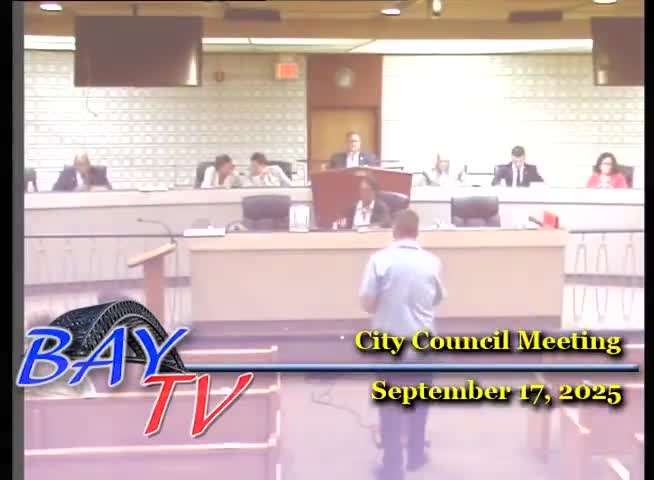
Summary
A 20‑year‑old Bayonne resident testified about dangerous curb ramps and thousands of dollars in wheelchair repairs; councilmembers and the director said the city performs ramp work during paving projects and invited the resident to report specific sites for prioritized inspection.
A 20‑year‑old Bayonne resident and wheelchair user told the City Council on Sept. 17 that steep, abrupt curb cuts and broken sidewalks have repeatedly damaged their wheelchair, imposed more than $7,000 in repairs over six months and restricted mobility.
"My wheelchair is my legs, my independence, my connection to the world, and it is being destroyed by the very infrastructure meant to make the city accessible," Carmelo DeBerry told the council during public comment. DeBerry said abrupt slope transitions have tipped their chair and forced them to ask strangers for help; they also provided receipts showing more than $7,000 in repairs in six months and stated their original chair cost more than $33,000.
Council members and Director Kotter responded that the city has an ongoing program to install and repair handicap ramps when streets are paved and that funding for ramps is included in paving projects. Director Kotter said the city regularly installs ramps when paving streets and that state standards for ramp slope have changed over time; older ramps can fall out of compliance as standards evolve. Kotter told the council the city does "all 4 corners" when paving a street and cited upcoming sidewalk and ramp work on Bridal and other streets.
Council President Booker and other members asked DeBerry to send photos and locations of the worst curb cuts so the city can prioritize inspections and repairs. Council members noted the city spends a substantial portion of paving budgets on handicap ramps; one member said about 30% of a paving job's cost goes to ramps. Booker said the council and Director Kotter would provide contact information so DeBerry could report problem locations directly and the city could inspect and, if appropriate, compel homeowners to correct unsafe private sidewalks.
Why it matters: Unsafe curb ramps and damaged sidewalks create daily hazards for people who use wheelchairs and can generate significant repair costs for individuals. City and state standards (cited in testimony) prescribe maximum slopes and transition requirements for ramps; residents and council members said local repair scheduling and funding make a difference for accessibility and independence.
What the council said it will do: Council members encouraged DeBerry to supply photos and locations; Director Kotter said the city will inspect and evaluate reported sites and prioritize them for inclusion in paving or repair schedules. Council members said they will coordinate with inspectors and, where sidewalks are privately owned and unsafe, will notify property owners to make repairs.
Direct transcript details: DeBerry cited ADA guidance in testimony that running slopes must not exceed 8.33% and side slopes are limited to 2%, and described the human and financial toll of repeated wheelchair damage. City officials confirmed repeated ramp installations tied to paving projects, the shared responsibility between homeowners and the city for sidewalks, and the plan to add ramps on streets scheduled for paving.